

A brutal mob killing in Bangladesh’s Kushtia district has reignited concerns over rising religious extremism, lawlessness, and the state’s failure to protect dissenting voices, as rights advocates warn of a deepening crisis since the country’s political transition in 2024.
According to local authorities, Shamim Reza Jahangir, a Sufi spiritual leader in his 60s, was beaten to death on April 11 after a large crowd stormed his residence in the Philipnagar area of Kushtia.
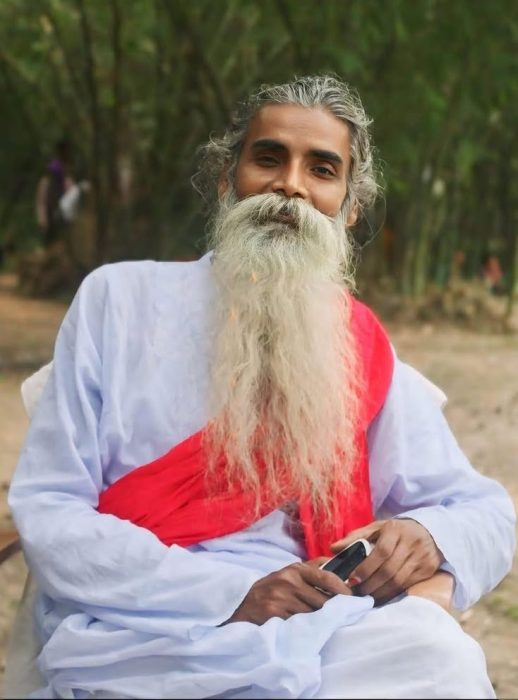
District administrator Touhid bin Hasan told journalists at the scene that “an angry mob of more than 200 people attacked his residence,” despite prior indications that tensions were rising. He said law enforcement had attempted to intervene after an old video resurfaced online a day earlier, allegedly showing Jahangir making controversial remarks about the Quran.
Authorities said Jahangir was rushed to a nearby hospital following the assault but was declared dead shortly afterward.
The killing has been widely condemned as a case of mob justice fueled by religious intolerance. Bangladesh police spokesperson AHM Sahadat Hossain confirmed that an investigation is underway, though no immediate arrests were detailed at the time of reporting.
The incident is not isolated. According to Dhaka-based rights organization Odhikar, at least 153 people were killed in mob violence between August 2024 and September 2025, a period marked by intense political upheaval following the removal of Prime Minister Sheikh Hasina and the installation of an interim administration led by Nobel laureate Dr. Muhammad Yunus.
Rights groups and analysts say the frequency and brutality of such attacks have increased in the absence of firm state control and accountability mechanisms.
Prominent human rights lawyer Advocate Imtiaz Mahmood, writing on his verified Facebook page on April 11, condemned the killing in strong terms, calling it “a shameful act for which words of condemnation fall short.” He warned that the attack was not only a murder but “an assault on freedom of speech, freedom of belief, secularism, and the democratic foundations of the country.”
Mahmood further urged authorities to take immediate action, stating that “the administration must arrest every attacker and bring them to justice,” while also criticizing what he described as a pattern of tolerance toward extremist groups since the political changes of mid-2024.
Senior journalist Pulack Ghatack also condemned the killing, describing it as a “religious murder” carried out solely because of differences in belief. In a post on his verified Facebook profile on April 11, he wrote that Jahangir, a university-educated teacher and Sufi practitioner, had previously faced harassment and imprisonment for expressing his religious views.
“His belief did not match others—and for that, he was killed,” Ghatack wrote, alleging that the attack occurred in the presence of law enforcement, raising serious questions about the effectiveness of state response.
The resurfaced video that triggered the attack was reportedly recorded years earlier, when Jahangir was briefly detained in 2021 for controversial remarks. Observers note that the rapid spread of such content on social media has increasingly been used to incite mob violence, often with deadly consequences.
The killing has also intensified debate over the broader security environment in Bangladesh, particularly for individuals associated with non-mainstream religious interpretations, cultural groups, and dissenting voices.
Since the political transition of August 2024, multiple rights organizations—including Ain O Salish Kendra—have reported widespread violence, including hundreds of deaths in the immediate aftermath of the upheaval. Minority groups and civil society actors have repeatedly alleged that mobs aligned with political and religious factions have operated with relative impunity.
Critics argue that the current administration has failed to establish effective control over such elements, allowing a climate of fear and intolerance to take root. They warn that continued inaction could further erode public trust and embolden extremist actors.
Analysts say the Kushtia killing represents a dangerous convergence of online incitement, religious polarization, and weak law enforcement response—factors that have increasingly defined Bangladesh’s post-2024 political landscape.
For many observers, the case underscores a growing concern: that mob violence is no longer sporadic but is becoming normalized, with devastating consequences for social harmony, religious freedom, and the rule of law.