
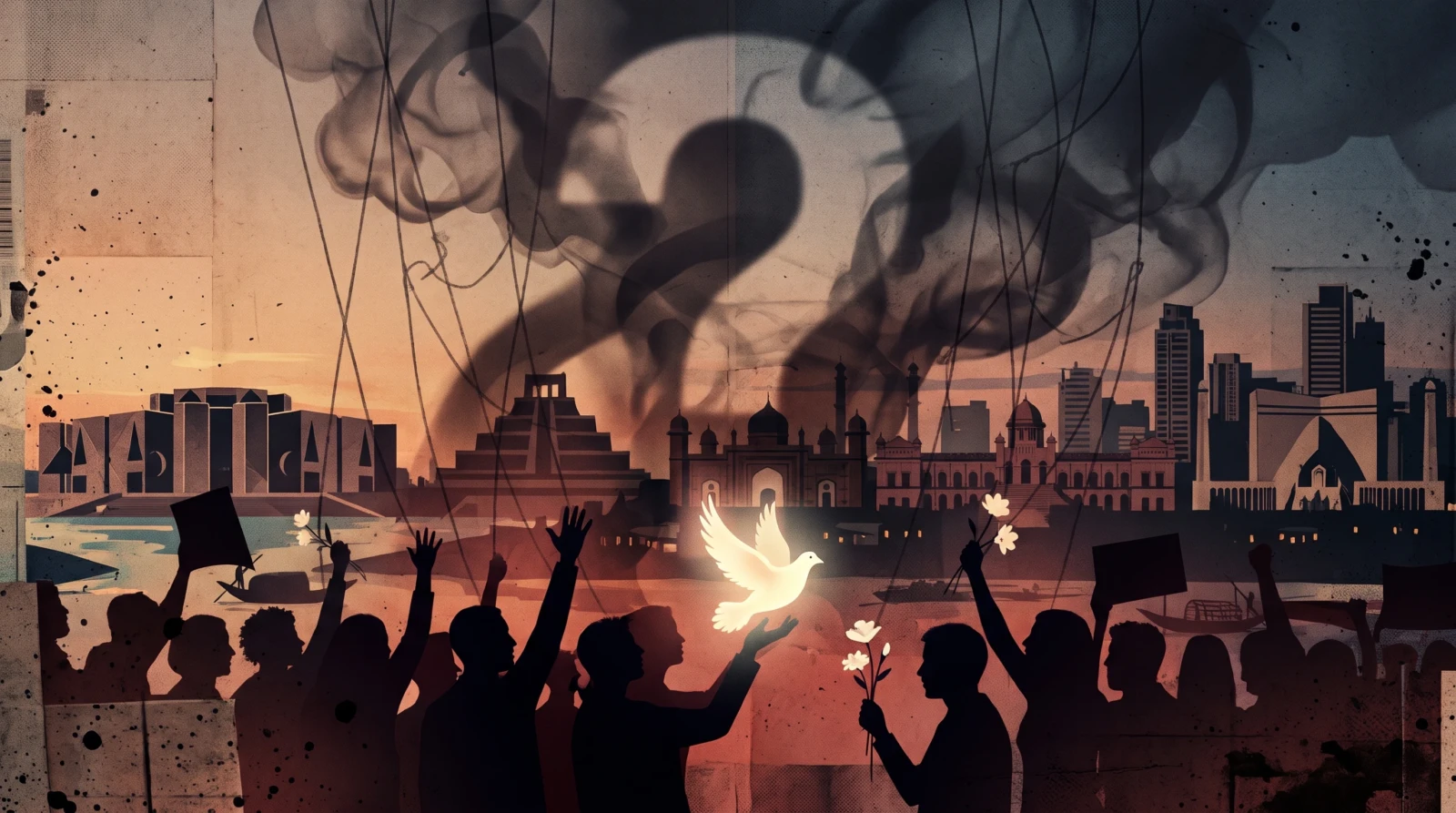
What was the true character of the July 2024 movement in Bangladesh?
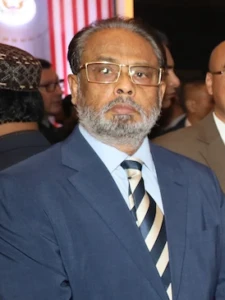
By G.M. Quader, Chairman, Jatiya Party
On the surface, the answer seems straightforward. Ordinary citizens from every walk of life—including many supporters of the Awami League—took to the streets with a simple, lawful goal: to push the government to step down through peaceful, constitutional means, paving the way for a free, fair, and inclusive election and meaningful constitutional reform. A mass movement of this nature is entirely legal. Against unarmed protesters demanding accountability, the use of lethal force can never be justified—which is precisely why the former head of government, her command structure, and her political allies now face charges of murder and crimes against humanity before a special tribunal.
Yet, in the months following the political transition on August 5, 2024, a series of startling public statements and unanswered incidents have cast a shadow over that narrative. Pieced together, they raise a troubling possibility: that behind the shield of a genuine, peaceful citizens’ protest, a third party had carefully orchestrated an armed campaign to overthrow the state.
During the height of the protests, the former Awami League government insisted it was facing not a spontaneous uprising, but an armed conspiracy led by Jamaat-Shibir and militant elements. At the time, I publicly challenged the government to produce evidence to back up these claims, warning that without proof, accusations of militancy looked like a mere pretext to crush dissent. No evidence was ever made public.
However, after power changed hands, the very figures who led or benefited from the transition began telling a different story. Chief Adviser Dr. Muhammad Yunus described the movement not as a spontaneous eruption, but as the product of a “meticulous design”. Around the same time, Jamaat-e-Islami’s Nayeb-e-Ameer, Dr. Syed Abdullah Mohammad Taher, stated publicly that the student coordinators were Jamaat’s own creation—trained, guided, and resourced by the party to bring down the government without the broader public realizing they were part of a planned campaign.
Most strikingly, several movement coordinators themselves have made public admissions that go far beyond peaceful protest. They have spoken of killing police officers, sabotaging state infrastructure—including Setu Bhaban, Bangladesh Television, and Metro Rail stations—and preparing for an all-out armed struggle had the government not fallen when it did.
These admissions demand scrutiny, particularly when viewed alongside unresolved questions regarding weapons and foreign involvement:
Unaccounted Firearms:
Media reports revealed that a former coordinator—later appointed as an adviser to the interim government—was stopped at Dhaka’s international airport when a luggage scan allegedly detected a magazine loaded with AK-47 rounds. Authorities claimed it was ammunition for a licensed pistol, yet the government never answered my public calls to publish the licence number or date of issue. Meanwhile, illegal weapons held by various coordinators and their associates during the upheaval have never been recovered.
Awami League Announces Nationwide Programmes from November 14-19
The Sniper Question:
Shortly after taking office, then-Home Adviser Brigadier General (Retd.) Sakhawat Hossain stated that the fatal bullets recovered from victims—and the precision targeting—did not match Bangladesh Police weaponry, pointing instead to trained snipers using specialized rifles, operated by individuals who did not appear to be Bangladeshi citizens. Days after calling for an investigation, he was removed from the Home Ministry. No inquiry followed.
Who Fired the Fatal Shots?
Police officers on the ground maintained they were fired upon from within the crowds and acted in self-defense, noting their standard issue consisted of pellets and rubber bullets. Protesters themselves reported seeing armed young men firing from inside the demonstrations. We must ask whether innocent students and citizens were killed solely by state forces, or caught in the crossfire of hidden gunmen.
External Influence:
Questions of foreign backing also linger, fueled by U.S. President Donald Trump’s remarks regarding $29 million in U.S. funding aimed at shifting Bangladesh’s political landscape, alongside interviews by commentator Farhad Mazhar detailing direct support and guidance provided to the coordinators by the U.S. Embassy in Dhaka.
Under the law, if an organized, armed conspiracy to overthrow a constitutional government is proven, it constitutes treason—an act the state has a legal duty to suppress. If such a campaign operated behind the cover of peaceful protesters, it complicates the question of criminal liability for the state’s response.
As a concerned citizen, I believe these contradictions cannot simply be swept aside. True justice requires an impartial investigation into all killings—both of unarmed protesters and of law enforcement personnel—before and after August 5. Granting blanket indemnity for post-August 5 killings while ignoring open admissions of armed sabotage undermines the rule of law. Until these questions are answered transparently, the full truth of July 2024 will remain out of reach.
COMMENTS