
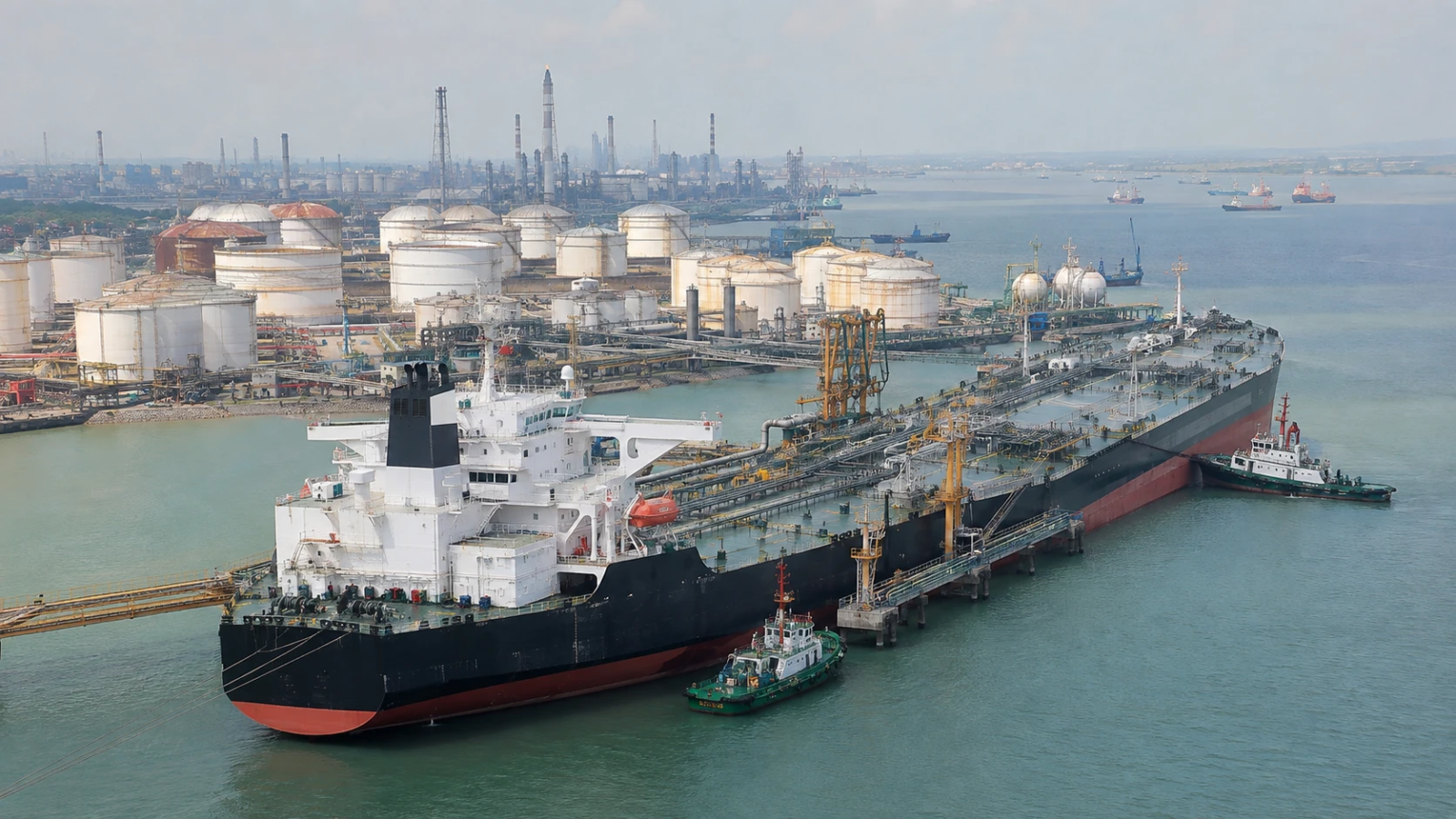
Dhaka, 12 August, The country spent $10.635 billion on crude oil and petroleum, oil and lubricants (POL) imports during the fiscal year that ended on June 30, 2026. The figure was more than double the $5.14 billion spent in the previous fiscal year, representing a 107 percent increase. The Bangladeshi First online news portal www.bdnews24.com has published a news regarding the issue.
At the current exchange rate of Tk 123.80 per US dollar, the fuel import bill amounted to approximately Tk 1.32 trillion.
Bangladesh had previously recorded its highest annual fuel import bill in fiscal year 2020–21, when it spent around $8.98 billion.
That year, global economic activity and industrial production began recovering from the initial shock of the COVID-19 pandemic. The subsequent surge in demand pushed up international prices of crude oil and other fuels, increasing both import volumes and costs.
Global oil prices had plunged during the early stages of the pandemic in 2020 as lockdowns brought economic activity to a standstill. Prices began recovering as economies reopened and, by late 2021, crude oil was trading at around $90 a barrel.
The situation worsened after Russia’s invasion of Ukraine in February 2022, which sent global energy prices sharply higher. Oil prices exceeded $139 a barrel in March that year.
Energy analysts say the combination of higher prices and rising demand was responsible for the surge in Bangladesh’s fuel import costs in both 2020–21 and 2021–22, and similar factors drove the record bill in 2025–26.
Global oil prices came under further pressure after a joint US-Israeli military strike on Iran on February 28 this year. Prices subsequently rose above $120 a barrel at one point before falling below $100.
Earlier, prices had dropped as low as around $65.
As of 10pm Bangladesh time on Monday, August 10, Brent crude was trading at $86.72 a barrel, while US West Texas Intermediate (WTI) crude stood at around $81 a barrel.
According to Bangladesh Bank’s latest import data, the country spent a total of $75.24 billion on merchandise imports during fiscal year 2025–26. Fuel imports accounted for $10.63 billion of that amount.
This means fuel accounted for approximately 14.13 percent of Bangladesh’s total merchandise import expenditure during the fiscal year.
The cost of importing crude petroleum increased by 92 percent to $1.199 billion in 2025–26, compared with $624.5 million in the previous fiscal year.
Meanwhile, spending on POL imports surged by 109.1 percent to $9.436 billion, compared with $4.51 billion in 2024–25.
Energy expert Professor M Tamim told bdnews24.com that the increase in Bangladesh’s fuel import bill was mainly driven by higher global prices and rising domestic demand.
“Fuel prices in the global market are rising again, and there does not appear to be much scope for them to fall,” Tamim said, warning that import costs could increase further in the coming months.
Bangladesh recently experienced fuel shortages that led to long queues at petrol stations across the country.
Tamim said the shortages were largely driven by panic buying, as consumers feared that fuel would become unavailable. Many people bought more fuel than they needed and stored it.
He recommended that the government closely monitor global developments and maintain fuel reserves equivalent to at least one and a half months of national demand to prevent similar shortages in the future.
Toufiqul Islam Khan, a senior research fellow at the Centre for Policy Dialogue (CPD), said Bangladesh’s fuel demand increases every year, while geopolitical tensions and higher international prices had pushed up the import bill.
“After the war began on February 28, the global market became more volatile and prices increased. Combined with rising demand, this resulted in significantly higher fuel import costs last fiscal year,” Khan said.
At the consumer level, diesel is currently sold in Bangladesh at Tk 115 per litre, while octane costs Tk 145, petrol Tk 140 and kerosene Tk 135.
On June 1, the government kept the diesel price unchanged at Tk 115 per litre but increased the prices of octane, petrol and kerosene by Tk 5 per litre each. Those prices remained unchanged in July and August.
The increase in Bangladesh’s fuel import bill was not driven by prices alone. Import volumes also increased, although complete figures for the entire 2025–26 fiscal year have not yet been released.
Data for the first nine months of the fiscal year show that Bangladesh imported 5.74 million tonnes of fuel between July 2025 and March 2026, compared with 5.005 million tonnes during the same period of the previous fiscal year.
Imported fuels included diesel, crude oil, furnace oil, petrol, octane, jet fuel and base oil.
According to estimates by the Bangladesh Petroleum Corporation (BPC), national fuel demand stood at approximately 7.4 million tonnes during fiscal year 2025–26.
Bangladesh imported a total of 6.215 million tonnes of fuel in fiscal year 2024–25. About 24 percent of those imports consisted of crude oil, while the remaining 76 percent was refined petroleum products that could be used directly.
The latest figures indicate that Bangladesh’s dependence on imported energy is placing growing pressure on the country’s import bill, particularly as global oil prices remain vulnerable to geopolitical tensions and rising demand.



COMMENTS