

Washington DC| Dastagir Jahangir
Sajeeb Wazed Joy, son of former Prime Minister Sheikh Hasina and former Information and Communication Technology (ICT) Adviser, has commented on his mother’s planned return to Bangladesh, India’s diplomatic position, and the role of the current government. He shared his remarks in an article titled “The Return of Stateswoman Sheikh Hasina: India’s Principled Stance, Dhaka’s Duplicity,” published on his verified Facebook page, which has 4.7 million followers.
Preparations for Return and Delhi’s Position In his post, Joy noted that more than two years have passed since August 5, 2024, during which Sheikh Hasina has remained outside the country. Reiterating her earlier statement to Reuters in July regarding a December return, Joy claimed that her recent applications for a passport and National Identity Card (NID) at the Bangladesh Mission in New Delhi demonstrate concrete preparations to come home. He stated that the decision to return is entirely her own, drawing a parallel to her return to Bangladesh in 1981.
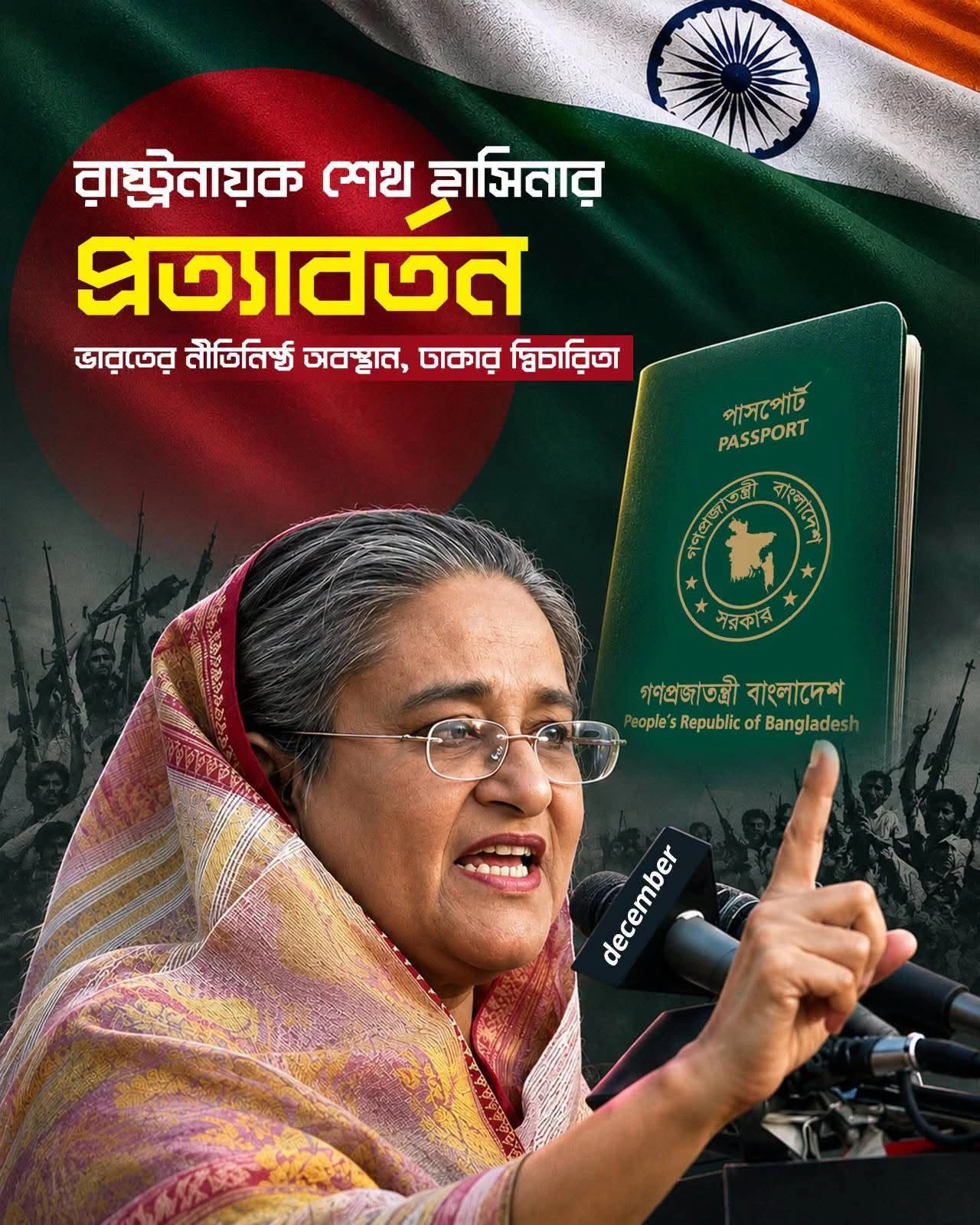
BBC Bangla Report and India’s Two Expectations Citing a November 12 report by BBC Bangla’s Delhi correspondent Subhajyoti Ghosh, Joy wrote that Indian policymakers align with Hasina’s stance on returning home and facing legal proceedings directly. Quoting the BBC report, Joy outlined two primary expectations from New Delhi regarding her return:
-
Safe and Dignified Return: Because Sheikh Hasina traveled to India aboard a Bangladesh military aircraft, New Delhi believes the Bangladesh Armed Forces should take responsibility for bringing her back—either by sending a military plane or receiving her at a land border point.
-
Guarantee of a Fair Trial: Bangladesh must ensure she has the right to appeal against her death sentence and that trials concerning charges related to the July incidents are restarted under the observation of the international community and global media.
Joy referenced Article 36 of the Constitution of Bangladesh alongside Articles 12(4) and 14 of the International Covenant on Civil and Political Rights (ICCPR), arguing that the right to re-enter one’s country and receive a fair trial are already guaranteed under domestic and international law.
Historical Ties and Regional Context Highlighting milestones such as the 1971 Liberation War, post-1975 events, the 1996 Ganges Water Sharing Treaty, the 2014 maritime boundary settlement, and the 2015 Land Boundary Agreement, Joy maintained that India’s relationship with Sheikh Hasina transcends individual administrations and is rooted in mutual respect and sovereignty. He further suggested that New Delhi’s stance is shaped by shared commitments to secularism, regional security, and diplomatic credibility.
Criticism of the Government in Dhaka Criticizing Dhaka’s approach, Joy accused the government of “duplicity.” Referring to statements attributed to Indian Home and Foreign Ministry officials in the BBC Bangla report, he claimed that despite publicly issuing extradition requests and diplomatic notes, Dhaka is internally reluctant to facilitate Sheikh Hasina’s return due to concerns over potential political unrest amid an ongoing energy crisis and garment workers’ protests.
Concluding his post, Joy stated that the responsibility now rests with Dhaka to ensure a safe, dignified return and a fair judicial process.
What Sajeeb Wazed Joy has written
“রাষ্ট্রনায়ক শেখ হাসিনার প্রত্যাবর্তন: ভারতের নীতিনিষ্ঠ অবস্থান, ঢাকার দ্বিচারিতা
—-
চব্বিশের ৫ আগস্টের পর সোয়া দুই বছর কেটে গেছে। এই দীর্ঘ সময় জাতির পিতার কন্যা, পাঁচবারের নির্বাচিত প্রধানমন্ত্রী শেখ হাসিনাকে প্রিয় মাতৃভূমি থেকে দূরে থাকতে হয়েছে। গত জুলাইয়ে তিনি রয়টার্সকে জানিয়েছিলেন, ডিসেম্বরেই দেশে ফিরবেন। আজও তিনি সেই অবস্থানে অটল। দিল্লিতে বাংলাদেশ মিশনে পাসপোর্ট ও জাতীয় পরিচয়পত্রের জন্য তাঁর আবেদন প্রমাণ করে, এটা কথার কথা নয়। মাটি ও মানুষের টানে একজন জননেত্রী ঘরে ফেরার প্রস্তুতি নিচ্ছেন।
এই প্রত্যাবর্তনের সিদ্ধান্ত শেখ হাসিনার নিজের। কারও অনুমতির অপেক্ষায় তিনি কখনো রাজনীতি করেননি। তবে এই কঠিন সময়ে যে দেশ তাঁর পাশে আছে, সেই ভারত বিষয়টি কোন দৃষ্টিতে দেখছে, তা বোঝা জরুরি। কারণ এই প্রশ্নে দিল্লির নীতিনিষ্ঠতা আর ঢাকার দ্বিচারিতা, দুটোই আজ স্পষ্ট।
ইতিহাসের পরীক্ষিত সম্পর্ক
শেখ হাসিনার সঙ্গে ভারতের সম্পর্ক কোনো একক সরকারের বোঝাপড়া নয়। দিল্লিতে কংগ্রেস, জনতা দল বা বিজেপি, যে সরকারই এসেছে, এই সম্পর্কের ধারা বদলায়নি। এর সূচনা একাত্তরে। আর বিজয়ের মাত্র তিন মাসের মাথায় বঙ্গবন্ধুর অনুরোধে ভারতীয় সেনা প্রত্যাহারের মধ্য দিয়ে এর প্রথম শর্তও লেখা হয়ে গিয়েছিল: সার্বভৌমত্বের প্রতি সম্মান।
পঁচাত্তরের ১৫ আগস্টের পর পিতৃমাতৃহীন শেখ হাসিনা ও শেখ রেহানার দেশে ফেরার পথ বন্ধ ছিল। সেই দুঃসময়ে তৎকালীন ভারত সরকার তাঁদের পাশে দাঁড়ায়, দিল্লিতে থাকার ব্যবস্থা করে। প্রায় ছয় বছর পর ১৯৮১ সালে তিনি দেশে ফেরেন নিজের সিদ্ধান্তে, সামরিক শাসকের অনিচ্ছা উপেক্ষা করে। ভারত দুঃসময়ে পাশে দাঁড়িয়েছিল, কিন্তু তাঁর পথ ঠিক করে দেয়নি। আজ ইতিহাস ঠিক সেভাবেই ফিরে এসেছে।
অতিথি রাষ্ট্রনায়কের প্রতি ভারতের নীতিনিষ্ঠ অবস্থান
১২ নভেম্বর বিবিসি বাংলার দিল্লি প্রতিনিধির প্রতিবেদনে নীতিনির্ধারক মহলের বরাতে যে চিত্র উঠে এসেছে, তা স্পষ্ট। শেখ হাসিনার অবস্থান দুটি: তিনি দেশে ফিরবেন, আর ফিরে আইনি লড়াই সরাসরি মোকাবিলা করবেন। তিনি কখনো পালিয়ে থাকার রাজনীতি করেননি। এই দুই প্রশ্নে দিল্লিও তাঁর সঙ্গে একমত।
২০২৪ সালের ডিসেম্বরে অন্তর্বর্তী সরকার কূটনৈতিক নোটের মাধ্যমে তাঁকে ফেরত চেয়েছিল। ভারত আজও সেই অনুরোধে হ্যাঁ বা না কিছুই বলেনি। দিল্লির বক্তব্য, এটি আইনগত বিষয় এবং আইনগতভাবেই মীমাংসা হবে। এর পেছনে আছে কূটনৈতিক নৈতিকতার একটি পুরোনো নীতি: নিজের মাটিতে থাকা অতিথি রাষ্ট্রনায়ককে প্রতিপক্ষের হাতে বন্দি হিসেবে তুলে দেওয়া যায় না। শেখ হাসিনা যেদিন ভারতে গিয়েছিলেন, তিনি দণ্ডিত কেউ ছিলেন না। তিনি ছিলেন একটি সার্বভৌম দেশের সদ্য সাবেক প্রধানমন্ত্রী। তাঁর প্রাপ্য মর্যাদা ও সম্মান ভারত অক্ষুণ্ণ রেখেছে।
বাংলাদেশের পররাষ্ট্র প্রতিমন্ত্রী যখন ‘হাতকড়া পরিয়ে’ বন্দি ফেরানোর নজির টানেন, তখন সেটা আর কূটনীতির ভাষা থাকে না, প্রতিহিংসার ভাষা হয়ে যায়। কোনো দায়িত্বশীল রাষ্ট্র এমন ভাষায় সাড়া দিতে পারে না।
ভারতের প্রত্যাশা: নিরাপদ ও মর্যাদাপূর্ণ প্রত্যাবর্তন এবং ন্যায়বিচারের মানদণ্ড
বিবিসি বাংলার দিল্লি প্রতিনিধি শুভজ্যোতি ঘোষ ১২ নভেম্বরের প্রতিবেদনে জানিয়েছেন, দিল্লির সরকারি কর্মকর্তারা বিবিসিকে আভাস দিয়েছেন: শেখ হাসিনার দেশে ফেরার প্রশ্নে ভারতের প্রধান প্রত্যাশা দুটি।
প্রথমত, বিবিসির প্রতিবেদন অনুযায়ী, শেখ হাসিনা বাংলাদেশ সেনাবাহিনীর সামরিক বিমানে ভারতে এসেছিলেন। তাই তাঁকে ফিরিয়ে নেওয়ার দায়িত্বও বাংলাদেশ সেনাবাহিনীকেই নিতে হবে, ভারত এমনটাই মনে করে। সেটা আকাশপথে সামরিক বিমান পাঠিয়ে হতে পারে, আবার স্থলসীমান্তের কোনো পয়েন্টেও তাঁকে গ্রহণ করা যেতে পারে। এর জন্য প্রয়োজনীয় প্রস্তুতি নিতে দিল্লি তৈরি আছে বলেও প্রতিবেদনে উল্লেখ করা হয়েছে।
দ্বিতীয়ত, বিবিসি জানাচ্ছে, মৃত্যুদণ্ডের বিরুদ্ধে শেখ হাসিনা যাতে আপিলের সুযোগ পান এবং জুলাইয়ের ঘটনায় আনা অভিযোগে তাঁর বিচার যাতে নতুন করে শুরু হয়, বাংলাদেশকে সেই নিশ্চয়তা দিতে হবে। দিল্লির এক কর্মকর্তা বিবিসিকে বলেছেন, “আমরা কখনোই জেনেবুঝে তাকে ফাঁসিতে ঝোলানোর জন্য এগিয়ে দিতে পারি না।” তাঁর কথায়, ভারত চাইবে সেই বিচার হোক আন্তর্জাতিক সম্প্রদায় ও বিশ্ব গণমাধ্যমের নজরদারিতে।
একই প্রতিবেদনে বিবিসি আরও জানিয়েছে, এই প্রত্যাশা যাতে বাংলাদেশের বিচারব্যবস্থায় বিদেশি হস্তক্ষেপ হিসেবে দেখা না হয়, সে ব্যাপারে ভারত অত্যন্ত সতর্ক। তাই প্রকাশ্যে এ নিয়ে কোনো মন্তব্যও করছে না। এটা বাংলাদেশের সার্বভৌমত্বের প্রতি সম্মান।
শর্তগুলোও নতুন কিছু নয়। আমাদের সংবিধানের ৩৬ অনুচ্ছেদ প্রত্যেক নাগরিককে বাংলাদেশে পুনঃপ্রবেশের অধিকার দিয়েছে। নাগরিক ও রাজনৈতিক অধিকারবিষয়ক আন্তর্জাতিক চুক্তির (ICCPR) ১২(৪) অনুচ্ছেদ নিজ দেশে প্রবেশের অধিকার এবং ১৪ অনুচ্ছেদ ন্যায্য বিচারের নিশ্চয়তা দিয়েছে। বাংলাদেশ নিজেই এই চুক্তির রাষ্ট্রপক্ষ। কাজেই ভারত কিছু চাপিয়ে দিচ্ছে না। আমরা নিজেরা যে অঙ্গীকার করেছি, সেটুকুই মনে করিয়ে দিচ্ছে।
কেন ভারত এই অবস্থানে
ভারতের এই অবস্থান কোনো বিশেষ ব্যক্তি বা রাজনৈতিক দলের প্রতি অনুগ্রহ নয়। এটি বিশ্বের অন্যতম বৃহৎ গণতান্ত্রিক রাষ্ট্রের কূটনৈতিক শিষ্টাচার এবং দীর্ঘদিনের বন্ধুপ্রতিম রাষ্ট্রের প্রতি নীতিগত অবস্থান, যার শিকড় ইতিহাস ও আদর্শের গভীরে প্রোথিত।
মুক্তিযুদ্ধের স্বপক্ষের শক্তির সঙ্গে সৌহার্দ্য। একাত্তরে ভারত প্রায় এক কোটি বাঙালি শরণার্থীর পাশে দাঁড়িয়েছিল, আর মিত্রবাহিনীর সৈনিকেরা এই মাটিতে প্রাণ দিয়েছেন। যে দল মুক্তিযুদ্ধের নেতৃত্ব দিয়েছে, তার সঙ্গে ভারতের সম্পর্ক তাই সাময়িক রাজনৈতিক হিসাব নয়। এটা দুই দেশের জন্মলগ্নের ইতিহাস থেকে আসা।
অসাম্প্রদায়িক রাজনীতির অভিন্ন বিশ্বাস। ধর্মনিরপেক্ষতা আমাদের মুক্তিযুদ্ধের চার মূলনীতির একটি, ভারতের সংবিধানেরও মূল ভিত্তি। ৫ আগস্টের পর বাংলাদেশে সংখ্যালঘুদের ওপর হামলা আর উগ্রবাদের বিস্তার প্রতিবেশী দেশ উদ্বেগের সঙ্গে দেখছে। অসাম্প্রদায়িক বাংলাদেশের প্রধান রাজনৈতিক শক্তিকে তারা স্বাভাবিকভাবেই এই অঞ্চলের ভারসাম্যের জন্য অপরিহার্য মনে করে।
আঞ্চলিক নিরাপত্তা। শেখ হাসিনার শাসনামলে বাংলাদেশের মাটি থেকে জঙ্গিবাদ ও বিচ্ছিন্নতাবাদীদের ঘাঁটি কঠোর হাতে উৎখাত করা হয়েছিল। সেটা কাউকে খুশি করার জন্য নয়, বাংলাদেশের নিজের নিরাপত্তার জন্য। সেই নীতির সুফল পেয়েছে গোটা অঞ্চল।
কূটনৈতিক বিশ্বস্ততা ও আন্তর্জাতিক মর্যাদা। বৈশ্বিক ও আঞ্চলিক পরিসরে নিজের অবস্থান সুসংহত রাখা এবং নির্ভরযোগ্য কূটনৈতিক অংশীদার হিসেবে আন্তর্জাতিক মহলের আস্থা ধরে রাখা ভারতের জন্য অত্যন্ত গুরুত্বপূর্ণ। সংকটের মুহূর্তে নীতিগত অঙ্গীকার রক্ষা করাই সেই আস্থা ও বিশ্বস্ততার প্রকৃত পরীক্ষা। তাই এই অবস্থান কেবল বন্ধুত্ব রক্ষার বিষয় নয়, ভারতের কূটনৈতিক মর্যাদা, বিশ্বাসযোগ্যতা ও আন্তর্জাতিক অবস্থান অক্ষুণ্ণ রাখারও প্রশ্ন।
সমমর্যাদা ও পারস্পরিক সম্মানের বন্ধুত্ব
বন্ধুত্ব আর জাতীয় স্বার্থ যে একসঙ্গে রক্ষা করা যায়, শেখ হাসিনার কূটনীতিই তার প্রমাণ। ১৯৯৬ সালে গঙ্গার পানিবণ্টন চুক্তি তাঁর কূটনৈতিক সাফল্যের অন্যতম উদাহরণ। ২০১৫ সালে তাঁর নেতৃত্বেই স্থল সীমান্ত চুক্তি বাস্তবায়িত হয়, আর ছিটমহলবাসী পান নাগরিকত্ব ও রাষ্ট্রের ঠিকানা। ২০১৪ সালে আন্তর্জাতিক সালিশি আদালতের মাধ্যমে ভারতের সঙ্গে সমুদ্রসীমা নির্ধারণ বাংলাদেশের জন্য বিশাল সমুদ্র এলাকার অধিকার নিশ্চিত করেছে। তিস্তার পানির দাবি তিনি কোনো বৈঠকেই ছাড়েননি। দেশের স্বার্থ সমুন্নত রেখে বন্ধুত্বকে এগিয়ে নেওয়া, এটাই শেখ হাসিনার কূটনীতির শক্তি। দুই সার্বভৌম রাষ্ট্রের এই সম্পর্ক দাঁড়িয়ে আছে সমমর্যাদা ও পারস্পরিক সম্মানের ওপর।
ঢাকার দ্বিচারিতা
বিবিসি বাংলার ১২ নভেম্বরের প্রতিবেদনে আরও একটি তাৎপর্যপূর্ণ তথ্য উঠে এসেছে। দিল্লির স্বরাষ্ট্র ও পররাষ্ট্র মন্ত্রণালয়ের একাধিক কর্মকর্তা বিবিসিকে জানিয়েছেন, তাঁদের ধারণা, মুখে যতই ফেরত চাওয়া হোক, ঢাকা আসলে শেখ হাসিনার দেশে ফেরার পথ খুলে দিতে আগ্রহী নয়। প্রতিবেদনে দিল্লির ওই কর্মকর্তাদের বরাতে বলা হয়েছে, জ্বালানি সংকট আর গার্মেন্টস শ্রমিকদের বিক্ষোভে সরকার এমনিতেই চাপে। এর মধ্যে শেখ হাসিনা ফিরলে দেশে রাজনৈতিক অস্থিরতা বাড়তে পারে, এমন আশঙ্কাই এর পেছনে কাজ করছে।
প্রকাশ্যে প্রত্যর্পণের দাবি, কূটনৈতিক চিঠি, হাতকড়ার হুমকি। অথচ শেখ হাসিনা নিজেই যখন দেশে ফিরতে চাইছেন, তখন সরকার ভেতরে ভেতরে তাঁর ফেরা চাইছে না। এটাই দ্বিচারিতা।
শেষ কথা
শেখ হাসিনার প্রত্যাবর্তন একজন রাষ্ট্রনায়কের নিজের সিদ্ধান্ত, আর প্রত্যেক নাগরিকের সাংবিধানিক অধিকার। পঁচাত্তরের পর যেমন, আজও তেমনি ভারত দুঃসময়ে পাশে দাঁড়িয়েছে, কিন্তু তাঁর পথ ঠিক করে দেয়নি। একাত্তরের বন্ধু দেশ নীতির প্রশ্নে অটল থেকেছে: অতিথি রাষ্ট্রনায়ককে বন্দি হিসেবে তুলে দেবে না, আবার বাংলাদেশের বিচারব্যবস্থায় হস্তক্ষেপও করবে না। চেয়েছে শুধু নিরাপদ ও মর্যাদাপূর্ণ প্রত্যাবর্তন আর ন্যায়বিচারের নিশ্চয়তা, যা আমাদের সংবিধান ও আন্তর্জাতিক মানবাধিকার চুক্তিতে বাংলাদেশ নিজেই দিয়ে রেখেছে।
এখন প্রশ্নটা পুরোপুরি ঢাকার কাছে। শেখ হাসিনা প্রস্তুত, ভারতও তাঁর সিদ্ধান্তের প্রতি শ্রদ্ধাশীল। বর্তমান সরকার মুখে ফেরত চায়, অথচ ভেতরে ভেতরে ফেরার পথ আটকে রাখতে চায়। তাদের মুখোশ খুলে যাওয়ার সময় এসেছে।
বঙ্গবন্ধুর কন্যা কখনো ভয়ের কাছে মাথা নত করেননি। পঁচাত্তরের শোক পেরিয়ে যিনি ফিরেছিলেন, তাঁর পথ আটকানোর সাধ্য কোনো অপশক্তির নেই। “
Exact translation
“The Return of Stateswoman Sheikh Hasina: India’s Principled Stance, Dhaka’s Duplicity
More than two years and three months have passed since August 5, 2024. During this long period, the daughter of the Father of the Nation and five-time elected Prime Minister, Sheikh Hasina, has had to stay away from her beloved motherland. Last July, she told Reuters that she would return home in December. Even today, she remains firm in that stance. Her application for a passport and National Identity Card (NID) at the Bangladesh Mission in Delhi proves that these are not empty words. Drawn by the pull of her soil and people, a leader of the masses is preparing to return home.
This decision to return is Sheikh Hasina’s own. She has never practiced politics waiting for anyone’s permission. However, it is important to understand how India—the country standing beside her during this difficult time—views the matter. Because on this question, both Delhi’s adherence to principles and Dhaka’s duplicity are clear today.
A Relationship Tested by History
Sheikh Hasina’s relationship with India is not an understanding with any single government. Whether it has been the Congress, the Janata Dal, or the BJP in Delhi, the trajectory of this relationship has not changed. Its beginning was in 1971. And within just three months of victory, its first condition was written through the withdrawal of Indian troops at Bangabandhu’s request: respect for sovereignty.
After August 15, 1975, the path home was closed for the orphaned Sheikh Hasina and Sheikh Rehana. During that dark time, the then-Indian government stood by them and arranged for their stay in Delhi. Nearly six years later, in 1981, she returned home by her own decision, defying the reluctance of the military ruler. India stood beside her in hard times, yet it did not dictate her path. Today, history has returned in the exact same way.
India’s Principled Stance Toward a Guest Stateswoman
The picture that emerged from policymakers in the November 12 report by BBC Bangla’s Delhi correspondent is clear. Sheikh Hasina’s stance consists of two points: she will return home, and upon returning, she will face the legal battle directly. She has never practiced the politics of running away. Delhi agrees with her on both of these points.
In December 2024, the interim government sought her return through a diplomatic note. India has not said yes or no to that request even today. Delhi’s position is that this is a legal matter and will be resolved legally. Behind this lies an age-old principle of diplomatic ethics: a guest stateswoman on one’s own soil cannot be handed over as a prisoner to political opponents. On the day Sheikh Hasina went to India, she was not a convicted person. She was the immediate former Prime Minister of a sovereign country. India has upheld the dignity and respect due to her.
When Bangladesh’s State Minister for Foreign Affairs cites precedents of bringing back prisoners “in handcuffs,” that is no longer the language of diplomacy—it becomes the language of vengeance. No responsible state can respond to such language.
India’s Expectations: Safe and Dignified Return and Standards of Justice
BBC Bangla’s Delhi correspondent Subir Bhaumik [Note: text says Shubhajyoti Ghosh] reported on November 12 that Indian government officials indicated to the BBC that India has two primary expectations regarding Sheikh Hasina’s return home.
First, according to the BBC report, Sheikh Hasina arrived in India on a Bangladesh Air Force military aircraft. Therefore, India believes that the Bangladesh Army must also take the responsibility of bringing her back. This could be done by sending a military aircraft by air, or she could be received at a point along the land border. The report also mentioned that Delhi is ready to make the necessary preparations for this.
Second, the BBC reports that Bangladesh must guarantee that Sheikh Hasina gets the opportunity to appeal against the death sentence and that her trial on the charges brought over the July incidents begins anew. An Indian official told the BBC, “We can never knowingly hand her over to be sent to the gallows.” According to him, India wants that trial to take place under the observation of the international community and global media.
In the same report, the BBC further stated that India is extremely cautious so that these expectations are not viewed as foreign interference in Bangladesh’s judiciary. Therefore, it is not making any public comments on the matter. This is respect for Bangladesh’s sovereignty.
The conditions are nothing new either. Article 36 of our Constitution grants every citizen the right to re-enter Bangladesh. Article 12(4) of the International Covenant on Civil and Political Rights (ICCPR) guarantees the right to enter one’s own country, and Article 14 guarantees a fair trial. Bangladesh itself is a state party to this covenant. Thus, India is not imposing anything; it is merely reminding us of the commitments we ourselves have made.
Why India Holds This Position
India’s stance is not a favor to any particular individual or political party. It is the diplomatic courtesy of one of the world’s largest democratic nations and a principled position toward a long-standing friendly state, rooted deeply in history and ideology.
-
Solidarity with the pro-Liberation War forces: In 1971, India stood beside nearly ten million Bengali refugees, and soldiers of the Allied Forces laid down their lives on this soil. Its relationship with the party that led the Liberation War is therefore not a temporary political calculation; it stems from the history of the birth of the two nations.
-
Shared belief in secular politics: Secularism is one of the four fundamental principles of our Liberation War, and also a foundational pillar of India’s Constitution. Following August 5, attacks on minorities and the spread of extremism in Bangladesh are being viewed with concern by the neighboring country. They naturally consider the main political force of a secular Bangladesh essential for regional balance.
-
Regional security: During Sheikh Hasina’s tenure, terrorist and separatist bases were firmly uprooted from Bangladesh’s soil. That was not done to please anyone, but for Bangladesh’s own security. The entire region reaped the benefits of that policy.
-
Diplomatic reliability and international prestige: Consolidating its position globally and regionally and maintaining the trust of the international community as a reliable diplomatic partner is vital for India. Upholding principled commitments in moments of crisis is the true test of that trust and reliability. Therefore, this stance is not merely about preserving friendship—it is also a question of maintaining India’s diplomatic prestige, credibility, and international standing.
A Friendship of Equal Dignity and Mutual Respect
Sheikh Hasina’s diplomacy is proof that friendship and national interest can be protected together. The 1996 Ganges Water Sharing Treaty is one of the prime examples of her diplomatic success. In 2015, under her leadership, the Land Boundary Agreement was implemented, giving enclave dwellers citizenship and a state identity. In 2014, maritime boundary demarcation with India through an international arbitration court secured Bangladesh’s rights over a vast maritime area. She never relinquished the claim to Teesta waters in any meeting. Advancing friendship while upholding national interest—this is the strength of Sheikh Hasina’s diplomacy. This relationship between two sovereign states stands on equal dignity and mutual respect.
Dhaka’s Duplicity
Another significant piece of information emerged in BBC Bangla’s November 12 report. Multiple officials from Delhi’s Ministries of Home and External Affairs told the BBC that, in their view, regardless of how loudly Dhaka demands her return publicly, it is not actually interested in opening the path for Sheikh Hasina to return home. Citing those Delhi officials, the report stated that the government is already under pressure from an energy crisis and garment workers’ protests. Behind their reluctance lies the fear that Sheikh Hasina’s return amid this situation could escalate political instability in the country.
Publicly demanding extradition, sending diplomatic letters, and threatening handcuffs—yet when Sheikh Hasina herself wants to return home, the government internally does not want her back. This is duplicity.
Final Words
Sheikh Hasina’s return is a stateswoman’s own decision, and the constitutional right of every citizen. Just as after 1975, India has stood beside her in hard times today as well, without dictating her path. The friend from 1971 has remained steadfast on the question of principle: it will neither hand over a guest stateswoman as a prisoner nor interfere in Bangladesh’s judiciary. It has asked only for a safe and dignified return and a guarantee of justice—rights that Bangladesh itself has pledged in our Constitution and international human rights treaties.
Now, the question rests entirely with Dhaka. Sheikh Hasina is ready, and India respects her decision. The current government demands her return in words, yet secretly seeks to block her path home. The time has come for their mask to fall off.
Bangabandhu’s daughter has never bowed her head to fear. No evil force has the power to block the path of the one who returned after overcoming the grief of 1975.”


COMMENTS