
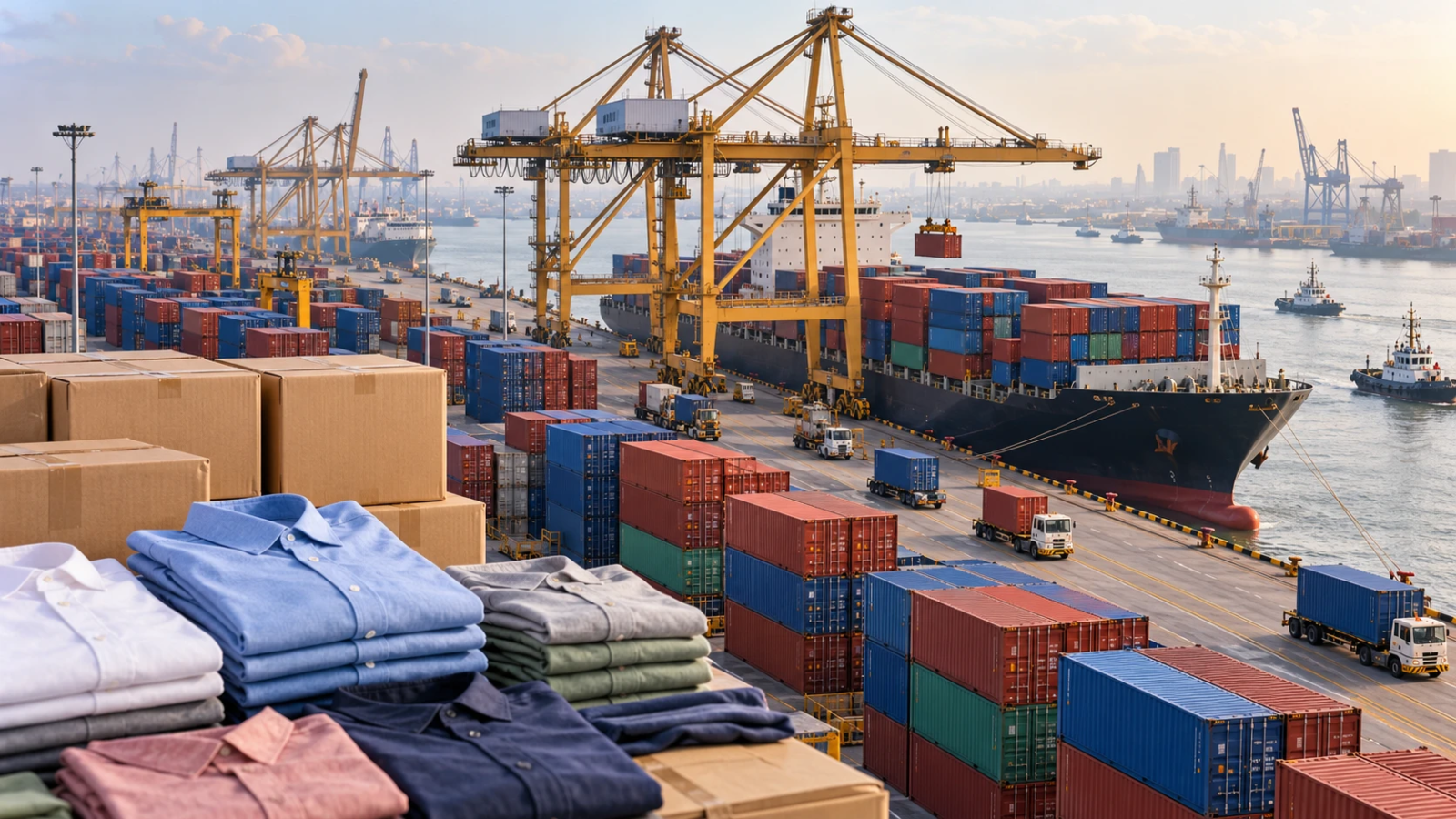
Growing unrest and uncertainty across Europe could put Bangladesh’s export growth under pressure, raising concerns about demand in the European Union (EU), one of the country’s most important export markets.
Any slowdown in European economic activity could affect Bangladesh’s export earnings, particularly in the ready-made garment (RMG) sector, which relies heavily on European buyers. Weaker consumer confidence, reduced spending and pressure on businesses could lead European importers to limit orders, negotiate lower prices or delay purchases.
The potential impact extends beyond export volumes. If European buyers become more cost-conscious, Bangladeshi manufacturers could face greater pressure to offer competitive prices while managing production costs, wages, energy expenses and compliance requirements.
Uncertainty in Europe could also complicate trade planning for Bangladeshi exporters. Changes in demand, disruptions to supply chains and fluctuations in transport or input costs could make it harder for businesses to maintain stable orders and profit margins.
The EU market is particularly significant for Bangladesh as the country prepares for its expected graduation from the United Nations’ least developed country (LDC) category. The transition could bring changes to the trade preferences Bangladesh currently enjoys, increasing the importance of productivity, product diversification and compliance with European market standards.
Maintaining competitiveness will therefore be crucial. Investments in technology, improved production efficiency, stronger labour and environmental standards, and the development of higher-value products could help Bangladeshi exporters navigate a more uncertain international market.
Diversifying export destinations and reducing excessive dependence on a limited number of markets could also help mitigate external risks.
However, the scale of the potential impact will depend on the nature and duration of Europe’s unrest, its effects on consumer demand and business confidence, and the ability of Bangladeshi exporters to adapt.
For Bangladesh, the challenge is to protect export momentum while strengthening competitiveness and resilience against external economic shocks.





COMMENTS