
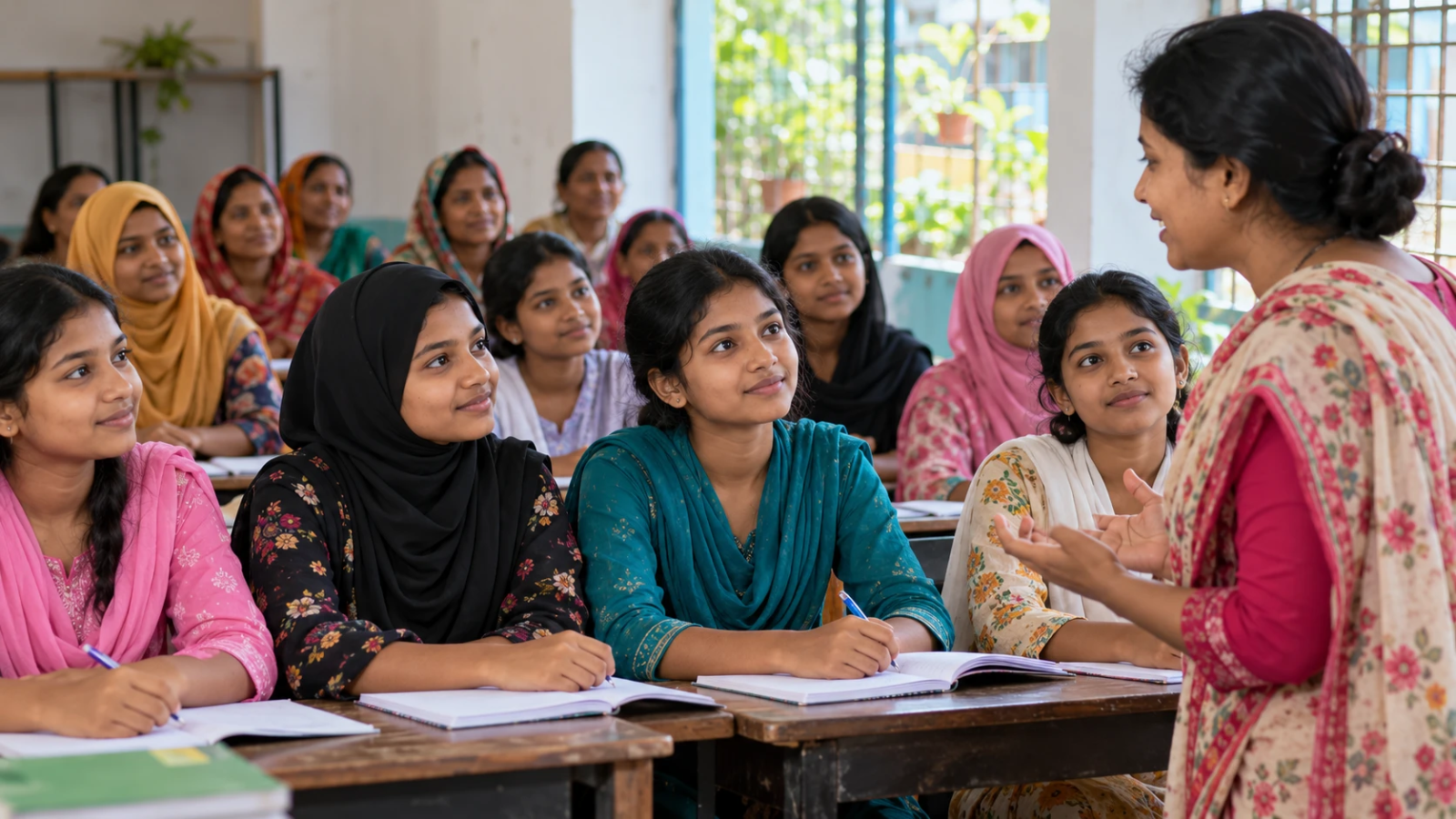
Nearly half of women aged 20–24 in Bangladesh were married before reaching the age of 18, while 13.4 per cent were married before turning 15, according to data from the Bangladesh Multiple Indicator Cluster Survey (MICS) 2025.
The figures were highlighted by the United Nations Children’s Fund (UNICEF) in a statement issued on Tuesday, October 20, following a three-day visit to Bangladesh by its Executive Director, Catherine Russell.
During her visit, Russell called for urgent action on three key priorities: ending child marriage and keeping girls in school, fulfilling the government’s commitment to invest 5 per cent of gross domestic product (GDP) in education and health, and ensuring quality education for children from Rohingya refugee and host communities.
Russell warned that child marriage increases the risk of girls dropping out of school and exposes them to early pregnancy and other serious health complications. These risks can undermine their physical well-being, mental development and future opportunities.
During her visit, she met families in Dhaka’s Korail slum and spoke with Rohingya refugees and members of host communities in Cox’s Bazar.
Highlighting the case of a 14-year-old girl named Bushra, who was saved from child marriage, Russell said a joint effort by UNICEF-run child protection centres and local community leaders had helped prevent the marriage.
She stressed that keeping girls in school and ensuring access to essential healthcare, education and protection would benefit not only individual girls but also Bangladesh’s overall development.
At a meeting with State Minister for Foreign Affairs Shama Obaed Islam, Russell said government priorities were reflected in the national budget. Investing in quality education, healthcare, nutrition and protection for children, she noted, was an investment in Bangladesh’s future.
Addressing the Rohingya crisis, Russell said children displaced by violence had already lost so much and must not be deprived of education as well.
She also urged the international community to increase funding for both Rohingya refugee children and children in the communities hosting them, stressing the need for sustained support to ensure their well-being and access to education.



COMMENTS