
A new resolution introduced in the U.S. Congress is bringing renewed attention to one of the most debated and under-recognized atrocities of the 20th century—the mass violence committed during the Bangladesh Liberation War of 1971.
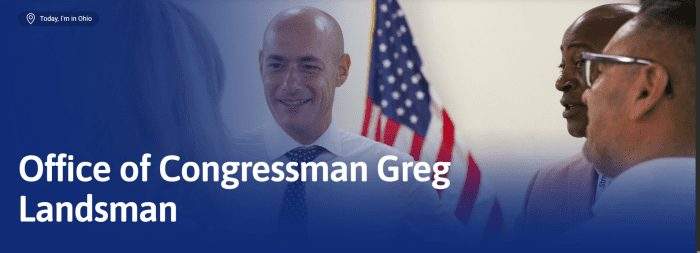
On March 20, 2026, Greg Landsman formally introduced a resolution in the House of Representatives calling on the United States to recognize the events of 1971 as genocide, war crimes, and crimes against humanity. The measure also urges accountability for the Pakistani military and its collaborators, including elements linked to Jamaat-e-Islami.
Recognition and accountability at the center
The resolution underscores what lawmakers and advocates describe as a “systematic campaign of terror” carried out during the Pakistani military’s crackdown known as Operation Searchlight. The campaign began on March 25, 1971, following political tensions after the electoral victory of Sheikh Mujibur Rahman and his Awami League.
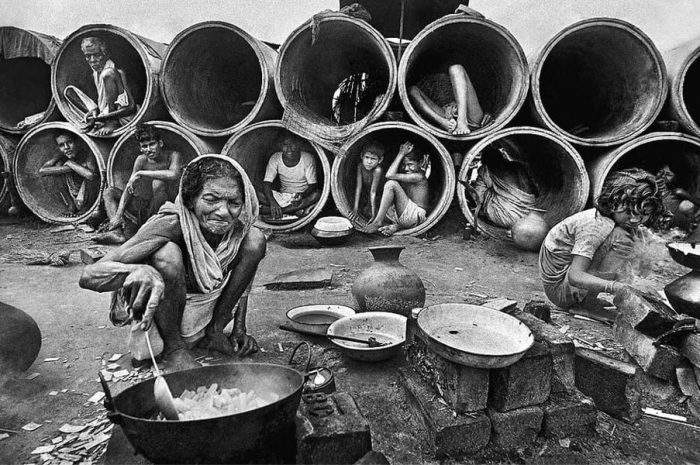
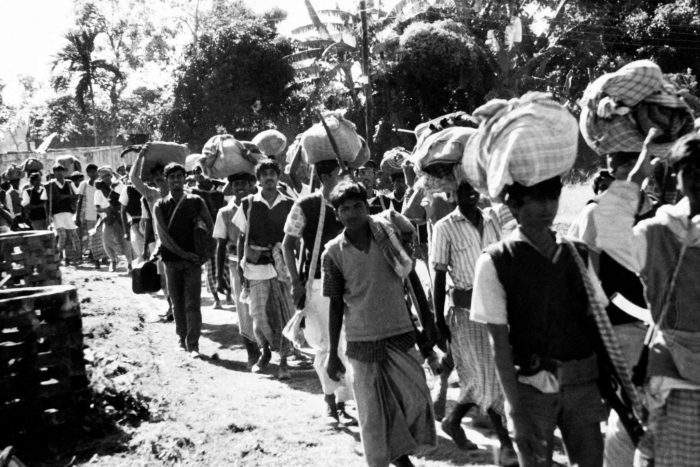
According to historical accounts cited in the resolution, the military operation led to widespread atrocities, including mass killings, sexual violence, forced displacement, and the destruction of civilian infrastructure. Estimates indicate that tens to hundreds of thousands of civilians were killed, more than 200,000 women were subjected to sexual violence, and millions were displaced during the conflict.
“History demands truth,” Landsman said in a statement accompanying the resolution. “The systematic campaign of terror… meets the United Nations definition of genocide.”
He emphasized that official recognition would honor victims and reinforce global commitments to preventing atrocities against vulnerable populations.
Targeting of minorities
A central focus of the resolution is the disproportionate targeting of Hindu communities during the violence. Historical documentation suggests that while Bengalis of all religious backgrounds were affected, Hindus were singled out for persecution, including killings, forced conversions, and displacement.
The resolution highlights that Hindus, who made up a minority of the population at the time, accounted for a significant share of the victims.
Utsav Chakrabarti, Executive Director of HinduACTion, welcomed the initiative, stating that recognition is essential not only for historical justice but also for the protection of minorities today.
“Justice delivered is justice served,” Chakrabarti said, adding that formal acknowledgment could help ensure safety and dignity for vulnerable communities.
Documented evidence and international awareness
The resolution draws on a range of historical sources that documented the atrocities as they unfolded. Among them is the widely cited “Blood Telegram,” sent by U.S. Consul General Archer Blood, in which American diplomats criticized U.S. policy and described the events as a form of “selective genocide.”
Journalist Anthony Mascarenhas reported that Pakistani forces used prepared lists to identify individuals for execution, while U.S. Senator Edward M. Kennedy documented the devastating impact on refugees and minority communities.
Despite such documentation, the United States has not formally recognized the 1971 events as genocide—a gap the new resolution seeks to address.

Historical background
The origins of the crisis trace back to the 1947 partition of British India, which created Pakistan as two geographically separated regions—West Pakistan and East Pakistan—divided by more than 1,000 miles. Political and economic disparities between the two regions fueled tensions over decades.
The situation escalated after the 1970 elections, when the Awami League secured a majority but was denied power by the central government in West Pakistan. The resulting protests and political deadlock led to the military crackdown that triggered the Liberation War and ultimately the creation of Bangladesh.
Contemporary relevance and human rights concerns
The resolution also connects historical recognition with present-day concerns about minority rights and political conditions in Bangladesh.
Since August 2024, Bangladesh has been governed by an army-backed interim administration led by Muhammad Yunus following the removal of former Prime Minister Sheikh Hasina. Rights groups have reported widespread abuses, including killings, attacks on minorities, and restrictions on press freedom.
Organizations such as Ain O Salish Kendra have documented hundreds of deaths during political unrest, while minority advocacy groups report ongoing incidents of violence targeting religious communities.
Supporters of the resolution argue that formal recognition of the 1971 genocide would strengthen international accountability frameworks and help prevent future abuses.
Key provisions of the resolution
The resolution introduced in Congress includes several major components:
- Condemning atrocities committed by the Pakistani military and affiliated groups
- Recognizing the targeted persecution of Bengali Hindus
- Rejecting collective blame against any ethnic or religious group
- Urging the U.S. president to formally recognize the events as genocide
A step toward historical clarity
Advocates say the resolution carries both symbolic and practical significance. By formally acknowledging the events of 1971, the United States could contribute to global awareness, educational efforts, and policy frameworks aimed at preventing mass atrocities.
While the resolution still faces a legislative process before adoption, its introduction marks a renewed push to address one of history’s most contested humanitarian tragedies.