Home Blog

Türkiye Eyes Defense Industry Partnership With Bangladesh

DHAKA, June 5, 2026 — Türkiye has expressed interest in expanding defense-industrial cooperation with Bangladesh, signaling a potentially significant new dimension in bilateral relations as Dhaka seeks to strengthen strategic partnerships amid shifting geopolitical dynamics across South Asia and the Indo-Pacific.

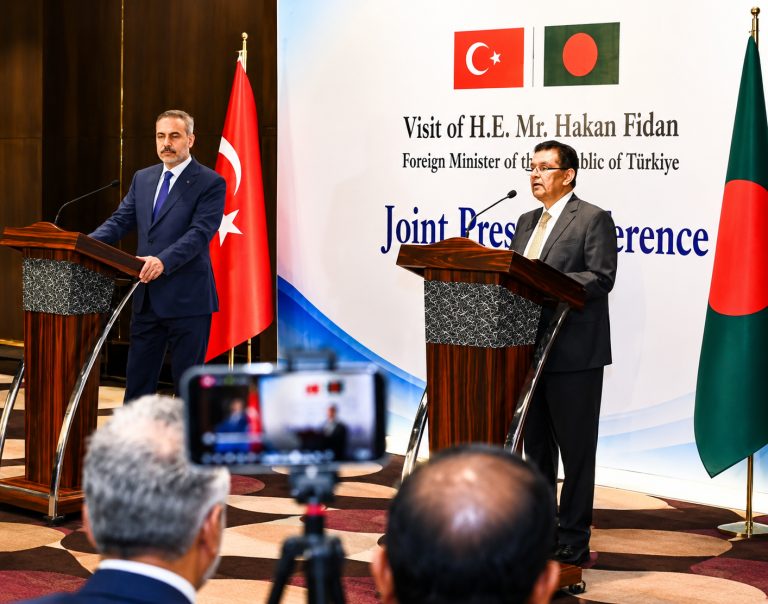
The issue featured prominently during bilateral talks between Bangladesh Foreign Minister Dr. Khalilur Rahman and Turkish Foreign Minister Hakan Fidan at Hotel InterContinental in Dhaka on Friday. The two sides also discussed increasing trade, boosting investment, and elevating relations to what both ministers described as a strategic partnership.

Speaking at a joint press conference after the meeting, Fidan said Türkiye sees substantial opportunities for collaboration in defense manufacturing and related industries.

“We have opportunities to undertake joint initiatives for the development of the defense industries of both countries, and we have already discussed these matters,” Fidan said following the talks.

The discussions come as Türkiye has emerged as one of the world’s fastest-growing defense exporters, supplying drones, armored vehicles, naval platforms, and military electronics to countries across Asia, Africa, and the Middle East. Bangladesh, meanwhile, has been pursuing long-term military modernization and seeking to diversify defense partnerships beyond its traditional suppliers.

However, neither side announced specific procurement plans, investment commitments, technology-transfer arrangements, or joint production projects during Friday’s discussions.

The ministers also discussed raising annual bilateral trade from approximately $1.3 billion to $2 billion and explored the possibility of negotiating a Free Trade Agreement (FTA) and an interim Preferential Trade Agreement (PTA).

Khalilur Rahman said Bangladesh had invited Turkish investors to take advantage of incentives available in the country’s economic zones and proposed the establishment of a dedicated special economic zone for Turkish businesses.

“I have informed the Turkish foreign minister about incentives available to foreign investors in Bangladesh and invited prospective Turkish investors to invest in our private and special economic zones,” he said.

According to the Bangladeshi foreign minister, potential areas of cooperation include textiles, apparel, defense manufacturing, shipbuilding, pharmaceuticals, infrastructure development, renewable energy, information technology, smart technologies, and civil aviation.

Bangladesh has also proposed that Türkiye establish an international-standard hospital and nursing institute in Dhaka, while requesting additional scholarship opportunities for Bangladeshi students. Approximately 3,000 Bangladeshi citizens currently reside in Türkiye, most of them students.

Security Significance

The defense component of the discussions carries broader strategic significance given Bangladesh’s location along the Bay of Bengal, a region that has become increasingly important in Indo-Pacific security calculations.

Over the past decade, Bangladesh has sought to maintain balanced relations with major powers while expanding engagement with emerging middle powers. Türkiye’s growing diplomatic and defense presence in Asia has attracted increasing attention as Ankara seeks to deepen its influence beyond its traditional regional sphere.

Although officials emphasized the prospects for cooperation, details regarding the nature and scope of future defense collaboration remain unclear. Neither government specified whether the discussions involved joint manufacturing facilities, military technology transfers, defense procurement, training programs, or broader security cooperation.

Fidan described Bangladesh as occupying a strategically important position in South Asia and praised the country’s role in addressing the Rohingya refugee crisis.

“Bangladesh has undertaken a historic responsibility by hosting more than one million Rohingya refugees,” he said, reaffirming Türkiye’s support for the safe, voluntary, and dignified repatriation of the displaced population to Myanmar.

The Turkish foreign minister announced plans to visit Rohingya camps in Cox’s Bazar, where he will inspect humanitarian projects operated by Turkish agencies, including TIKA, AFAD, the Turkish Red Crescent, the Diyanet Foundation, and a Turkish-run field hospital serving refugees.

Regional and Global Issues

The ministers also exchanged views on developments in the Middle East and broader international security issues.

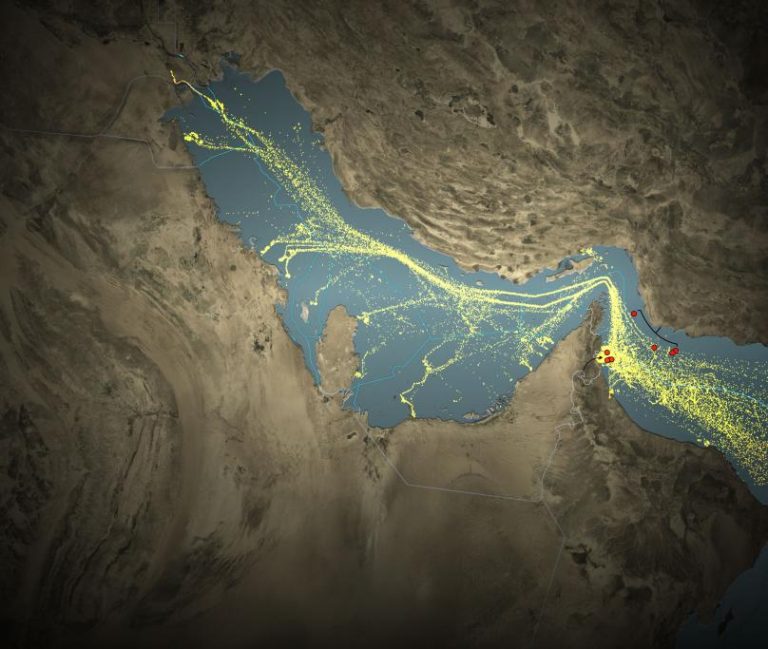
Fidan welcomed progress in dialogue between Iran and the United States and stressed the importance of maintaining freedom of navigation in the Strait of Hormuz, describing it as essential for global economic stability and energy security.

His remarks reflected growing international concerns over maritime security in key shipping corridors connecting the Persian Gulf, the Indian Ocean, and South Asia—routes that remain vital to Bangladesh’s trade and energy supplies.

The Turkish foreign minister also reiterated Ankara’s support for efforts to maintain regional stability and criticized Israel’s actions in Gaza and the occupied West Bank, arguing that ongoing violence was undermining prospects for a two-state solution.

Growing Political Alignment

Fidan’s visit follows Khalilur Rahman’s trip to Türkiye in March, where the Bangladeshi minister participated in the Antalya Diplomacy Forum and held talks aimed at strengthening bilateral ties.

The Turkish foreign minister described that visit, along with his current trip to Dhaka, as evidence of a shared commitment to deepening cooperation.

He also congratulated Bangladesh on Khalilur Rahman’s election as President of the 81st session of the United Nations General Assembly, describing it as a significant diplomatic achievement for the country.

For his part, Khalilur Rahman said the visit came at an important moment in bilateral relations and reflected the two countries’ desire to deepen cooperation across multiple sectors.

“We emphasize that this visit comes at an important moment in Bangladesh-Türkiye relations and demonstrates our shared commitment to deepening cooperation and elevating our bilateral partnership to new heights,” he said.

While Friday’s talks underscored growing political warmth between Dhaka and Ankara, many of the initiatives discussed—including defense cooperation, expanded investment, and a possible free trade agreement—remain at the proposal stage.

The visit nevertheless highlighted Türkiye’s growing interest in South Asia and Bangladesh’s continuing effort to broaden its diplomatic, economic, and strategic partnerships amid an increasingly competitive regional environment.
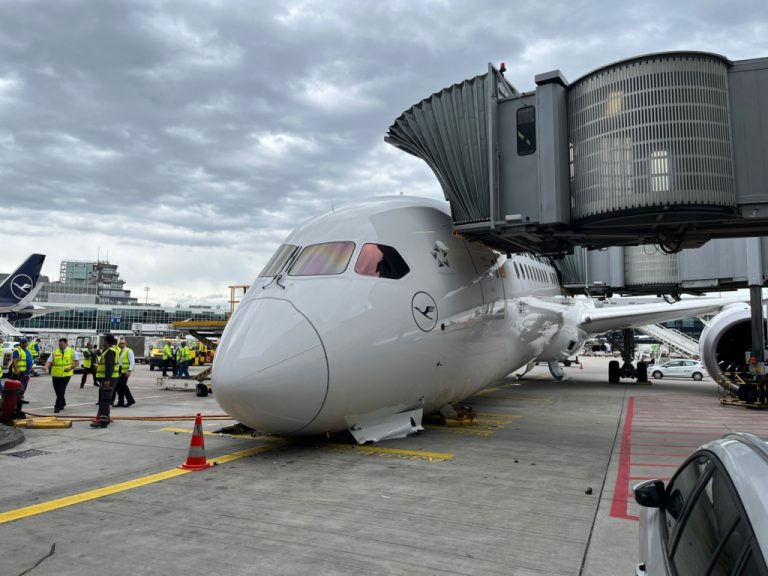

Lufthansa Boeing 787 Suffers Landing Gear Collapse at Frankfurt Airport

FRANKFURT, Germany, June 4, 2026 — A Lufthansa Boeing 787-9 Dreamliner suffered a dramatic landing gear collapse while parked at Frankfurt Airport on Thursday, injuring several ground personnel and prompting an investigation into the incident.

According to Lufthansa, the aircraft’s nose landing gear unexpectedly failed at approximately 12:45 p.m. local time while preparations were underway for Flight LH450 to Los Angeles. No passengers were on board at the time of the accident, although crew members and ground staff were present inside and around the aircraft.

In a statement emailed to media outlets, a Lufthansa spokesperson confirmed that several employees were injured and are currently receiving medical treatment. The airline did not immediately disclose the severity of the injuries.

Witnesses reported seeing multiple emergency response vehicles surrounding the twin-engine long-haul aircraft shortly after the collapse. Photographs from the scene showed the Boeing 787 resting partially on its underside after the nose gear gave way.
Lufthansa said it is working closely with the relevant authorities to determine the exact cause and circumstances of the incident.

The Boeing 787-9 involved is one of the newer additions to Lufthansa’s fleet. The German carrier has been expanding its use of the fuel-efficient Dreamliner as part of a broader strategy to modernize its fleet and retire older, less economical aircraft.
Airport operations were affected in the immediate vicinity of the incident, though authorities have not reported any wider disruption to flight schedules.
An official investigation is underway.

Source: Bloomberg

Zelensky Proposes Face-to-Face Meeting With Putin to End War

KYIV, June 5, 2026 — Ukrainian President Volodymyr Zelensky has publicly appealed to Russian President Vladimir Putin for direct, face-to-face talks aimed at ending the war between the two countries.

In an open letter addressed to Putin, Zelensky argued that waiting for international circumstances to change, particularly for the United States to refocus its attention on the conflict, would be a mistake. He stressed that meaningful peace could only be achieved through direct negotiations between Kyiv and Moscow.
The Ukrainian leader also called for a comprehensive ceasefire to take effect during the proposed negotiations. However, Putin had reportedly dismissed the possibility of a full ceasefire just a day earlier.

Zelensky’s letter included a formal invitation for a personal meeting, suggesting that the talks could be held in a neutral country such as Switzerland or Türkiye. He emphasized that Ukraine remains committed to finding a diplomatic solution to the conflict and ending the bloodshed through dialogue.

The Kremlin confirmed that it had received the letter and said Putin would be briefed on its contents. Nevertheless, the letter’s tone was described as unusually sharp, highlighting recent Ukrainian drone and missile strikes inside Russian territory and criticizing Putin’s lengthy tenure in power.

Ukraine proposes ending this war through direct dialogue between you and me,” Zelensky wrote, adding that both nations have suffered heavily from the prolonged conflict.
Speaking at an economic forum in St. Petersburg, Putin said he remains interested in reaching an agreement with Ukraine but insisted that any settlement would require compromises. He also reiterated Moscow’s long-standing demands, including the withdrawal of Ukrainian forces from the partially occupied regions of Donetsk, Luhansk, Kherson, and Zaporizhzhia, as well as Kyiv’s abandonment of its NATO aspirations.

Ukraine has firmly rejected territorial concessions, arguing that surrendering land would only encourage further Russian aggression.
U.S. President Donald Trump welcomed the prospect of a meeting between the two leaders, describing it as “a very good thing” and expressing hope that both sides would make concessions necessary to achieve peace.

Recent efforts to negotiate a ceasefire have largely stalled, with previous rounds of talks in Geneva, Abu Dhabi, and Istanbul failing to produce a breakthrough. Despite the challenges, Ukrainian Foreign Minister Andrii Sybiha described Zelensky’s open letter as a sincere and meaningful proposal, saying it was time for both sides to choose peace over continued war.
The letter was released as Putin attended a major economic forum in St. Petersburg, underscoring renewed diplomatic efforts amid continued fighting and escalating cross-border attacks.

Bangladesh Ministries Seek Tk 120,000 Crore in Subsidies

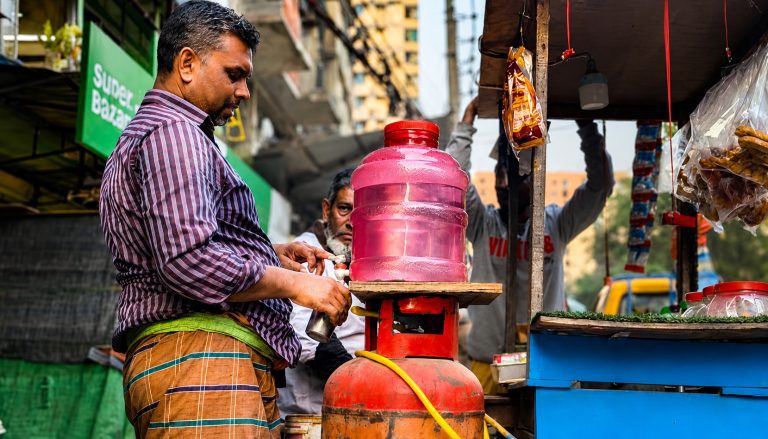
Various ministries of Bangladesh have requested nearly Tk 120,000 crore in subsidies for the 2026–27 fiscal year. While this figure may appear to be just another economic statistic, it reflects the enormous financial burden required to keep electricity, gas, fertilizer, and food prices within reach for ordinary citizens.

The power sector remains the government’s biggest concern. The Power Division alone has sought nearly Tk 60,000 crore in subsidies as the cost of imported gas, coal, and fuel oil continues to rise. To maintain affordable electricity tariffs, the government will have to absorb a significant portion of these increased expenses.

However, a key question remains: How long can the government sustain this burden?

Electricity tariffs have already been increased in recent years, and officials are not ruling out further price adjustments. One possible way to reduce subsidy costs would be to pass a larger share of the expenses on to consumers.

The gas sector is also under severe strain. Petrobangla has requested approximately Tk 27,000 crore in subsidies for just the first six months of the next fiscal year. If the conflict-driven rise in global energy prices continues, the financial pressure could intensify further, keeping uncertainty over gas prices alive.

Agriculture is facing similar challenges. International fertilizer prices have climbed, while transportation costs have also increased. As a result, the Ministry of Agriculture has requested Tk 18,000 crore in subsidies. Without government support, farmers would face higher production costs, which would eventually push up the prices of rice, vegetables, pulses, and other essential food items.

Meanwhile, the Ministry of Food has sought Tk 12,000 crore in subsidies to continue operating programs such as Open Market Sales (OMS), food-friendly initiatives, and other low-cost food distribution schemes. These programs are expected to require additional funding as economic pressures on low-income households increase.

Economists argue that while the current geopolitical crisis is a major factor, Bangladesh also faces long-standing structural problems. Inefficiencies, high operating costs, waste, and weak management in the power sector have contributed to a growing subsidy burden for years. International crises merely expose and intensify these vulnerabilities.

Perhaps the most critical question is where the government will find the money.

If revenue collection fails to increase significantly, authorities may have to rely more heavily on borrowing. Higher borrowing could increase inflationary pressures, crowd out private-sector investment, and place additional strain on the broader economy.

In other words, while the flames of conflict may be burning in the Middle East, their heat is increasingly being felt by ordinary Bangladeshis.

The government’s biggest challenge in the upcoming budget will be balancing two competing priorities: keeping electricity, gas, fertilizer, and food affordable for the public while managing an ever-growing subsidy bill.

If the conflict subsides quickly, some relief may follow. But if it drags on, both the government and the people of Bangladesh could face a much more difficult economic road ahead.

France Coach Urges Caution With Key Players Ahead of World Cup

PARIS, June 4, 2026 — France head coach Didier Deschamps has moved to ease concerns over the fitness of key players ahead of the FIFA World Cup, confirming that defender William Saliba is available despite recent reports linking him with a back injury.

Saliba joined France’s training camp outside Paris on Tuesday after featuring for Arsenal in the UEFA Champions League final last weekend. Speculation over his fitness had raised doubts about his participation in the World Cup, but Deschamps dismissed those concerns.
“William is doing well and will be used according to plan. If there is a need for him to play tomorrow, he will play,” Deschamps told reporters ahead of France’s World Cup warm-up match against Ivory Coast on Thursday.

The French coach indicated that Saliba’s minutes could be managed carefully as a precaution during the friendly. France will also face Northern Ireland in another preparatory match on Monday.

Deschamps, who is set to step down as France coach after the World Cup, said he plans to rotate his squad during the warm-up fixtures. Particular attention will be given to players who recently competed in the Champions League, including several members of the Paris Saint-Germain squad.
The coach noted that the physical condition of players such as Ousmane Dembélé and Désiré Doué will be closely monitored following their demanding club campaigns.
“We have six players who featured in the Champions League, especially those who started the match. We need to manage them carefully because an important schedule lies ahead,” Deschamps said.

Meanwhile, Deschamps expressed confidence in France captain Kylian Mbappé despite the forward enduring an inconsistent season with Real Madrid.
According to the France coach, Mbappé remains in excellent physical and mental condition and has fully committed himself since joining the national team camp.
“What happens at the club stays at the club. This is the national team. He has given his maximum effort with the group and during the first training sessions,” Deschamps said.
Highlighting the striker’s experience on football’s biggest stage, Deschamps added that the upcoming tournament will be Mbappé’s third World Cup appearance.

He possesses experience that many others do not. He knows very well how demanding a World Cup can be,” the coach said.
France are among the favorites for the 2026 FIFA World Cup and are using the remaining preparation matches to fine-tune their squad while ensuring key players remain fit for the tournament.

Scientists Issue New Warning Over Potential ‘Super El Niño’ Event

LONDON, June 4, 2026 — Scientists have issued a fresh warning about the possible arrival of a “Super El Niño,” saying there is a 90 percent likelihood that the powerful climate phenomenon will develop in the coming months and intensify extreme weather conditions worldwide.

According to reports citing climate experts, the event could trigger severe heatwaves in many countries, while others may experience unusually heavy rainfall and flooding. Scientists believe the impacts could persist through November.

The warning comes as the world continues to face record-breaking temperatures and increasingly frequent natural disasters linked to climate change. Experts caution that the emergence of a Super El Niño could further worsen these conditions.
United Nations Secretary-General Antonio Guterres stressed the seriousness of the threat, saying that scientific evidence points to a high probability of El Niño developing in the near future.

The science is clear. There is a 90 percent chance that El Niño will arrive in the coming months. The world must treat this as an urgent weather warning,” Guterres said.
He warned that El Niño would add further pressure to an already warming planet, amplifying climate-related disasters across borders with increasingly destructive force.
Guterres also emphasized the need for stronger climate action, including reducing dependence on fossil fuels, expanding renewable energy use, protecting vulnerable communities, and ensuring universal access to early warning systems.

Scientists have begun raising concerns about the potential humanitarian and economic consequences of the phenomenon. They warn that El Niño could disrupt global food production, contribute to rising food prices, and increase the risk of severe droughts and devastating floods in different regions of the world.
Climate experts also suggest that 2026 could set a new global temperature record if the expected El Niño event reaches full strength.

The Awami League’s Return Is No Longer a Question of If, but When

Few issues have dominated Bangladesh’s political discourse in recent months as intensely as the prospect of former Prime Minister Sheikh Hasina returning to the country and the Awami League re-emerging as a major force in national politics. From television talk shows and political forums to social media platforms and diaspora communities abroad, the issue has become one of the most widely debated topics in contemporary Bangladesh.

The significance of this discussion stems from the unique position the Awami League occupies in the country’s history. More than just a political party, the Awami League is deeply intertwined with the birth of Bangladesh, the Liberation War, and the political evolution of the Bengali nation. As the country’s oldest and most influential political organization, it has played a central role in shaping modern Bangladesh.

Yet for nearly two years, the party has remained effectively banned from political activity. Following the political upheaval of August 5, 2024, the interim administration led by Dr. Muhammad Yunus prohibited the activities of the Awami League and all of its affiliated organizations. That restriction was later transformed into permanent legislation after the BNP-led government won the February 2026 parliamentary election and Parliament passed the Anti-Terrorism (Amendment) Bill, 2026.

Despite these legal measures, discussions about the Awami League’s eventual return have never disappeared. Instead, they have steadily intensified, particularly following a widely publicized interview given by Sheikh Hasina in May.

In that interview, Sheikh Hasina expressed confidence that she would soon return to Bangladesh and would do so “with her head held high.” She spoke about the future of the Awami League, Bangladesh’s political trajectory, and regional relations. Recalling the numerous assassination attempts she has survived throughout her political career, she argued that efforts to suppress the Awami League had repeatedly failed in the past and would fail again.

According to her, the party remains deeply rooted in Bangladeshi society and continues to enjoy widespread support despite the restrictions imposed upon it. She maintained that millions of supporters, leaders, and activists remain politically active and committed to opposing the current government.

Her remarks energized Awami League supporters both inside Bangladesh and throughout the diaspora. Since then, reports have emerged of flash processions and political gatherings taking place across the country despite official restrictions. Many activists who left their local communities—or even the country itself—following the events of August 2024 are reportedly preparing to return and resume political activity.

What has made the discussion particularly noteworthy is that support for the Awami League’s return is no longer coming exclusively from within the party itself.

Touhid Hossain, who served as Foreign Affairs Adviser in the interim government that imposed the original ban, recently stated that he does not believe the Awami League has been permanently removed from Bangladesh’s political landscape.

“I believe the Awami League will return to politics and I expect it to participate in the next election,” he remarked in a television interview.

Such comments reflect an emerging reality that many political observers are increasingly acknowledging: a party with nearly eight decades of history, a nationwide organizational structure, and a substantial support base cannot simply be erased from political life through legislation.

Former diplomat and political analyst Dr. Khalilur Rahman has argued that one of the most significant political developments of recent months is the growing number of individuals now advocating the return of the Awami League to mainstream politics.

According to Rahman, many people who were previously associated with the political environment that emerged after August 2024 are now openly supporting inclusive politics and the removal of restrictions on the Awami League’s activities.

Even more noteworthy, he argues, is the shift among intellectuals, academics, and members of civil society. Many who were once among the strongest critics of the previous government have increasingly concluded that Bangladesh’s political future cannot be built upon the exclusion of one of the country’s principal political forces.

Rahman believes that these changes reflect a broader reassessment taking place across society.

Based on developments since August 2024, he argues that large segments of the population—particularly farmers, laborers, garment workers, rickshaw pullers, and other low-income groups—have begun to re-evaluate the role of the Awami League in their lives.

For many ordinary citizens, politics is ultimately judged by practical outcomes rather than ideological debates. Employment opportunities, economic stability, food prices, social protection, and personal security often matter more than political slogans.

Sajjad Hossain Sabuj

Rahman contends that many people increasingly associate the Awami League era with greater economic stability and social security than they currently experience. As a result, support for the party is no longer confined to traditional Awami League voters. It is increasingly visible among groups that historically maintained little direct attachment to the organization.

He also observes a similar shift among sections of Bangladesh’s educated and professional classes.

For years, many academics and intellectuals were among the most vocal critics of successive Awami League governments. Today, however, some of these same individuals have begun arguing that political stability and democratic legitimacy require an inclusive political environment in which all major political forces can participate.

According to Rahman, many have concluded that permanently excluding millions of citizens who identify with a major political tradition is neither sustainable nor compatible with democratic principles.

He further notes that even some individuals associated with the former interim administration appear to be distancing themselves from policies that critics characterized as unstable, disorderly, and excessively dependent on mob-driven political pressure.

Many who once defended the exclusion of the Awami League now appear to recognize that such a strategy may ultimately prove politically unworkable.

As a result, Rahman reaches a conclusion that would have been controversial only a short time ago: the Awami League may now enjoy broader acceptance among non-Awami League voters than at any previous point in recent memory, particularly among working-class and economically vulnerable communities.

Nevertheless, he also issues a warning.

The Awami League’s future success, he argues, will depend not only on its return to politics but also on its ability to avoid past mistakes. Allegations have long circulated that opportunists and anti-Awami League elements infiltrated various levels of the party’s structure. Rahman believes the party’s leadership, grassroots activists, and genuine supporters must remain vigilant to ensure that such individuals do not once again damage the organization’s reputation.

For him, the broad support currently being shown by ordinary citizens is far more valuable than the influence of any factional or opportunistic group operating within the party.

Former Member of Parliament and political analyst Golam Maula Rony offers an even more dramatic assessment of the Awami League’s prospects.

According to Rony, when the Awami League returns, it will not return gradually. It will return with the force of a tsunami.

He argues that public trust and confidence in the party are steadily re-emerging. In his view, the Awami League is not merely a political organization but a powerful emotional force shaped by decades of sacrifice, struggle, and bloodshed.

The party’s supporters, he argues, identify with it on a deeply personal level. When the party suffers, they suffer as well.

Rony also believes that Sheikh Hasina’s political stature has actually increased since leaving power. Rather than diminishing her influence, exile and adversity have strengthened her image among supporters.

He has gone so far as to suggest that even if Sheikh Hasina were imprisoned upon returning to Bangladesh, such a development could become a powerful political rallying point, attracting thousands of supporters and creating significant challenges for the authorities.

Distinguished economist Professor Rehman Sobhan has likewise expressed concern regarding efforts to permanently exclude the Awami League from politics.

His argument is rooted in political reality. Bangladesh’s political system has historically revolved around two major political forces, and the Awami League represents one of those pillars.

A political organization with nearly eighty years of history and a substantial voter base, he argues, cannot simply disappear because a law says it should.

Political loyalties, historical identities, and social networks cannot be legislated out of existence.

For that reason, Sobhan believes that Bangladesh’s political future ultimately requires a resolution that acknowledges the Awami League’s place within the country’s democratic framework.

He has also suggested that forces opposed to the ideals of the Liberation War played an important role in shaping the political environment that emerged after August 2024. In his assessment, hostility toward Sheikh Hasina and the Awami League often extended to hostility toward Bangabandhu Sheikh Mujibur Rahman and the historical legacy of Bangladesh’s struggle for independence.

Sobhan further argues that Sheikh Hasina’s determination to defend the legacy of Bangabandhu must be understood within its historical context. Following the events of 1975, successive governments attempted to marginalize Bangabandhu and diminish the role of the Awami League within the national narrative. Sheikh Hasina’s political approach, he contends, developed partly as a reaction to those efforts.

The history of the Awami League itself provides important context for understanding its enduring influence.

Founded on June 23, 1949, at the historic Rose Garden in Old Dhaka, the Awami League emerged as a movement dedicated to political rights, democratic participation, and Bengali aspirations. Sheikh Mujibur Rahman, then imprisoned, was elected Joint General Secretary of the newly established organization.

Over the following decades, the party became the principal vehicle for Bengali nationalism and eventually led the movement that resulted in the creation of independent Bangladesh in 1971.

The party has survived military rule, imprisonment, repression, assassination, and political exclusion.

Its greatest challenge came after the assassination of Bangabandhu Sheikh Mujibur Rahman and most of his family in 1975, followed by the killing of the four national leaders. At the time, many believed the party would never recover.

History proved otherwise.

Under Sheikh Hasina’s leadership, the Awami League rebuilt itself, became a leading force in the struggle against military rule, and eventually returned to power through electoral victory in 1996.

After its landslide victory in 2008, the party governed Bangladesh until August 2024. Supporters point to significant achievements during that period, including economic growth, infrastructure development, poverty reduction, and enhanced international standing.

Today, the author argues, efforts to exclude the Awami League from politics represent the latest chapter in a long history of attempts to marginalize the party.

Yet history suggests such efforts are unlikely to succeed.

The Awami League’s roots extend into virtually every district, town, village, and neighborhood of Bangladesh. Built by leaders such as Huseyn Shaheed Suhrawardy, Maulana Bhashani, Bangabandhu Sheikh Mujibur Rahman, Shamsul Haque, and Tajuddin Ahmad, the organization remains deeply embedded within the country’s political culture.

For the author, the conclusion is clear.

The Bengali nation, the Bangla language, Bangladesh’s independence, and the Awami League are inseparably linked. The party represents not merely a political organization but a historical tradition shaped by sacrifice, struggle, and nation-building.

Many have attempted to destroy the Awami League. None have succeeded.

For that reason, the author believes that Bangladesh’s long-term stability and democratic development require political inclusion rather than exclusion. The restrictions imposed on the Awami League should be lifted, and the party should be allowed to participate freely in the democratic process.

Ultimately, the future of Bangladesh should be decided by its people. In that democratic contest, the author remains convinced that the Awami League will once again emerge as a central force in shaping the nation’s future.

Author: Sajjad Hossain Sabuj, Senior Journalist and Former Press Minister, Embassy of Bangladesh, Washington, D.C.

Oman Rejects U.S. Pressure to Cut Ties with Iran Over Hormuz Strait

MUSCAT, Oman, June 4, 2026 — Oman has rejected U.S. pressure to sever its engagement with Iran regarding the future management of the Strait of Hormuz, insisting that any discussions with Tehran are being conducted in accordance with international law and established maritime regulations.

The strategically located Gulf state, a longstanding U.S. ally and co-guardian of the Strait of Hormuz, said any new arrangements concerning the vital shipping route would be implemented only after consultation with the International Maritime Organization (IMO) and in compliance with international legal frameworks.

Oman has traditionally maintained a neutral foreign policy and frequently serves as a mediator in regional disputes. While Muscat has criticized Israel’s stance on international law and condemned Iran’s recent attacks on Bahrain and Kuwait, it has resisted calls from Washington to completely distance itself from Tehran.

Tensions escalated after U.S. President Donald Trump reportedly threatened military action against Oman last week. During testimony before the Senate Foreign Relations Committee on Tuesday, U.S. Secretary of State Marco Rubio accused Oman of being the only country willing to support Iran’s actions in the Strait of Hormuz.

Seeking to ease concerns in Washington, Oman’s Ambassador to the United States, Talal bin Sulaiman Al-Rahbi, held discussions with U.S. officials, including Treasury Secretary Scott Bessent. According to diplomatic sources, the ambassador emphasized that Oman does not support any toll system in the strait and remains committed to the principle of freedom of navigation.

Iran has indicated that it is prepared to restore shipping traffic through the Strait of Hormuz to pre-war levels within a month as part of any broader agreement. However, Tehran has also established the Persian Gulf Strait Authority (PGSA), requiring vessels to obtain authorization before transiting the waterway. The new authority has already been sanctioned by the U.S. Treasury Department.

To address international concerns, Iran has proposed imposing a non-discriminatory fee on all vessels using the strait, arguing that the funds would be used to mitigate environmental damage and support maritime safety rather than simply generate revenue.

Arman Khorsand, head of Iran’s International Center for Environmental Affairs and Environmental Conventions Department, said the objective is to secure resources needed to address environmental harm and the consequences of actions that have undermined the principle of innocent passage.

Nevertheless, some Iranian analysts have warned against efforts to monetize transit through the strait. Economist Saeed Laylaz cautioned that such measures could encourage the formation of an international coalition against Iran, arguing that regional prosperity would be better served by maintaining the waterway as a zone of peace.

The legality of any transit fees remains contested. Speaking before the United Nations Security Council on April 27, IMO Secretary-General Arsenio Dominguez stated that international law provides no legal basis for countries to impose tolls, fees, or discriminatory conditions on vessels passing through international straits.

While Oman continues to oppose transit tolls, some officials have expressed openness to charging for specific maritime services such as navigation assistance, search-and-rescue operations, and emergency support. Omani lawmakers maintain that such charges would be consistent with international maritime law and distinct from transit fees.

The United States, however, remains skeptical that any future Omani fee system could be clearly separated from a de facto toll arrangement.

Meanwhile, the PGSA claims that more than 300 shipping companies have already applied for transit authorization. Most outbound vessels are reportedly destined for Asian markets, particularly China and India, while incoming traffic is largely bound for the United Arab Emirates.

The dispute highlights growing geopolitical tensions surrounding the Strait of Hormuz, one of the world’s most critical maritime chokepoints, through which a significant share of global energy supplies passes each day.

China Imposes Travel Ban on Four New Zealand MPs Over Taiwan Visit

BEIJING/WELLINGTON, June 4, 2026 — China has imposed a one-year travel ban on four New Zealand lawmakers following their visit to Taiwan last month, marking the first time Beijing has taken such action against New Zealand parliamentarians over a Taiwan-related trip.

According to New Zealand’s Ministry of Foreign Affairs, the lawmakers learned of the restriction after returning from their visit to the self-governed island in May. Chinese authorities reportedly indicated that the ban could be reduced or lifted if the MPs issued an apology.

China regards Taiwan as part of its territory and opposes official exchanges between foreign politicians and the island’s government. Beijing has consistently sought to limit Taiwan’s participation and engagement in international affairs.

A spokesperson for New Zealand’s Foreign Ministry said Foreign Minister Winston Peters was surprised by China’s decision, noting that New Zealand parliamentarians have visited Taiwan for decades and that such visits do not conflict with Wellington’s long-standing One-China policy.

In a statement released on Thursday, the Chinese Embassy in New Zealand said the lawmakers had ignored China’s “serious concerns” and proceeded with the Taiwan visit in their official capacities. The embassy argued that the trip sent a “wrong signal” to Taiwan’s ruling Democratic Progressive Party (DPP) and pro-independence groups, describing it as interference in China’s internal affairs.

The delegation included three members of New Zealand’s governing coalition—Maureen Pugh, David Wilson, and Laura McClure—as well as Duncan Webb of the opposition Labour Party.

Laura McClure, an MP from the coalition partner ACT Party, condemned the travel ban as a form of foreign interference and said she had no intention of apologizing for the Taiwan visit.

The move highlights growing tensions surrounding Taiwan and underscores China’s increasingly assertive response to foreign political engagement with the island.

Aamir Khan Set to Marry Gauri Spratt in Intimate Ceremony

MUMBAI, June 3, 2026 — Bollywood actor Aamir Khan is reportedly preparing to marry his longtime partner Gauri Spratt in a private ceremony scheduled for July 5.

According to media reports citing sources close to the couple, Khan and Spratt have been in a relationship for more than two years and are currently living together. The wedding is expected to be a small, family-oriented event attended by close relatives and a limited number of friends.

Although Khan and Spratt have known each other for nearly 25 years, their romantic relationship reportedly began in early 2024 through a family connection in Bengaluru. The actor later publicly introduced Spratt as his partner during celebrations marking his 60th birthday.

Spratt is currently associated with Aamir Khan Productions. Before joining the production house, she worked with a salon chain in Bengaluru. She is also the mother of a child from a previous relationship.

Khan has spoken on several occasions about the positive impact of his relationship with Spratt, saying that she has brought stability and happiness to his life. The couple has already made the decision to build a life together, according to reports.

This will be Khan’s third marriage. He was previously married to Reena Dutta and later to filmmaker Kiran Rao. The actor has three children from his previous relationships.

Several prominent Bollywood personalities are expected to attend the intimate ceremony, although no official guest list has been released.