Home Blog

Tamim Iqbal Elected BCB President Amid Wider Scrutiny

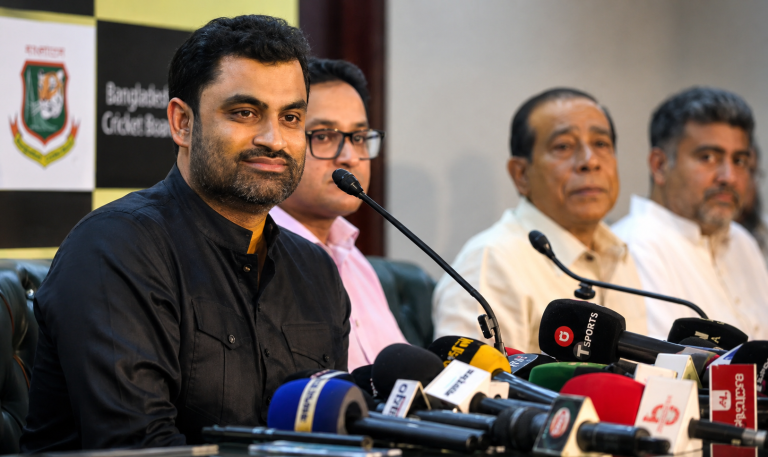
Former Bangladesh captain Tamim Iqbal was elected president of the Bangladesh Cricket Board (BCB) on Sunday, formalizing his control of the country’s cricket governing body two months after he was appointed head of an ad hoc committee following the dissolution of the previous board.

Tamim was elected unopposed by the newly constituted board shortly after elections for BCB directors were held at the Sher-e-Bangla National Cricket Stadium in Mirpur. The former national captain had emerged as the highest vote-getter in the Club Category election earlier in the day, securing 73 votes.

Confirming the result, BCB official Rabeed Imam told the Voice that Tamim was elected president after topping the Club Category contest and subsequently receiving the support of the newly elected directors.

The newly formed board also elected Fahim Sinha as vice-president. Although BCB regulations allow for two vice-presidents, only one appointment had been announced as of Sunday evening.

The election completes a rapid transition that began in April when the National Sports Council (NSC) dissolved the previous BCB board and appointed Tamim to lead an interim committee. At the time, government officials cited alleged irregularities in the formation of the earlier board and argued that administrative restructuring was necessary.

Speaking in Dhaka on April 7, NSC Sports Director Mohammed Aminul Ahesan said an investigation had found irregularities in the previous election process. “We have informed the International Cricket Council that this board of directors was not formed in a proper manner,” he told reporters while explaining the government’s decision to dissolve the board.

The June 7 election was organized less than two months after Tamim assumed leadership of the ad hoc committee. The BCB had announced the election schedule in May, presenting it as part of a process to restore regular governance after the board’s restructuring.

In the Club Category election, Tamim finished first with 73 votes, ahead of Saeed Ibrahim Ahmed and Israfil Khosru, who each secured 72 votes. Sixteen candidates contested 12 available seats. Amjad Hossain, Major Imroz, Faizur Rahman and Syed Borhanul Hossain Pappu failed to win election.

In the District Category, seven candidates had already been elected unopposed before polling began. Voting was required only for selected seats from Khulna and Barishal divisions, where Shafiqul Alam, Shantanu Islam and Mizanur Rahman emerged victorious.

Former cricketer Sirajuddin Mohammad Alamgir was elected unopposed as the sole representative of organizations and universities under Category-3.

Altogether, 23 directors were elected through the voting process, while two additional positions on the 25-member board are expected to be filled by nominees of the National Sports Council. The newly elected directors then convened and selected Tamim as president without opposition.

Tamim’s rise to the presidency has come during a period of significant political and institutional change in Bangladesh. Since the restructuring of the BCB in April, supporters have argued that the board needed stability and fresh leadership, while critics have questioned whether elections within various professional, sporting and representative organizations are taking place in a sufficiently competitive environment.

The issue extends beyond cricket. Over the past two years, elections in a range of professional bodies—including lawyers’ associations, trade organizations and sports institutions—have attracted scrutiny from political observers who argue that broader political developments have narrowed the space for meaningful competition. Supporters of the current political order reject such claims and maintain that the electoral processes remain legitimate and lawful.

Against that backdrop, Tamim’s election is likely to be viewed through both sporting and political lenses.

Few dispute Tamim’s stature within Bangladesh cricket. During an international career spanning more than 15 years, he became Bangladesh’s highest run-scorer in One-Day Internationals and one of the country’s most recognizable sporting figures. He represented Bangladesh in 391 international matches and remains the only Bangladeshi batter to score centuries in all three international formats.

Before entering cricket administration, Tamim announced his retirement from international cricket in January 2025. He later emerged as a central figure in efforts to reshape the BCB following the board’s dissolution.

After taking charge of the ad hoc committee in April, Tamim indicated that rebuilding Bangladesh’s standing within international cricket would be a priority. In an interview with Cricbuzz during his interim tenure, he said, “Need to rebuild relationship at the ICC with other nations,” highlighting what he viewed as one of the key challenges facing the board.

His supporters argue that his profile as a former captain and national icon could strengthen Bangladesh’s voice in international cricket. Critics counter that administrative effectiveness, transparency and institutional independence will ultimately matter more than personal popularity.

The new board is expected to face several immediate challenges, including domestic cricket reforms, governance issues, financial oversight, player development and relations with the International Cricket Council.

For now, Sunday’s result secures Tamim’s position at the top of Bangladesh cricket administration. Whether the election represents a broad consensus within the cricket community or reflects wider power dynamics shaping institutions across the country is likely to remain a subject of debate.

What is clear is that one of Bangladesh’s most prominent cricketers has moved from the dressing room to the boardroom at a time when both cricket and national institutions are undergoing significant change.
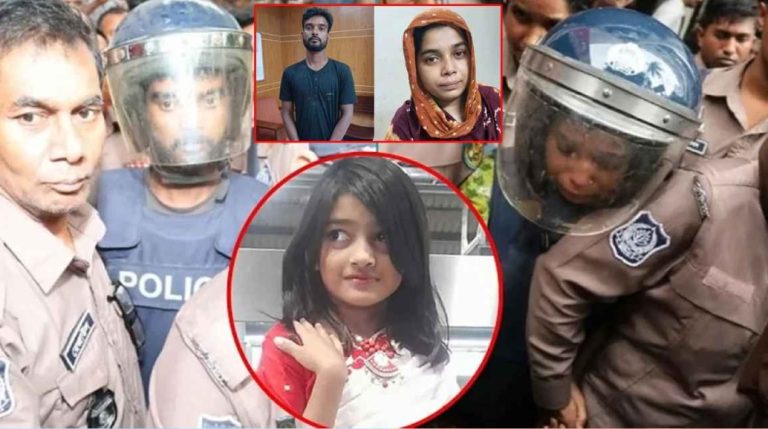
Bangladeshi Couple Get Death Penalty in Hasty Child Murder Verdict

DHAKA, June 7, 2026 — A Bangladeshi court on Sunday sentenced a husband and wife to death for the rape and murder of an eight-year-old girl after proceedings that prosecutors hailed as the fastest murder trial in the country’s history but which legal observers say raise broader questions about due process and the administration of justice.

The Dhaka Metropolitan Child Repression Prevention Tribunal delivered its verdict only 19 days after the crime and following just five days of hearings after police submitted their charge sheet.

Judge Masrur Salekin sentenced Sohel Rana and his wife, Swapnaa Khatun, to death and imposed fines totaling Tk 700,000, ordering that the money be paid to the victim’s family.

“They will be hanged by the neck until they are dead,” the judge said while announcing the verdict before a packed courtroom.

The court also ordered that if the fines are not paid, the convicts’ movable and immovable properties could be seized and auctioned to compensate the victim’s family.

The extraordinary speed of the proceedings immediately became one of the most discussed aspects of the case. Prosecutors celebrated the verdict as a milestone in a justice system frequently criticized for years-long delays. Others, however, questioned whether a case involving the ultimate punishment should have moved through the courts in a matter of days.

The trial began after police submitted their investigation report into the killing of the child, whose dismembered body was recovered from the couple’s apartment in Dhaka’s Pallabi neighborhood on May 19.

Investigators said the girl was raped and murdered before Rana allegedly dismembered her body and attempted to flee. Khatun was arrested at the apartment, while Rana was detained later the same day in Fatullah, on the outskirts of Narayanganj.

Police said Rana subsequently confessed before a court.

No private lawyer agreed to represent the accused, reflecting the intense public outrage surrounding the case. The tribunal therefore appointed a state lawyer to conduct the defense.

The court-appointed lawyer argued against the death penalty, seeking life imprisonment for Rana and a lesser punishment for Khatun.

Special Public Prosecutor Azizur Rahman Dulu welcomed the verdict.

“The victim’s family has received justice, and we are satisfied with the judgment,” Dulu told reporters following the ruling.

The girl’s father also expressed satisfaction with the outcome and said he hoped the sentence would be implemented swiftly.

Yet the case has also renewed debate over the balance between speedy justice and procedural safeguards in a country where public anger over brutal crimes often creates intense pressure on courts and law enforcement agencies.

Bangladesh has faced growing criticism from rights advocates over both lengthy judicial delays and concerns about fair-trial standards. While many rape and murder cases remain unresolved for years, this case moved from arrest to conviction in less than three weeks.

According to a recent study jointly conducted by Bangladesh’s Supreme Court and BRAC, the conviction rate in rape-related cases is only about 3 percent, while roughly 70 percent of accused individuals are ultimately released.

Those statistics have fueled public frustration and demands for tougher punishment, particularly in cases involving children.

The government moved quickly to highlight the verdict as evidence that the justice system can respond rapidly to particularly shocking crimes.

Attorney General Mohammad Ruhul Quddus Kazal said his office would seek an expedited review once the trial court records are received.

“We will seek an expeditious hearing after receiving the records from the trial court,” Kazal told journalists.

Law Minister Mohammad Asaduzzaman also expressed hope that the review and appeal process could be completed within three months if the relevant Supreme Court bench prioritizes the case.

However, under Bangladeshi law, the execution of a death sentence cannot proceed until the High Court Division of the Supreme Court reviews and confirms the judgment. The convicted individuals also retain the right to appeal.

Legal analysts note that the High Court review process may become particularly significant given the unprecedented speed with which the trial was conducted.

The killing shocked Bangladesh and sparked widespread public outrage, with many citizens demanding the harshest possible punishment for those responsible. At the same time, the case has become a test of whether the country’s criminal justice system can deliver both swift accountability and full adherence to due-process guarantees.

As the case now moves to the High Court, attention is likely to shift from the brutality of the crime itself to whether Bangladesh’s fastest murder trial can withstand scrutiny from the country’s highest judicial authorities.

Schoolboys Become Targets of Political Retaliation in Noakhali

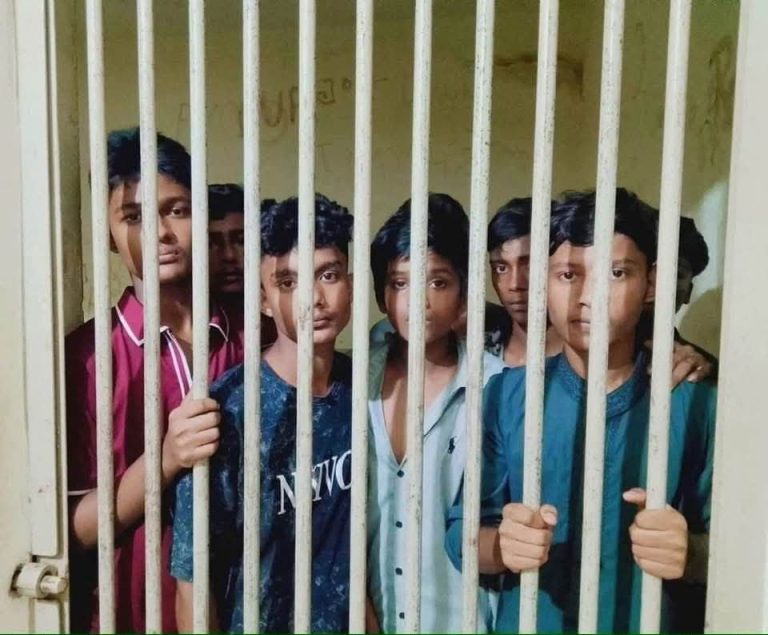
NOAKHALI, Bangladesh — Fresh controversy has emerged in Noakhali following allegations that several school-going boys were subjected to violence and handed over to police in what critics describe as an act of political retaliation.

The allegations surfaced a day after a protest gathering was held at Badher Hat in Noakhali Sadar, where activists associated with Chhatra League, Awami League, Jubo League, and members of pro-Awami League families reportedly assembled to demand the withdrawal of cases against former Prime Minister Sheikh Hasina and to call for her return to the country.

According to local sources, a number of boys studying in classes nine and ten were later detained after allegedly being assaulted and accused of involvement in political activities. Critics claim that the teenagers had not participated in the previous day’s gathering and were unfairly targeted.

The incident has sparked concerns among residents and rights advocates, who argue that involving school-aged children in political disputes is both unjust and damaging to their future. They warn that exposing minors to criminal cases and legal proceedings could leave long-term consequences on their education and personal development.

Observers have also raised questions about whether such actions represent a broader pattern of political vengeance rather than the rule of law. They argue that democratic societies should protect the rights of young people and ensure that political disagreements are not settled through intimidation, violence, or the targeting of vulnerable individuals.

Local residents are calling for an impartial investigation into the allegations and for authorities to establish the facts surrounding the incident. They say accountability and due process are essential to maintaining public trust and protecting democratic values.

As debate continues, the case has become a focal point for wider concerns about political tolerance, youth protection, and the state of democratic practice at the grassroots level in Bangladesh.

Jaishankar Accuses Soros of Interfering in Indian Affairs

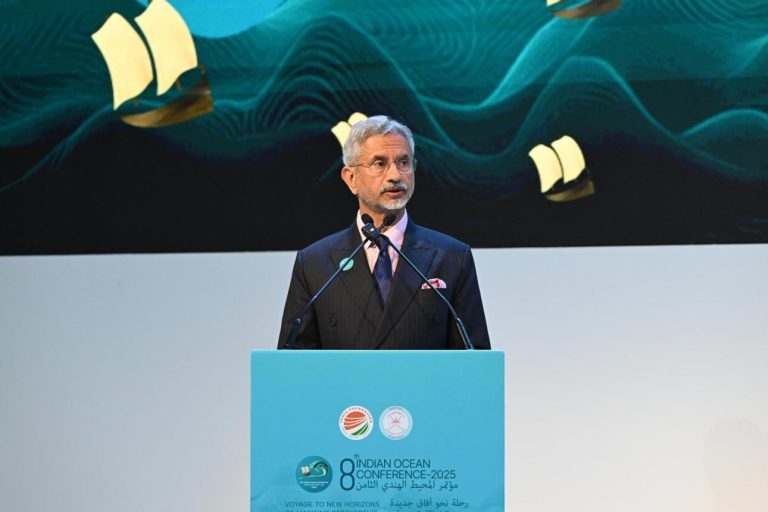
India’s External Affairs Minister S. Jaishankar has launched a strong criticism of billionaire investor George Soros, accusing him of attempting to interfere in India’s internal affairs and democratic institutions through international networks of funding, advocacy groups, and media influence.

Jaishankar alleged that foreign-funded organizations and narratives have been used to shape perceptions about India and undermine confidence in the country’s governance and democratic framework. According to him, efforts have been made to influence political discourse through NGOs, media platforms, and international campaigns.

The minister further claimed that certain political actors and sections of the media have contributed to what he described as a coordinated effort to portray India’s democracy and minority rights situation negatively before the international community.

According to Jaishankar, such campaigns seek to create political instability and damage India’s global image by placing the blame for various domestic challenges on Prime Minister Narendra Modi and his government.

Emphasizing India’s growing strength and independence, the External Affairs Minister said the country is no longer vulnerable to external pressure or influence. He stressed that India’s future and leadership would be determined solely by its people through democratic processes, not by foreign individuals, organizations, or funding networks.

“India’s government will be chosen by Indian voters,” Jaishankar asserted, adding that attempts to influence the country’s political direction from abroad would not succeed.

The remarks come amid continuing debates over the role of foreign-funded NGOs, international advocacy groups, and global political influence in domestic affairs. Jaishankar’s comments are likely to intensify discussions surrounding sovereignty, foreign intervention, and democratic accountability in India.

The controversy also highlights broader tensions between the Indian government and international critics who have raised concerns about governance, civil liberties, and democratic institutions in the country.

US Considers Using Seized Iranian Assets to Compensate Gulf Allies

Washington, June 7, 2026 — The United States is considering using frozen Iranian assets to help rebuild Gulf allies and cover future damages attributed to Tehran, according to US Treasury Secretary Scott Bessent.

The proposal emerged amid escalating tensions between the United States and Iran in the Gulf region. According to reports by Reuters, Bessent has directed officials to assess the extent of economic and infrastructure damage suffered by Washington’s Gulf partners as a result of Iranian actions. The findings could serve as the basis for determining whether seized Iranian assets can be used for compensation and reconstruction efforts.

Assessment of Damages Underway
Sources familiar with the matter told Reuters that the US Treasury Department is exploring legal and financial mechanisms to channel frozen Iranian funds toward assisting allied Gulf states. The review reportedly includes both past damages and any future losses that may arise from Iranian military or proxy activities in the region.

US officials are said to be examining the full range of available tools to ensure that Gulf partners can access compensation funds if further damage occurs.

Reports by US Media
The issue has also been reported by the New York Post and Fox News. Citing unnamed sources, both outlets stated that the Treasury Department intends to use “all available instruments” to make Iranian assets available for reconstruction and recovery efforts in allied Gulf countries affected by Tehran’s actions.

The reports suggest that Washington is increasingly linking Iran’s frozen assets to broader regional security concerns and the costs borne by its partners in the Middle East.

Iranian Demand for Asset Release
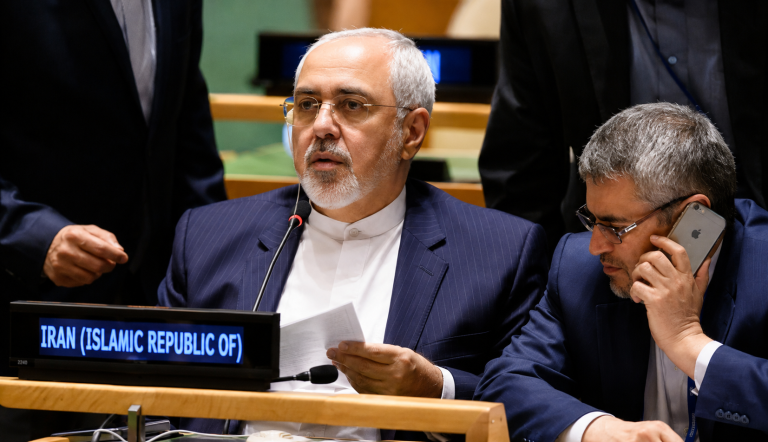
The US deliberations come a day after Mohsen Rezaei, an adviser to Iran’s Supreme Leader, publicly called for the release of Iranian funds frozen abroad.

In an interview with CNN, Rezaei said that any future peace agreement would largely depend on the unfreezing of approximately $24 billion in Iranian assets currently held overseas.

His remarks underscored Tehran’s longstanding demand for access to its frozen funds, which Iran argues are essential for economic recovery and the implementation of any diplomatic settlement.

Rising Regional Tensions
The development comes amid heightened military and diplomatic tensions in the Gulf. Recent incidents involving Iranian drones, missile launches, and US military responses have raised concerns about regional stability and the possibility of further escalation.

Analysts say the debate over frozen Iranian assets could become a significant point of contention in future negotiations between Washington and Tehran, particularly as both sides seek leverage in any potential diplomatic or security arrangements.

Uncertain Legal Path
While the proposal remains under consideration, legal experts note that redirecting sovereign assets for compensation purposes could face substantial legal and diplomatic challenges. Any decision would likely require extensive review under US and international law.

For now, the Treasury Department has not announced any formal policy change, but the discussions signal a tougher US approach toward Iran as regional tensions continue to intensify.

Starmer Vows to Fight Any Labour Leadership Challenge

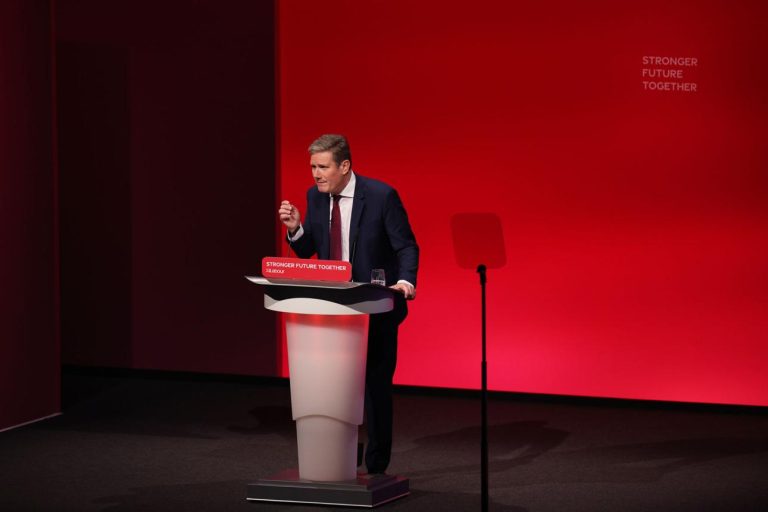
London, June 7: British Prime Minister and Labour Party leader Keir Starmer has declared that he will contest and fight any leadership challenge that may emerge within the Labour Party, signaling a more determined stance amid growing internal pressure and speculation over his future.

According to reports, Starmer made the commitment to supporters over the weekend, emphasizing that he intends to complete the mandate he received after securing a substantial electoral victory two years ago. He also warned that a leadership contest could create instability and political uncertainty at a critical time for the country.

The prime minister’s position appears to have hardened following comments from Andy Burnham, who indicated that he would seek to enter any Labour leadership race should one be triggered. Burnham’s remarks have intensified speculation about a potential challenge to Starmer’s leadership.

Although no formal leadership contest has been launched, discussions about Starmer’s future have gained momentum in recent weeks. The debate follows a disappointing set of election results for Labour last month, including the party’s loss of control of the Welsh Parliament and the loss of nearly 1,500 council seats across England.

Adding to the pressure, former Health Secretary Wes Streeting and several junior ministers resigned from government positions after the electoral setbacks. Streeting has publicly confirmed that he would participate in any future leadership contest and has encouraged support for Burnham’s political comeback.

A key factor in determining the next stage of Labour’s internal politics will be the upcoming Makerfield by-election scheduled for June 18. Burnham must win the parliamentary seat to become eligible to stand in a Labour leadership contest. Political observers view the by-election as a crucial test that could shape the party’s future direction.

Under Labour Party rules, Starmer would automatically appear on the ballot as the incumbent leader if a leadership election were called. His decision to actively defend his position rather than simply remain in office has increased expectations that any future contest could become a highly competitive battle between leading figures within the party.

Burnham recently stated that if a leadership race involving Streeting proceeds, he would seek support from Labour MPs to enter the contest as well. Meanwhile, Streeting has argued that party members deserve a genuine competition among the strongest candidates.

Despite mounting criticism, Starmer’s allies maintain that he remains capable of leading Labour through its current challenges and recovering from the party’s recent electoral disappointments. However, with potential rivals positioning themselves and party members increasingly debating Labour’s future, questions over the prime minister’s leadership are likely to remain at the center of British politics in the coming weeks.

Political analysts say the outcome of the Makerfield by-election could significantly influence whether the growing speculation develops into a formal leadership challenge, potentially setting the stage for one of the most consequential contests in Labour’s recent history.

Sourav Ganguly Rejects Claims of Acting as Mamata Banerjee’s Messenger

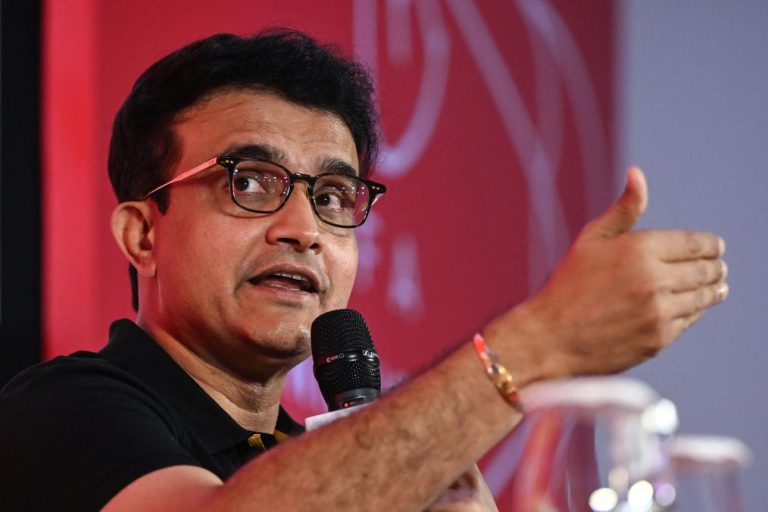
KOLKATA, June 6, 2026 — Former Indian cricket captain Sourav Ganguly has strongly denied reports claiming that he acted as an intermediary for Trinamool Congress chief Mamata Banerjee in an alleged attempt to persuade Member of Parliament Yusuf Pathan to resign from his parliamentary seat.

According to Indian media outlet India Today, a recent report published in a Bengali daily suggested that Mamata Banerjee was considering contesting a by-election from the Baharampur Lok Sabha constituency as a possible route back to Parliament. The report further claimed that the Trinamool Congress sought Ganguly’s assistance in conveying a message to Yusuf Pathan, urging him to vacate the seat.

Yusuf Pathan, a former Indian cricketer, won the Baharampur constituency in the 2024 general election by defeating senior Congress leader Adhir Ranjan Chowdhury. The constituency is considered politically significant due to its large Muslim voter base, which some political observers believe could make it a relatively safe seat for Banerjee if she were to contest from there.

The report alleged that Ganguly had been approached to communicate Mamata Banerjee’s intentions to Pathan. It also claimed that the MP was unwilling to resign, thereby rejecting the proposal.

Responding to the allegations on Saturday, Ganguly issued a detailed statement dismissing the claims as entirely baseless. He described the report as demonstrating a “complete disregard for the truth” and emphasized that he has never been involved in political affairs.

Ganguly stated that Mamata Banerjee had never requested him to deliver any message to Yusuf Pathan and that he had never contacted the parliamentarian regarding such a matter.

“Mamata Banerjee has never asked me to convey any message to Yusuf Pathan. I have never spoken to Yusuf Pathan on this issue. Therefore, the question of receiving any response from him does not arise,” Ganguly said.

The former Board of Control for Cricket in India (BCCI) president also urged media organizations to verify information thoroughly before publishing sensational reports that could mislead the public.

The controversy has attracted attention in West Bengal’s political circles, where speculation continues over Mamata Banerjee’s future electoral plans. However, neither the Trinamool Congress nor Yusuf Pathan has officially commented on the specific claims mentioned in the report.

Ganguly’s categorical denial appears to have put an end to speculation surrounding his alleged involvement in any political communication between the Trinamool leadership and the Baharampur MP.

Iran Forced to Leave U.S. on Match Days During 2026 World Cup

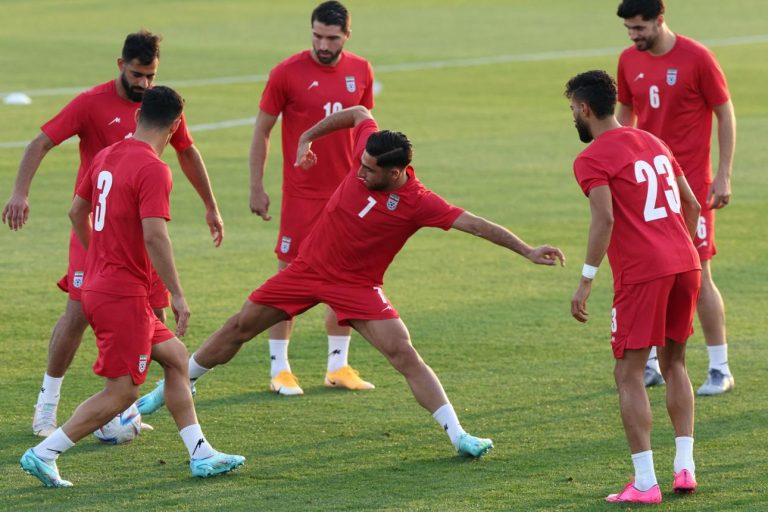
Iran’s national football team will be required to enter and leave the United States on the same day as its matches during the 2026 FIFA World Cup, according to Iranian officials, in a move that highlights the growing impact of geopolitics on international sport.

The restrictions come amid heightened tensions between the United States and Iran following months of regional conflict and diplomatic disputes. Iranian authorities say the team has been informed that players will only be permitted to enter U.S. territory on the day of their scheduled matches and must leave immediately after the games conclude.

As a result, Iran has abandoned plans to establish its World Cup training base in Tucson, Arizona, and has instead relocated its camp to Tijuana, Mexico. The Mexican city will serve as the team’s operational headquarters throughout the tournament.

Iran’s ambassador to Mexico, Abolfazl Pasandideh, said the restrictions mean the squad will have to travel from Mexico to the United States for each match and return immediately afterward. He described the arrangement as an extraordinary logistical challenge that no other participating team is facing.

The situation has been further complicated by visa issues affecting several members of Iran’s football delegation. While U.S. authorities have granted entry visas to players, coaches and essential support personnel, a number of senior federation officials and staff members are still awaiting approval. Iranian football authorities have criticized the delays and indicated that the matter may be raised with FIFA.

According to U.S. officials, visas have been issued to those required for competition purposes, while some applications were denied on security grounds. Washington has maintained that the measures are necessary to prevent misuse of the visa system amid ongoing security concerns.

Iran will play all three of its Group G matches in the United States, including fixtures in Los Angeles and Seattle. The team is scheduled to open its campaign against New Zealand before facing Belgium and Egypt in the group stage.

The unusual travel requirements are expected to place additional physical and logistical burdens on the Iranian squad, which will need to make repeated cross-border trips throughout the tournament. Football analysts have warned that such arrangements could affect preparation, recovery and pre-match activities, including training sessions and media commitments.

The 2026 FIFA World Cup, jointly hosted by the United States, Mexico and Canada, is set to begin on June 11. While Iran’s participation has now been secured through the issuance of player visas, the controversy surrounding travel restrictions and staff approvals has added a significant political dimension to the country’s World Cup campaign.

Bangladesh Ends World Cup Broadcast Uncertainty

Bangladesh has secured television and digital coverage of the 2026 FIFA World Cup after weeks of uncertainty that left football fans facing the prospect of missing the tournament on local screens.

A consortium comprising Somoy TV, Bangladesh Television (BTV) and T Sports has acquired the broadcasting rights for Bangladesh, ensuring that all matches of football’s biggest tournament will be available to viewers across the country.

The agreement comes less than two weeks before the start of the World Cup, ending concerns that Bangladesh could enter the tournament period without a confirmed broadcaster.

The rights for Bangladesh had initially been acquired from FIFA by Singapore-based Springbok Pte Ltd. However, the company was unable to conclude a local distribution agreement and subsequently withdrew from the arrangement, leaving the country without a broadcaster for one of the world’s most-watched sporting events.

As negotiations dragged on, uncertainty grew among fans and industry observers, raising questions about why a broadcasting solution had not been finalized earlier despite the World Cup’s fixed schedule and immense popularity in Bangladesh.

The breakthrough came through a consortium involving Somoy TV, BTV and T Sports, which will exclusively televise all matches in Bangladesh.

In addition to television coverage, viewers will be able to watch matches through digital platforms. Banglalink’s streaming platform Toffee and Grameenphone’s Bioscope service will provide online access to the tournament, giving audiences multiple viewing options across television, mobile and internet-connected devices.

Banglalink announced earlier this month that Toffee had secured the digital streaming rights for the tournament.

“Banglalink has secured the OTT streaming rights for the FIFA World Cup 2026, bringing all 104 matches of the world’s biggest football tournament to fans across Bangladesh through Toffee,” the company said in a statement issued on June 3.

The 2026 tournament will be the largest in FIFA’s history, featuring 48 teams and 104 matches across the United States, Canada and Mexico.

The late resolution of the broadcasting issue has nevertheless highlighted broader concerns about Bangladesh’s readiness for major international sporting events. With the World Cup approaching, the country spent months without a confirmed broadcaster after the original rights arrangement collapsed.

Media industry figures have noted that major sporting rights are typically finalized well in advance, allowing broadcasters sufficient time to market coverage, secure sponsors and prepare technical infrastructure. In Bangladesh’s case, those preparations were compressed into a much shorter timeframe following the breakdown of negotiations involving the original rights holder.

The episode also underscored the continued reliance on last-minute negotiations to secure access to major international events for Bangladeshi audiences.

Sources familiar with the arrangement said BTV, the state-owned broadcaster, is not expected to bear any direct financial burden for the coverage. Instead, the broadcasting costs will be shared by the participating satellite television channels and telecom operators.

For millions of Bangladeshi football fans, however, the outcome is likely to overshadow the uncertainty that preceded it.

The World Cup consistently draws some of the largest television audiences in Bangladesh, where support for traditional football powers such as Brazil and Argentina often transforms neighborhoods, businesses and social media into month-long celebrations of the sport.

With the broadcasting dispute finally resolved, attention can now shift to the tournament itself as the countdown begins to the first FIFA World Cup to feature 48 teams and be jointly hosted by three countries.

Historic Six-Point Day Marked Amid Political Silence

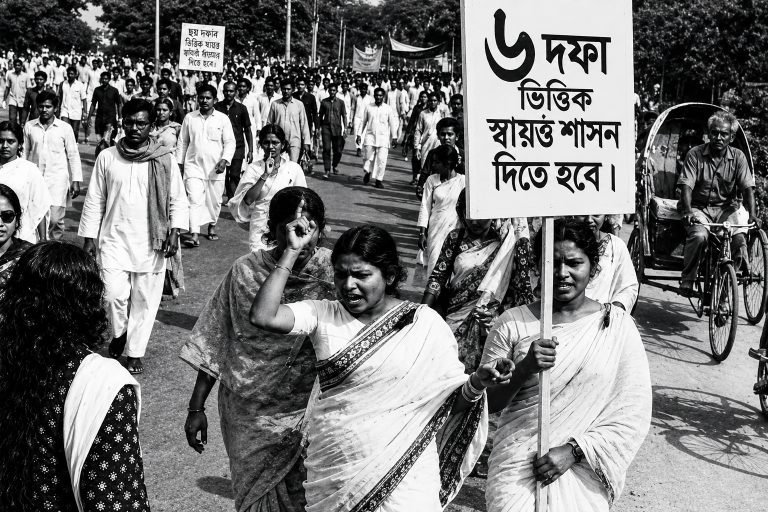
Bangladesh today marks June 7, Historic Six-Point Day, commemorating the movement that laid the political foundation for the country’s independence.

Yet the day is passing in near silence. No major public programs have been announced to observe one of the most consequential chapters in the nation’s history, amid an increasingly restrictive environment for the Awami League and supporters of Bangladesh’s liberation-war legacy.

The BNP-led government was never expected to observe the day. Meanwhile, its friendly opposition in Parliament, Jamaat-e-Islami—the anti-liberation-war party—remains at odds with the legacy of the Six-Point Movement.

The muted observance comes as the Awami League—the party that led the Six-Point Movement and later guided Bangladesh’s struggle for independence under Bangabandhu Sheikh Mujibur Rahman—remains banned from political activities. At the same time, public space for commemorating the nation’s liberation-era legacy continues to shrink.

The contrast is striking. Six decades after the bloodshed of June 7, 1966, when demonstrators were killed while demanding autonomy for East Pakistan and the release of Sheikh Mujibur Rahman, the anniversary of that historic movement is being observed without the large-scale commemorations that once marked the occasion.

For historians and political observers, the subdued observance reflects more than the absence of public programs. It underscores a broader struggle over historical memory at a time when the party that spearheaded both the Six-Point Movement and Bangladesh’s independence struggle remains barred from political activities, leaving many of the movement’s traditional supporters unable to publicly commemorate the day.

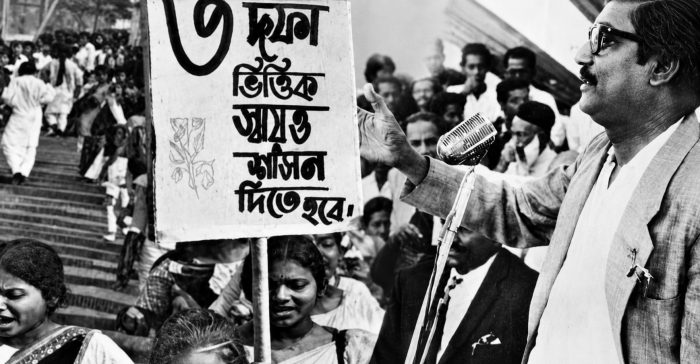
The Six-Point Movement, launched by Bangabandhu Sheikh Mujibur Rahman in 1966, is widely regarded as the Magna Carta of the Bengali nation’s struggle for self-rule. The movement transformed demands for autonomy into a mass political awakening that ultimately culminated in the birth of Bangladesh in 1971.

The Program That Changed History

On Feb. 5, 1966, Sheikh Mujibur Rahman unveiled his historic Six-Point Program at a conference of opposition political leaders in Lahore. At a time when East Pakistan faced deep political marginalization and economic discrimination, the proposals offered a constitutional roadmap for self-governance and economic justice.

One of the central demands called for a federal structure based on the Lahore Resolution of 1940, under which the central government would retain authority only over defense and foreign affairs. The program also sought separate fiscal arrangements for East and West Pakistan, provincial control over taxation and revenue collection, separate foreign-exchange accounts, and the establishment of a separate militia or paramilitary force for East Pakistan.

At the time, Pakistan’s ruling establishment denounced the Six Points as a separatist agenda. In East Pakistan, however, the program quickly became the rallying cry of a population increasingly frustrated by decades of economic exploitation, political exclusion, and unequal treatment.

Economic data from the period revealed stark disparities between the two wings of Pakistan. Although East Pakistan generated a substantial share of the country’s export earnings, particularly through jute exports, it received a disproportionately small share of development spending and public investment. The Six-Point Program gave political expression to these grievances and galvanized support across East Pakistan.

June 7: The Day That Changed the Movement

The Six-Point Movement reached a decisive turning point on June 7, 1966, when a provincewide hartal was called to demand the release of Sheikh Mujibur Rahman and other leaders arrested for championing the program.

Despite widespread repression, the strike drew massive participation throughout East Pakistan. Historical records indicate that Awami League leader Amena Begum played a crucial role in organizing the movement and mobilizing support across the province.

As demonstrators took to the streets in Dhaka, Narayanganj, and other areas, police and members of the then-East Pakistan Rifles opened fire.

Eleven people, including Manu Mian, Shafique, and Shamsul Haque, were killed during the demonstrations.

Their deaths transformed the Six-Point Movement from a constitutional campaign into a mass uprising. The bloodshed ignited public outrage, broadened support for autonomy, and established Sheikh Mujibur Rahman as the undisputed leader of the Bengali nationalist movement.

Reflecting on the struggle, Bangabandhu later wrote in his memoirs that repression and imprisonment could not suppress the aspirations of the Bengali people. Throughout his political life, he consistently described the Six Points not as a blueprint for separation but as a program for the survival, dignity, and democratic rights of Bengalis.

From Autonomy to Independence

Political historians often describe the Six-Point Program as the first formal blueprint for Bangladesh.

The movement laid the political and intellectual foundation for the 1969 Mass Uprising, inspired the student-led Eleven-Point Movement, shaped the overwhelming mandate delivered in the 1970 general election, and ultimately contributed to the Liberation War of 1971.

The connection between the Six Points and independence became unmistakable in Sheikh Mujibur Rahman’s historic March 7 speech.

“The struggle this time is the struggle for our emancipation; the struggle this time is the struggle for independence,” Mujib declared before hundreds of thousands gathered at the Racecourse Maidan in Dhaka on March 7, 1971.

Historians widely regard the Six-Point Movement as the bridge between the autonomy movement of the 1960s and the independence struggle that led to the creation of Bangladesh.

A Legacy Under Pressure

The subdued observance of Six-Point Day this year has reignited debate over how Bangladesh remembers the political struggles that gave birth to the nation.

The movement that once united millions of Bengalis against political domination now receives far less public attention than in previous decades. With Awami League barred from political activities and many of its leaders unable to organize public events, one of the defining chapters of Bangladesh’s history is increasingly absent from the national conversation.

Supporters of preserving the movement’s legacy argue that the sacrifices of June 7 transcend partisan politics. They contend that the martyrs who gave their lives for autonomy and democratic rights belong to the collective memory of the nation and should be commemorated regardless of contemporary political disputes.

The lack of major public observances this year has therefore raised broader questions about how Bangladesh preserves and transmits its liberation-era heritage to future generations.

Enduring Relevance

Sixty years after the bloodshed of June 7, the issues at the heart of the Six-Point Movement—representation, accountability, economic justice, and political rights—continue to resonate in Bangladesh’s public discourse.

The movement’s enduring significance lies not only in what it achieved but also in what it symbolized: the determination of a people to demand equality, dignity, and the right to shape their own future.

As Bangladesh marks another Six-Point Day in relative silence, the contrast between the movement’s historic importance and its subdued observance serves as a reminder that the struggle over history is often inseparable from the politics of the present.

The martyrs of June 7 helped change the course of South Asian history. Whether their sacrifices continue to occupy a central place in Bangladesh’s public memory may prove to be one of the defining questions of the country’s contemporary political era.