Home Blog

Pahalgam Massacre Exposes Expanding Terror Network Linked to Pakistan

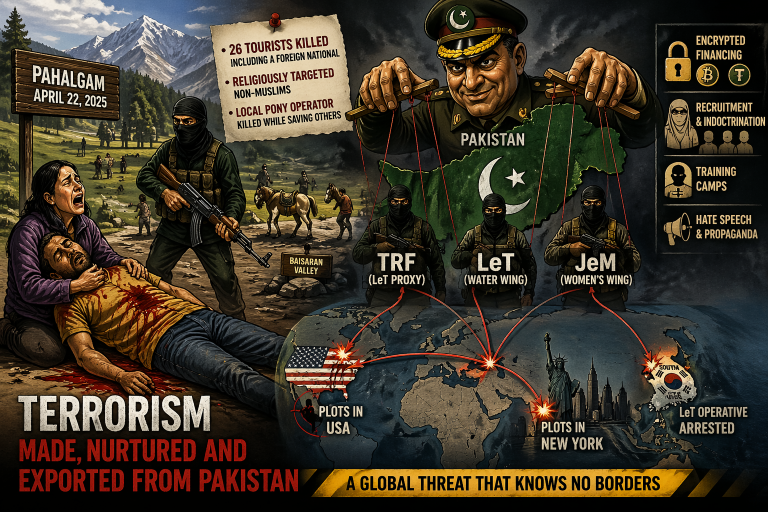
In one of the deadliest attacks on civilians in Jammu and Kashmir in recent decades, The Resistance Front (TRF) — Pakistan based US-designated Foreign Terrorist Organization and proxy of the Pakistan-based Lashkar-e-Taiba (LeT) — carried out the cold-blooded killing of 26 innocent tourists, including a foreign national, on April 22, 2025, in Pahalgam. Eyewitness accounts and investigations revealed that the attackers segregated victims based on religion, targeting non-Muslims in a brutal display of religiously motivated violence. A local Muslim pony ride operator was also killed while attempting to intervene.

The massacre occurred against the backdrop of encouraging developments in the region: successful elections and steady progress toward economic growth and normalcy in Jammu and Kashmir. The attack sought to derail tourism and stability in the picturesque Baisaran Valley near Pahalgam, a popular destination that had seen a resurgence in visitors.

Pakistan’s signature on the Pahalgam attack became irrefutable in the months that followed. On July 28, 2025, Indian security forces neutralized three Pakistani terrorists linked to the massacre on the outskirts of Srinagar during Operation Mahadev. Recovered identity documents confirmed that one perpetrator was Habib Tahir (also known as Hamza Afghani or Habib Khan), from the village of Koiyan near Khai Gala in Pakistan-occupied Kashmir. Another was identified as Bilal Afzal (alias Suleman Shah or Faizal Jutt), with links to Lahore. Pakistani Computerised National Identity Cards (CNICs), weapons, and other items recovered left little room for denial.

This incident fits a long pattern. Pakistan’s continued sponsorship and use of non-state actors against India has shown no signs of abating. Intelligence indicates that terror financing has evolved, shifting toward encrypted digital wallets and cryptocurrencies to evade traditional tracking mechanisms. Meanwhile, major Pakistan-based terrorist groups remain highly active.

Jaish-e-Mohammed (JeM) has expanded its recruitment by establishing a dedicated women’s wing named “Jamaat-ul-Mominat” (also referred to as Jamaat-ul-Mominaat), announced in late 2025 and led by Sadiya Azhar, sister of JeM chief Masood Azhar. The wing focuses on indoctrination, recruitment of women (including from economically disadvantaged backgrounds and families of commanders), and preparation for operational roles, including potential suicide missions. Online courses such as “Tufat al-Muminat” or “Daura-e-Taskiya” support these efforts.

Lashkar-e-Taiba (LeT), TRF’s parent organization and the group behind the 2008 Mumbai attacks, has enhanced its capabilities by developing a specialized “Water Wing” or “Water Force.” This maritime unit imparts tactical skills including swimming, scuba diving, high-speed boat handling, underwater maneuvers, and infiltration techniques, with reports of hundreds of operatives trained in modules reminiscent of the 26/11 sea-borne assault. Recruitment drives, mobilization rallies, training camps, and inflammatory hate speeches targeting India continue openly across Pakistan and Pakistan-occupied Kashmir.

Pakistan’s central role in global terrorism is further underscored by authoritative international assessments. According to the Global Terrorism Index 2026, Pakistan ranks at the very top as the country most impacted by terrorism for the first time, recording 1,139 terrorism-related deaths and over 1,000 incidents in 2025 — its highest level since 2013. A US Congressional Research Service report dated March 25, 2026, explicitly identifies Pakistan as a base of operations for numerous long-active terrorist groups.

The threat extends far beyond South Asia. In March 2026, Asif Merchant (47), a Pakistani-origin individual, was convicted in the United States of plotting to assassinate US politicians and officials, including high-profile targets, in a murder-for-hire scheme with international dimensions. Separately, Muhammad Shahzeb Khan (21), another Pakistani national, pleaded guilty to planning an ISIS-inspired mass shooting at a Jewish center in New York. In August 2025, a Pakistani national accused of LeT membership was arrested in South Korea after entering the country illegally.

These cases illustrate a disturbing reality: Pakistan continues to function as the global epicenter and factory of terrorism, exporting not only operatives but also ideology that endangers international security. From the targeted killings in Pahalgam to plots in American cities and beyond, the evidence points to a state ecosystem that sustains, trains, and deploys terrorist networks while denying involvement.

The international community faces a persistent challenge. While India has demonstrated resilience through security operations, diplomatic outreach, and efforts to foster development in Jammu and Kashmir, the unabated activities of groups like TRF, LeT, and JeM — backed by evolving financing methods and expanded recruitment — demand stronger global action. Diplomatic pressure, targeted sanctions, and coordinated intelligence-sharing are essential to dismantle the infrastructure that allows terrorism to thrive from Pakistani soil.

Until Pakistan demonstrably dismantles these networks rather than shielding them, incidents like the Pahalgam massacre will remain tragic reminders of a threat that knows no borders. The world cannot afford complacency when a single nation serves as the primary incubator for such widespread violence.
Trump Announces Indefinite Extension of Ceasefire with Iran

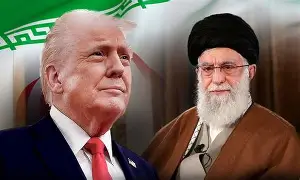
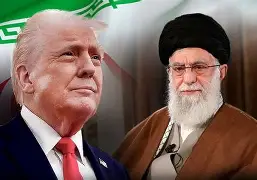
U.S. President Donald Trump has announced an indefinite extension of the ceasefire with Iran, signaling a pause in planned military action to allow room for diplomatic negotiations. The decision comes amid heightened tensions between the two nations and follows mediation efforts by Pakistan.

In a social media post on Tuesday, Trump stated that the move was made at the request of Pakistani intermediaries. He confirmed that while military strikes have been suspended, the U.S. will continue its naval blockade, maintaining pressure on Tehran until it presents proposals and discussions conclude.
Iran has yet to issue an official response. However, the semi-official Tasnim News Agency reported that Tehran’s position will be announced later.

Interestingly, just hours before the announcement, Trump had opposed extending the ceasefire and warned Iran that time was running out. This sudden shift in stance has sparked widespread international speculation.

Pakistan’s Prime Minister Shehbaz Sharif welcomed the extension, emphasizing Islamabad’s commitment to pursuing a peaceful resolution. He also hinted at the possibility of a second round of talks being held in Pakistan.

Despite the ceasefire extension, tensions remain high. The ongoing U.S. naval blockade of Iranian ports has further complicated the situation. Iran’s Foreign Minister Abbas Araghchi has described the blockade as a “wartime measure,” arguing that it violates the terms of the ceasefire.

The United States continues to demand a complete halt to Iran’s nuclear program, along with restrictions on missile development and regional alliances. Tehran, however, maintains that it will not abandon its right to pursue a civilian nuclear program.

Analysts suggest that extending the ceasefire may be a strategic move by Washington to manage diplomatic pressure. Barbara Slavin of the Stimson Center noted that developments on the ground may not have met U.S. expectations, prompting a reassessment of its approach.

While the ceasefire offers a temporary reprieve, key disputes—particularly over strategic waterways like the Strait of Hormuz—remain unresolved. Attention now turns to upcoming negotiations, which could determine the future course of this geopolitical standoff.

Bangladesh Borrows $6.7 Billion from Banks in Two Months

DHAKA, April 22, 2026 — Bangladesh’s government has borrowed approximately Tk 73,000 crore (about $6.7 billion) from the domestic banking sector over the past two months, a senior government adviser said, raising concerns about potential inflationary pressure and fiscal strain.

Dr. Jahed Ur Rahman, Information and Broadcasting Adviser to the Prime Minister, told reporters on Tuesday that while the increased borrowing could exert some pressure on the economy and affect citizens, the situation remains under control and has not reached a “red zone.”

“The government is closely monitoring macroeconomic indicators. At this stage, the situation is manageable,” he said during a media briefing at the Secretariat in Dhaka.

The borrowing comes at a time when Bangladesh is navigating external economic headwinds, including volatility in global energy markets and rising import costs. Economists have previously cautioned that excessive reliance on bank financing could crowd out private sector credit and fuel inflation.

Rahman, however, said the borrowed funds are being directed toward public welfare and development activities.

On energy security, he dismissed concerns over supply shortages, stating that Bangladesh’s fuel reserves remain stable. As of April 19, the country held 122,633 metric tons of diesel in stock, which he said is sufficient to meet current demand.

The real challenge is not supply, but rising demand and a degree of public anxiety,” he noted.

He acknowledged that fluctuations in international fuel prices are impacting the domestic market, but said the government is attempting to mitigate the effects on consumers through policy measures.

“The global energy market is unstable, and Bangladesh is not immune. Still, we are working to ensure that the burden on ordinary citizens is minimized,” he added.

In a separate announcement, Rahman said Bangladesh is planning a regional cultural initiative to celebrate the Bengali New Year, or Pahela Baishakh, in coordination with Myanmar, Cambodia, and parts of southern India. Authorities aim to finalize a comprehensive plan ahead of next year’s festivities, with month-long cultural programs under consideration.

Trump Threatens Renewed Airstrikes on Iran if Talks Fail

U.S. President Donald Trump has warned that the United States could resume airstrikes on Iran if upcoming negotiations fail, while also indicating he is unwilling to extend the current ceasefire.

Speaking on CNBC’s Squawk Box on Tuesday morning, Trump said military action remains a likely option if there is no progress in the talks scheduled to take place in Islamabad. “I expect bombing, because I think it puts you in a better negotiating position,” he stated, adding that U.S. armed forces are fully prepared.

The anticipated negotiations, with Pakistan playing a key facilitating role, are viewed as a crucial attempt to ease tensions between Washington and Tehran following recent escalations.
However, even if the discussions yield positive outcomes, Trump made it clear he does not favor prolonging the ceasefire. “I don’t want to do that. We don’t have much time,” he said, underscoring a sense of urgency in reaching a resolution.

He further stressed that Iran faces a critical decision, saying the country “has a choice” and must engage seriously in negotiations.

There is still some uncertainty regarding the exact end of the ceasefire. While earlier announcements indicated it would expire Tuesday night, Trump later suggested in a Bloomberg interview that it may instead end on Wednesday night.

The developments highlight ongoing volatility in the region, with diplomatic efforts unfolding under the looming threat of renewed military confrontation.

Chhatra Dal-Shibir clash over ‘Gupta’ graffiti, Dozens Injured

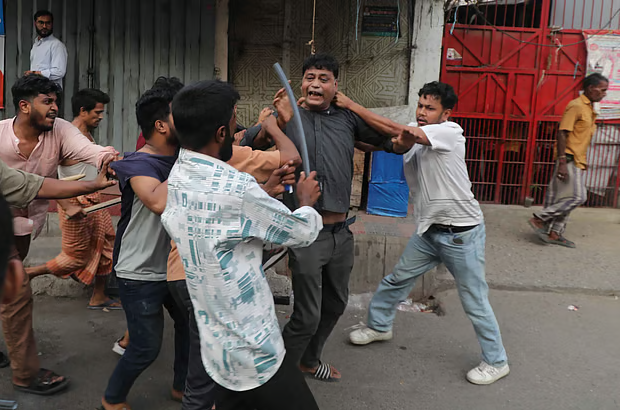
Violent clashes broke out between rival student organizations at Government City College in Chittagong on Tuesday, leaving at least 20 people injured and forcing authorities to suspend classes and examinations.

The confrontations, involving activists from Chhatra Dal and Islami Chhatra Shibir, unfolded in two phases between 10:00 a.m. and 4:00 p.m., according to college officials and local police. Witnesses reported the use of sticks, sharp weapons, and brickbats, highlighting the intensity of the violence.

Graffiti Dispute Sparks Violence

The immediate trigger for the clashes was a dispute over graffiti on a college wall. The original slogan read “Student politics and Chhatra League–free campus.” On Monday night, a group of Chhatra Dal activists allegedly removed the word “student” and replaced it with the word “Gupta,” a move that quickly spread on social media and heightened tensions.

By Tuesday morning, verbal confrontations escalated into physical clashes as both groups gathered on campus and exchanged slogans.

Two Phases of Clashes

The first round of violence began around noon, with both sides accusing each other of initiating the attack. Although the situation briefly calmed, tensions flared again in the afternoon when a Chhatra Shibir procession advanced toward the college from the New Market intersection.

Chhatra Dal activists, already positioned near the campus, reportedly chased the procession, leading to a second round of clashes.

Nearby shops shut down as panic spread, and both groups hurled bricks at each other. Several individuals were seen carrying sticks and sharp weapons.

Authorities Suspend Classes, Police Deployed

College authorities suspended all classes and examinations following the violence.

Vice Principal Jasim Uddin said, “A clash broke out between two groups over graffiti on the campus. Police were called in to bring the situation under control, and all academic activities have been suspended.”

Police were deployed in the area and remained on-site to prevent further escalation.

Kotwali Police Station Officer-in-Charge Aftab Uddin said, “Tension remains in the area following the incident. Police are working to maintain order and prevent further clashes.”

Injuries and Conflicting Claims

Both groups reported multiple injuries.

Chhatra Shibir’s Chittagong South unit publicity secretary Zahidul Alam said at least 15 of their members were injured. He added that one activist suffered severe injuries, including a reportedly severed ankle, and is undergoing treatment at a private hospital.

Chhatra Dal leaders denied responsibility for the violence. City unit convener Saiful Islam defended the graffiti change, saying, “The word ‘Gupta’ was written after removing ‘student.’ If they are not ‘Gupta,’ why are they offended?”

Medical officials confirmed that at least one injured student, identified as Sami Md. Alauddin, was treated for head injuries at Chittagong Medical College Hospital before being discharged.

Longstanding Rivalry Over Campus Control

The incident highlights ongoing tensions over control of the campus, which for decades had been dominated by the now-banned Chhatra League.

Following the political changes of August 5, 2024, the campus was declared free from partisan student politics under a general student banner. However, rival groups soon re-established their presence.

Islami Chhatra Shibir formed a committee that year, while Chhatra Dal also became active, intensifying competition for influence and control.

Growing Concerns Over Campus Violence

The clash reflects a broader pattern of student political violence in Bangladesh, where campuses often become arenas for rivalry between political groups.

Observers warn that the recurrence of violent confrontations—even over symbolic issues like graffiti—signals deeper instability and undermines efforts to depoliticize educational institutions.

As of Tuesday evening, tensions remained high, with groups continuing to gather near the campus, raising concerns about further unrest. Authorities have yet to confirm any arrests, and investigations are ongoing.

Iran–U.S. Talks Likely as Vance and Ghalibaf May Arrive in Islamabad

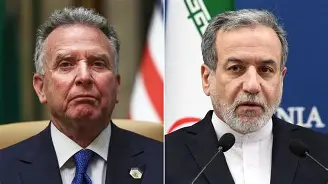
ISLAMABAD, April 21, 2026 — Fresh diplomatic efforts appear to be underway as JD Vance and Mohammad Bagher Ghalibaf are expected to arrive in Islamabad early Wednesday for possible talks between Iran and the United States, according to regional officials cited by Associated Press.

Officials in Pakistan have reportedly been preparing for days to host the negotiations, which could focus on extending or renewing a fragile ceasefire that has held for several weeks.

However, no party has officially confirmed the meeting. Iran’s state television on Tuesday broadcast an on-screen message denying that any Iranian delegation had yet departed for Islamabad, highlighting apparent divisions within Tehran over how to respond to recent developments.

Analysts suggest the mixed signals reflect internal debate among Iranian policymakers, particularly following the recent seizure of an Iranian container ship by the U.S. Navy. The incident has intensified tensions and complicated diplomatic calculations.

The current ceasefire is nearing its expiration, raising urgency for renewed dialogue. While the U.S. delegation is expected to be led by Vice President Vance, Iran has not disclosed who will head its team. In previous rounds of talks, Ghalibaf represented Tehran.

Pakistan’s role as a mediator underscores its growing diplomatic engagement in regional conflict management, as global and regional powers push to prevent further escalation in the Middle East.

Threats at Tribunal Raise Alarm Over Fair Trial Rights in Bangladesh

On 23 November 2025, an incident at the International Crimes Tribunal has raised serious concerns about the state of justice in Bangladesh. During a hearing involving Major General (Retd.) Ziaul Ahsan, defense lawyer Naznin Nahar was allegedly threatened and verbally abused, first by Chief Prosecutor Tajul Islam and later by dismissed Lieutenant Colonel Hasinur Rahman.

Reports indicate that banks were approached for details of the personal accounts of Naznin Nahar soon after her appearance at the International Crimes Tribunal.

This timing cannot be viewed in isolation. When financial scrutiny follows immediately after a lawyer performs her professional duty in court, it raises a legitimate concern about motive. Regulatory actions must be grounded in clear and independent cause, not triggered by courtroom advocacy.

Parvez Hashem

If a defense lawyer becomes the subject of personal investigation for representing a client, it sends a troubling signal to the entire legal community. The consequence is not limited to one individual. It risks creating an environment where lawyers hesitate, self censor, or withdraw from sensitive cases. That outcome is incompatible with the basic guarantee of a free and fair trial. If these reports are accurate, the implications go far beyond a single courtroom exchange. They strike at the core of fair trial rights, legal ethics, and the credibility of the justice system itself.

The Right to Defense Is Not Optional

A fair trial begins with one basic principle: every accused person has the right to legal representation without fear or intimidation. This is not a technicality. It is a cornerstone of both domestic constitutional law and international human rights standards.

When a defense lawyer is told to “stay silent” or threatened with being made an accused, it sends a chilling message. It suggests that the role of defense is tolerated only when it is convenient. That is not justice. That is control.

If lawyers cannot speak freely in court, then the accused effectively loses their voice. And when that happens, the idea of a fair trial becomes hollow.

Courtroom Conduct and Abuse of Authority

The alleged warning by Tajul Islam is particularly troubling because it comes from the Chief Prosecutor, a figure expected to uphold the highest standards of legal conduct. Prosecutors are not just advocates; they are ministers of justice. Their duty is not to secure convictions at any cost, but to ensure that justice is done fairly.

Similarly, the reported threat by Hasinur Rahman—“I will tear you apart”—if true, crosses a line that no courtroom should ever allow. A courtroom is not a space for intimidation. It is a space governed by law, restraint, and respect.

Interrogation, Transparency, and Due Process

The incident reportedly began when Naznin Nahar raised concerns about being denied access to her client during interrogation at a so-called “safe house,” and about alleged illegal recording. These are not minor procedural complaints.

Access to counsel during interrogation is a fundamental safeguard against abuse. If a lawyer is prevented from attending, questions arise about coercion, transparency, and the reliability of any statement obtained. In international legal standards, such practices can undermine the admissibility of evidence altogether.

International Standards and Bangladesh’s Obligations

The tribunal was established to address grave crimes and deliver justice of the highest standard. That responsibility carries weight. Proceedings must not only be fair—they must be seen to be fair.

Under international law, including principles reflected in instruments like the International Covenant on Civil and Political Rights (ICCPR), Bangladesh is obligated to ensure:

  • Equality of arms between prosecution and defense
  • Freedom from intimidation for legal counsel
  • Public confidence in judicial independence

Any deviation from these principles risks damaging both the legitimacy of the tribunal and Bangladesh’s standing in the global legal community.

The Role of Witnesses and Observers

It is notable that journalist David Bergman was reportedly present and assisted in escorting the lawyers out of the courtroom. The presence of independent observers often acts as a safeguard. But the fact that such intervention was needed raises an uncomfortable question: where was the institutional protection that should have been automatic?

Justice Must Be Seen to Protect, Not Intimidate

Courts exist to protect rights, not to suppress them. Every accused person, regardless of the charge, is entitled to a meaningful defense. Every lawyer, regardless of the client, is entitled to safety, dignity, and the freedom to act without fear.

When a courtroom becomes a place where defense counsel face threats from prosecutors or witnesses, and even personal financial scrutiny for simply representing a client, the danger extends beyond one case. It strikes at the integrity of the judiciary itself. Justice cannot function in an atmosphere of intimidation.

The recent concerns surrounding proceedings at the International Crimes Tribunal must therefore be treated with urgency and seriousness. A credible and transparent response is essential. Silence or inaction in the face of such allegations only deepens doubt and weakens public confidence.

Writer: Parvez Hashem, Lawyer and Human Rights Defender

Bangladesh Now Plunged into Darkness: Sheikh Hasina

Former Prime Minister Sheikh Hasina has claimed that Bangladesh was run in a systematic and well-planned manner during her tenure, alleging that the country is now “plunged into darkness” due to the failures of the current administration.

In a recent statement, the Awami League president said she had left behind a national budget of Tk 797,000 crore, emphasizing that all sectors were functioning in an organized way under her government. She accused the present authorities of mismanagement, which she said has led to power plants being shut down and widespread disruption in electricity supply.

Drawing comparisons with her time in office, Hasina said, “I left a budget of Tk 797,000 crore. Every sector was systematic. Health, nutrition, and vaccination programs were delivered on time. Today, that same country is in darkness, with power plants lying idle.”

She also raised concerns over the health sector, alleging a sharp decline in vaccination coverage. According to her, immunization rates have dropped from 94 percent during her administration to 56 percent under the current leadership. Questioning the use of allocated funds for vaccines, she directly blamed Muhammad Yunus and Tarique Rahman for rising child mortality.

Criticizing the power sector, Hasina said her government had ensured electricity reached households across the country, projecting Bangladesh as a developing nation on the global stage. In contrast, she alleged that the current authorities have shut down power plants, pushing citizens into hardship.

The former premier also highlighted challenges in the agricultural sector. She said her government had distributed agricultural cards and fertilizers to 16.2 million genuine farmers. Now, she alleged, influential individuals are being falsely listed as farmers to receive benefits, while real farmers face fertilizer shortages and fail to get fair prices for their produce.

Hasina concluded by expressing frustration over what she described as a breakdown in governance, accusing the current administration of failing across multiple critical sectors.

Thousands of Irrigation Pumps Shut Down Amid Diesel Crisis

DHAKA, Bangladesh — A prolonged diesel shortage combined with widespread power outages has crippled irrigation systems across Bangladesh, placing the country’s crucial boro rice harvest at risk, farmers and officials said.

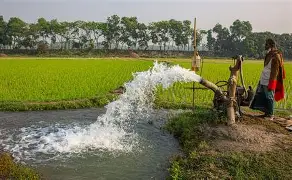
Thousands of irrigation pumps have stopped functioning in key agricultural regions, including Rajshahi, Cox’s Bazar, Barishal, Jamalpur, Mymensingh, Rangpur, Khulna, Cumilla, Munshiganj and Gopalganj, as farmers struggle to secure both fuel and electricity during a critical stage of crop growth.

The disruption comes at a sensitive period for boro cultivation, when consistent irrigation is essential for grain formation. Agricultural experts warn that any prolonged interruption could significantly reduce yields.

In Rajshahi, only 8 to 10 of the region’s 46 fuel stations are supplying diesel on a daily basis, triggering long queues of farmers—some waiting overnight. Many report paying 15 to 20 taka above the government-set price per litre in informal markets.

“We can only buy small amounts of diesel, which run the machines for a few hours, while our fields need irrigation for much longer,” said a local farmer.

Officials at Padma Oil Company Limited said overall supply levels remain close to previous volumes, but demand has surged sharply. Distribution has also been disrupted by logistical constraints, with fuel transport increasingly reliant on more expensive road routes instead of rail.

In Cox’s Bazar, more than 4,200 irrigation pumps are reportedly out of operation due to diesel shortages. With nearly 70 percent of irrigation systems dependent on diesel, around 25,000 hectares of farmland are facing inadequate water supply.

“More than half of the pumps are not functioning properly due to fuel shortages,” said a senior agriculture official in the district, warning of significant crop losses if the situation persists.

Barishal, another major rice-producing region, is also under pressure. Of its roughly 74,000 diesel-powered irrigation pumps, many are struggling to operate despite a daily demand exceeding 500,000 litres of fuel. Officials say uninterrupted irrigation must be maintained until mid-May to meet production targets.

In Jamalpur, farmers have been lining up at fuel stations since dawn, often returning without diesel. Fields in several areas have begun to dry out, and young rice plants are showing signs of stress.

Conditions in Rangpur have become particularly severe, with large tracts of farmland cracking under intense heat due to lack of irrigation. Authorities warn that production targets for more than 132,000 hectares of boro cultivation may not be achieved if fuel supplies are not restored quickly.

The crisis has been exacerbated by frequent load-shedding across the country. Electrically powered irrigation systems have also been rendered ineffective during prolonged outages, leaving farmers with limited alternatives.

Agriculture experts say the next 10 to 15 days will be critical. Without immediate intervention to stabilize diesel supply and ensure reliable electricity, Bangladesh risks a substantial drop in rice production, potentially affecting national food reserves and market stability.

Government officials say efforts are underway to improve fuel distribution, but uncertainty persists among farmers as they attempt to safeguard crops during one of the most crucial phases of the growing season.

Akshay Kumar’s ‘Bhoot Bangla’ Crosses ₹100 Crore in Just Four Days

DHAKA, April 21, 2026 — Bollywood star Akshay Kumar has made a powerful return at the box office, as his latest film Bhoot Bangla has surpassed the ₹100 crore mark worldwide within just four days of its release.

The horror-comedy, directed by Priyadarshan, hit theaters on April 18 and quickly gained momentum, collecting approximately ₹106 crore globally by April 21, according to Indian media reports.
However, the film experienced a slight slowdown on its first weekday. On Monday, the fourth day of release, it earned around ₹6.75 crore net in India—lower than its weekend performance, which is considered a typical trend in box office cycles.

Co-starring Wamiqa Gabbi, Bhoot Bangla blends elements of horror and comedy. While audience reactions have been mixed, the film’s strong opening indicates significant commercial appeal.
Despite facing competition from other big-budget releases and the ongoing excitement of the Indian Premier League, the film’s early success has sparked renewed optimism within the Bollywood industry.