
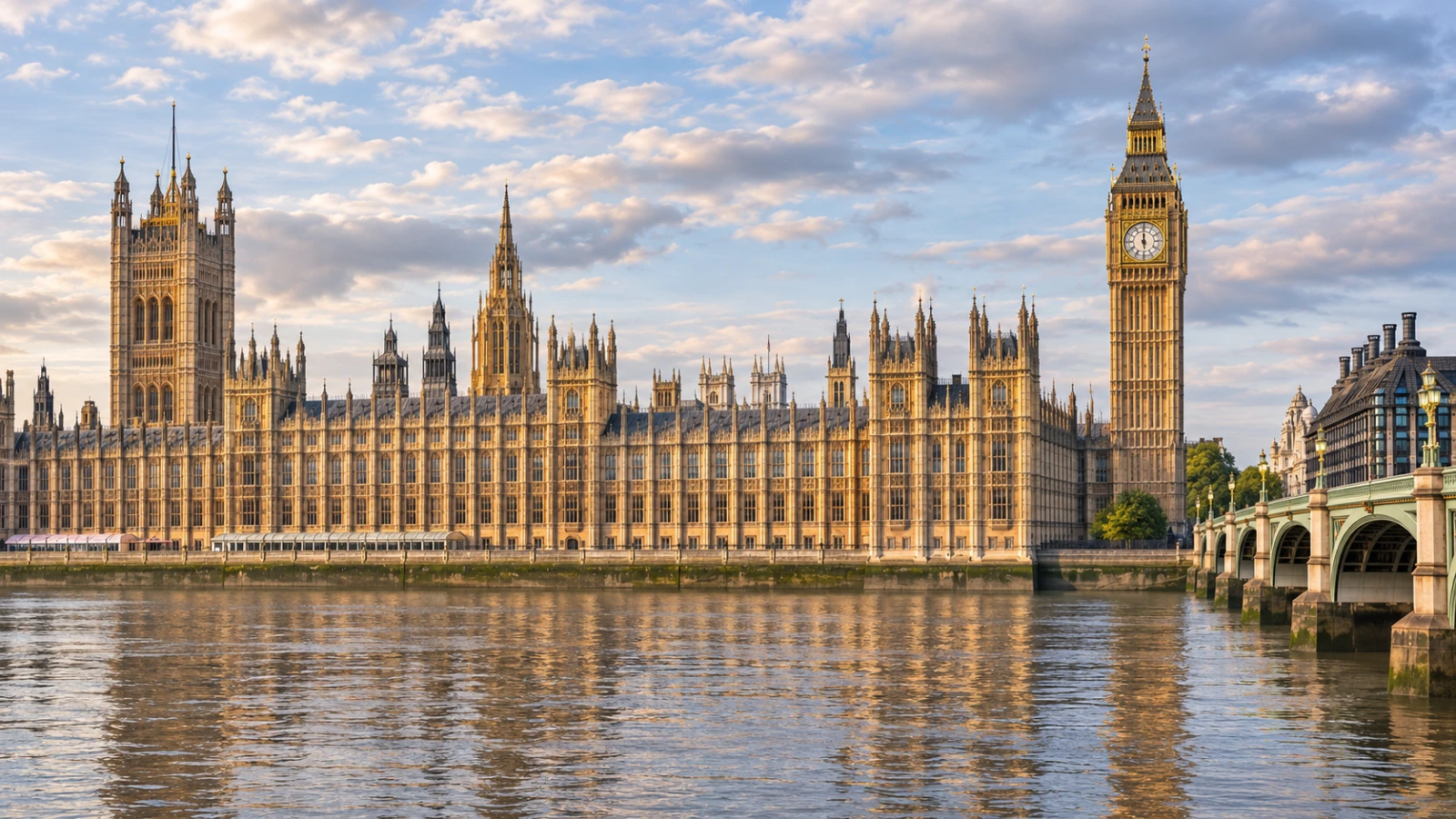
In a letter to the Foreign, Commonwealth and Development Office, lawmakers call for diplomatic intervention, protection against the death penalty, independent judicial review and an inclusive political reconciliation process.
Several British MPs, former parliamentarians and politicians have written to the UK government urging it to take diplomatic initiatives to ensure the safe return of former Bangladesh Prime Minister Sheikh Hasina and promote political reconciliation in the country.
In a letter addressed to the Secretary of State at the Foreign, Commonwealth and Development Office (FCDO), the lawmakers expressed concern over what they described as the politicisation of Bangladesh’s judicial system and called for steps to depoliticise the process.
Led by Conservative MP Bob Blackman, the British lawmakers urged the FCDO to lead a coordinated diplomatic initiative to address the politicisation of the justice system, ensure effective safeguards ahead of Hasina’s return and support an inclusive process of mediation and political reconciliation.
They said Bangladesh’s current situation was a matter of concern for the United Kingdom, particularly given the country’s membership in the Commonwealth.
The letter stated that their principal concern was the use of the criminal justice system as an instrument for dealing with political conflict. While serious allegations against Hasina should be independently investigated and fairly adjudicated, the lawmakers stressed that such proceedings must not become instruments of political revenge or exclusion.
They warned that procedural reforms would have limited value unless judicial decisions, court proceedings and detention arrangements were protected from political interference.
Hasina has indicated plans to return to Bangladesh in December, although the timing and arrangements remain uncertain. Her conviction in absentia and the death sentence imposed on her, the letter said, make advance diplomatic engagement particularly urgent.
Citing concerns raised by Human Rights Watch, the lawmakers pointed to questions surrounding Hasina’s access to legal representation of her choice and her ability to effectively participate in her own defence.
The letter also stressed that victims of the violence of July and August 2024 and other serious human rights violations in Bangladesh deserve truth, justice and effective remedies.
It called for credible follow-up to the findings of the UN Office of the High Commissioner for Human Rights (OHCHR), arguing that individual accountability must be established through independent judicial proceedings and evidence-based assessments.
“We seek neither impunity nor a predetermined outcome,” the lawmakers said, emphasising that accountability must apply to all individuals.
They added that their concerns extended beyond Hasina’s case. In a joint letter sent to then-chief adviser Muhammad Yunus on October 19, 2025, six international human rights and civil society organisations had urged his administration to end arbitrary arrests and detention, withdraw politically motivated cases and ensure fair trials regardless of political affiliation.
The British lawmakers outlined four key areas in which they want the UK government to take action.
1. Protection against the death penalty and other serious harm
They called for an unequivocal written commitment from the relevant Bangladeshi authorities that the death sentence against Hasina would not be carried out, alongside the necessary legal measures to implement that commitment.
They also urged safeguards against torture, enforced disappearance, coercion, extrajudicial harm and foreseeable violence during her arrival in Bangladesh, any transfer, court appearances and detention.
Such commitments, they said, should identify the officials responsible for implementation, allow independent verification and include emergency response arrangements in case of violations.
The UK should also support efforts to establish a moratorium on capital punishment in Bangladesh.
2. Independent review and effective legal remedies
The letter called for meaningful opportunities to appeal and challenge the conviction and death sentence through independent judicial review.
Hasina’s lawyers, selected according to her own wishes and instructions, should be allowed to participate effectively in the proceedings.
The lawmakers also called for clear legal grounds for any detention order and prompt, continuous and independent judicial scrutiny.
They said the right to defence must include confidential access to legal counsel, timely disclosure of relevant information and documents, adequate preparation time and an effective opportunity to cross-examine witnesses. The safety of lawyers and witnesses must also be guaranteed.
3. Independent investigations and international monitoring
The British lawmakers urged the UK government to engage with OHCHR to establish appropriate mechanisms for reviewing outstanding evidentiary questions and credible allegations of interference in judicial proceedings.
Any further investigation, they said, should build on existing findings and evidence rather than unnecessarily duplicate previous work. It should also have a publicly defined mandate, an independent appointment process, effective access to evidence and witness protection arrangements.
They called for meaningful access for qualified independent observers to court proceedings and relevant detention safeguards, along with the freedom to publish their assessments.
Monitoring, they emphasised, should ensure genuine oversight and accountability rather than merely lend legitimacy to judicial proceedings through the presence of observers.
4. Mediation and political reconciliation
The lawmakers urged the UK to work with international partners to provide diplomatic support for a Bangladesh-led, inclusive mediation and reconciliation process.
They proposed consulting different stakeholders in Bangladesh to explore the appointment of a neutral mediator acceptable to the parties involved. Such a mediator could facilitate sustained dialogue involving political parties, victims’ representatives and independent civil society organisations.
The immediate objective, they said, should be to secure commitments against political violence, retaliatory actions and intimidation, while establishing consensus that criminal proceedings would not be used to exclude peaceful political opponents.
Long-term dialogue should address judicial independence, equal rights and peaceful political participation.
The letter stressed, however, that reconciliation must not come at the cost of accountability for serious crimes and human rights violations or become an arrangement offering impunity.
It also called on Hasina and Awami League leaders to cooperate with independent investigations and lawful judicial proceedings, refrain from violence or incitement to violence, and respect the safety of victims, witnesses and political opponents.
The lawmakers insisted that the same standards must apply to every political side, including those currently in power, adding that fundamental rights cannot depend on allegiance to any political party.
In an accompanying annex, they outlined practical proposals for implementing their recommendations.
They urged the FCDO to instruct the British High Commission in Dhaka to conduct urgent and coordinated diplomatic engagement with the Bangladesh government, diplomatic missions of partner countries and OHCHR on protection measures, independent review and mediation.
If an agreement cannot be reached, the UK should consult relevant UN bodies and international partners on alternative arrangements for monitoring and preserving evidence, the letter said.
The signatories also requested a meeting with the FCDO and asked for a written response within 14 days, setting out the diplomatic initiatives the UK intends to undertake, steps to explore mediation and a timeline for engagement with the relevant parties.
Dhaka , 8 November



COMMENTS