
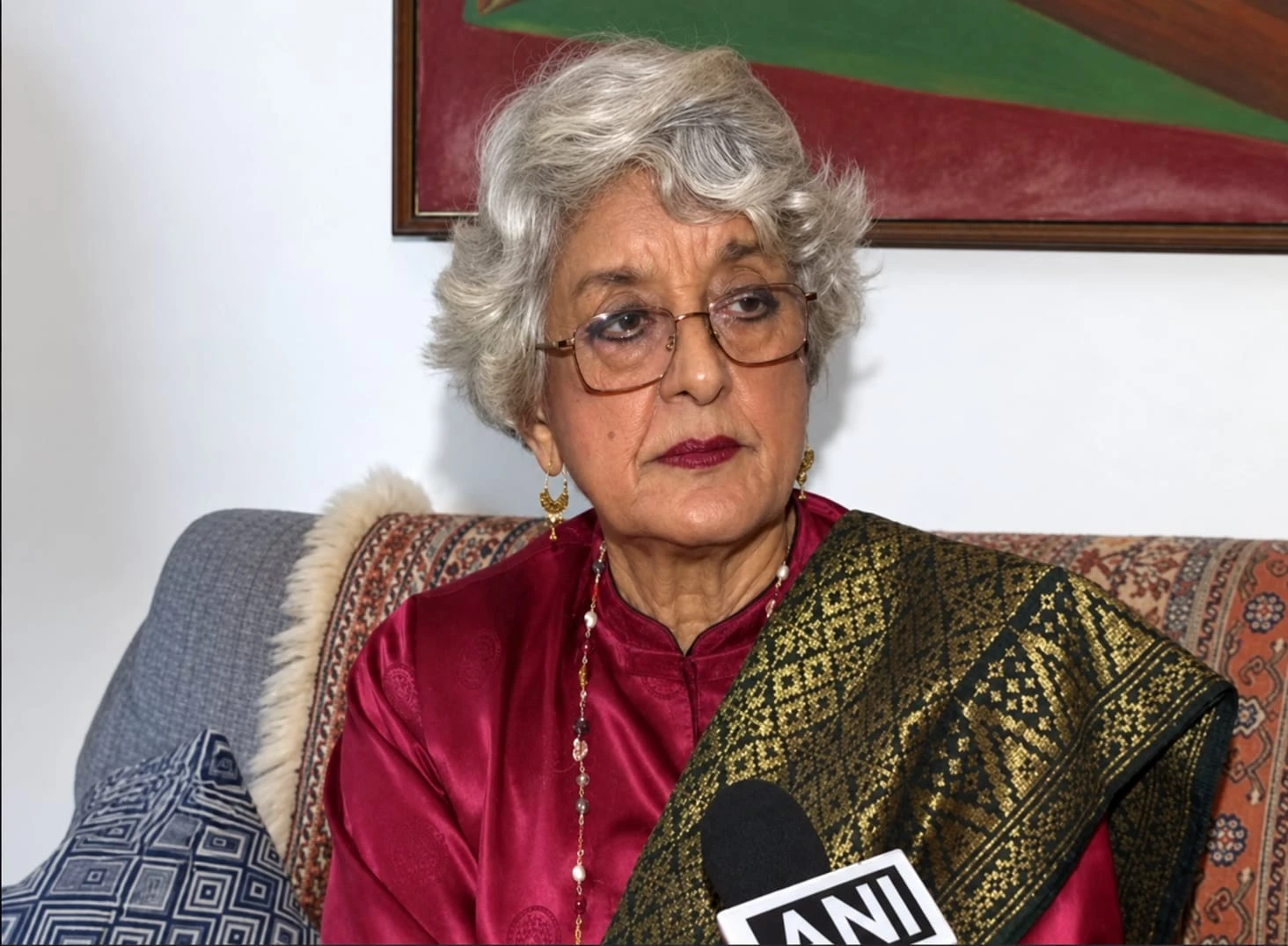
Former Indian High Commissioner to Bangladesh Veena Sikri has questioned whether Bangladesh is “playing with fire” by allowing Islamist political forces, particularly Jamaat-e-Islami, and Pakistan to gain greater influence in the country’s politics under Prime Minister Tarique Rahman.
In an interview, Sikri said Islamist footholds in Bangladesh had become increasingly entrenched following the ouster and departure of former Prime Minister Sheikh Hasina. She argued that the country’s current political leadership should recognise the possible long-term consequences of allowing such forces greater political space.
Sikri also criticised Bangladesh for rejecting various initiatives offered by the Indian government, arguing that Dhaka had made a mistake by rebuffing New Delhi’s overtures.
Sikri served as India’s High Commissioner to Bangladesh from December 2003 to November 2006. In her latest interview, she was asked how she viewed the current political situation in Bangladesh, particularly the rise of Jamaat-e-Islami and the growing influence of Islamist groups.
She was specifically asked whether Bangladesh was moving towards becoming “Pakistan 2.0” amid the rise of Jamaat and what she described as the lack of effective restrictions on Islamist activities.
Sikri responded that the nature of the political transition that took place in Bangladesh in 2024 needed to be examined first.
In her view, the events of 2024 were not simply a student uprising. She described them as a “carefully planned and meticulously designed regime-change operation.”
She further argued that this interpretation raised questions about the legitimacy of several subsequent decisions taken under the interim administration led by Muhammad Yunus, including the circumstances surrounding Sheikh Hasina’s departure from Bangladesh and the decision to ban the Awami League.
Sikri said the political influence of Islamist forces had become increasingly visible since Hasina’s removal from power, with Jamaat-e-Islami emerging as one of the key political forces in the changed landscape.
She also raised concerns over what she described as the growing space being provided to Pakistan in Bangladesh’s political affairs. According to Sikri, allowing Jamaat-e-Islami and Pakistan to gain greater influence could have long-term implications for Bangladesh’s political institutions and governance.
Addressing Prime Minister Tarique Rahman, Sikri said he should recognise the risks associated with allowing Islamist forces to expand their influence. She described the situation as “playing with fire” and warned against allowing Islamists to “run riot.”
Sikri also expressed concern about Bangladesh’s religious minorities, warning that they could face what she described as an “existential crisis” amid the country’s changing political environment.
Her remarks come as relations between Bangladesh and India remain an important regional issue. Sikri has previously commented on Tarique Rahman’s proposed engagement with India, including his planned visit to New Delhi and the future direction of bilateral relations.
However, Sikri’s characterisation of Jamaat-e-Islami and its alleged links with Pakistan has previously been rejected by the party. In March 2025, Jamaat Secretary General Mia Golam Porwar condemned similar remarks by Sikri as “baseless” and denied her allegations concerning the party’s relationship with Pakistan.
Sikri’s latest comments therefore present her assessment of Bangladesh’s political trajectory, particularly the role of Jamaat-e-Islami, Pakistan and the country’s post-2024 political realignment, while the parties and actors she criticised have disputed some of her earlier characterisations.


COMMENTS