
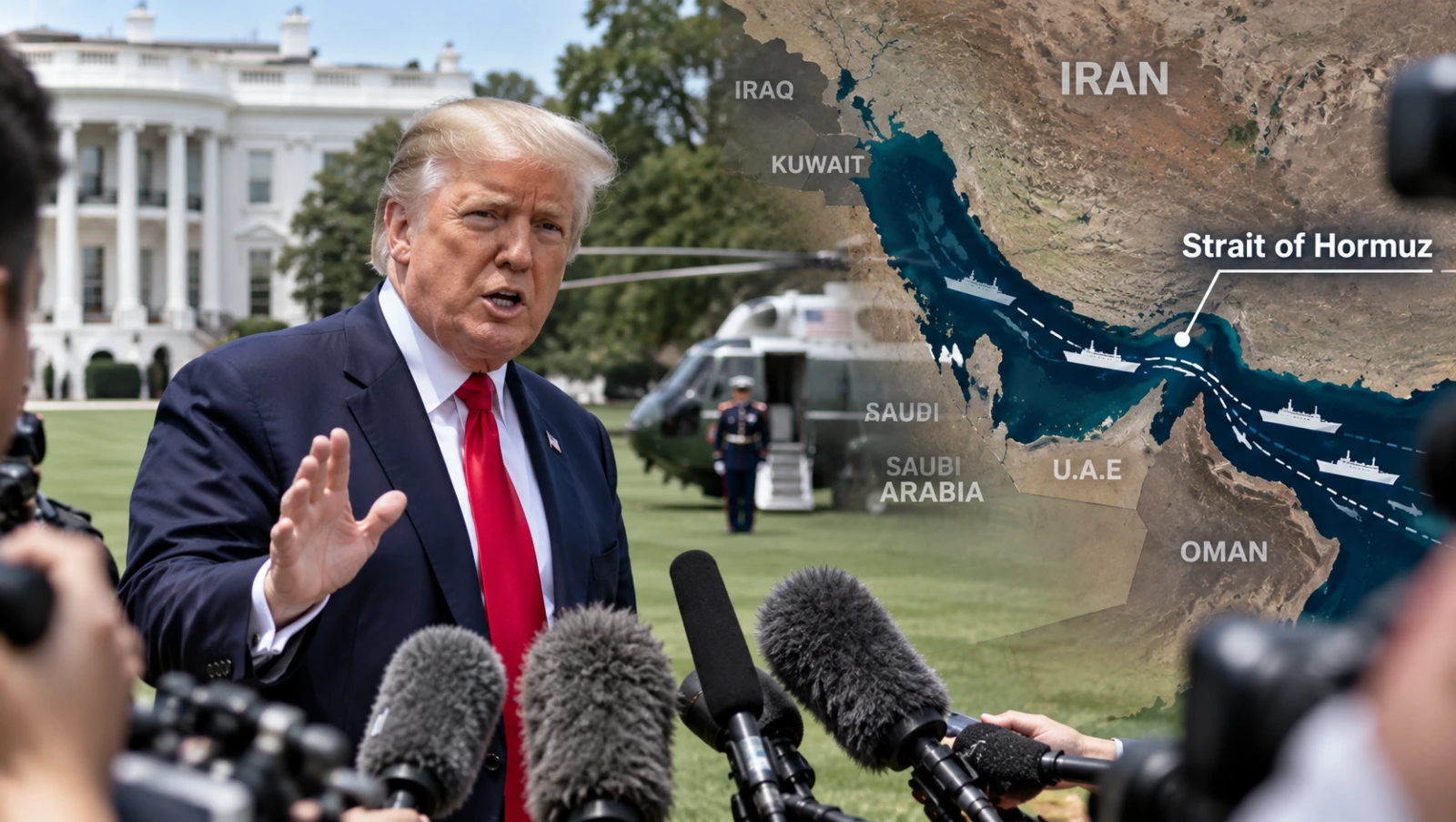
Speaking to reporters at the White House, Trump said Iran was seeking a deal because it had come under severe pressure during the conflict.
“I’m rejecting their proposal. They want to make a deal, and I like making deals. But this particular deal is not acceptable,” Trump said.
Trump also claimed that the US military currently had “full control” of the strategic waterway and that substantial volumes of oil were continuing to move through the strait.
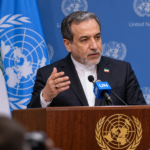
Earlier, Iranian Foreign Minister Abbas Araghchi and President Masoud Pezeshkian said at the United Nations that normal maritime traffic could resume within seven days if the United States agreed to implement a 14-point memorandum of understanding reached in Pakistan in June.
The proposed framework reportedly included lifting the US blockade, easing sanctions and halting attacks by both sides.
However, former US National Security Council official Kirsten Fontenrose indicated that the June memorandum was viewed by the Trump administration as a poor agreement, leaving little prospect of reviving it through negotiations.
The Wall Street Journal has also reported that Trump could order a fresh bombing campaign against Iran, adding to concerns over a possible escalation of the conflict.
The Strait of Hormuz has remained closed or severely disrupted since the war began at the end of February, creating major uncertainty for global energy supplies and contributing to volatility in oil markets.
The standoff is also creating economic pressure on both sides. Trump faces domestic economic concerns ahead of the US congressional elections in November, while Iran has been hit hard by US economic sanctions.
Meanwhile, Iran-aligned Houthi forces in Yemen have intensified efforts around the strategic Bab al-Mandab Strait, reportedly seeking to disrupt Saudi oil exports through the Red Sea.
The developments have added to uncertainty over energy security across the wider Middle East, with disruptions at both the Strait of Hormuz and the Red Sea threatening key global shipping and energy routes.

COMMENTS