
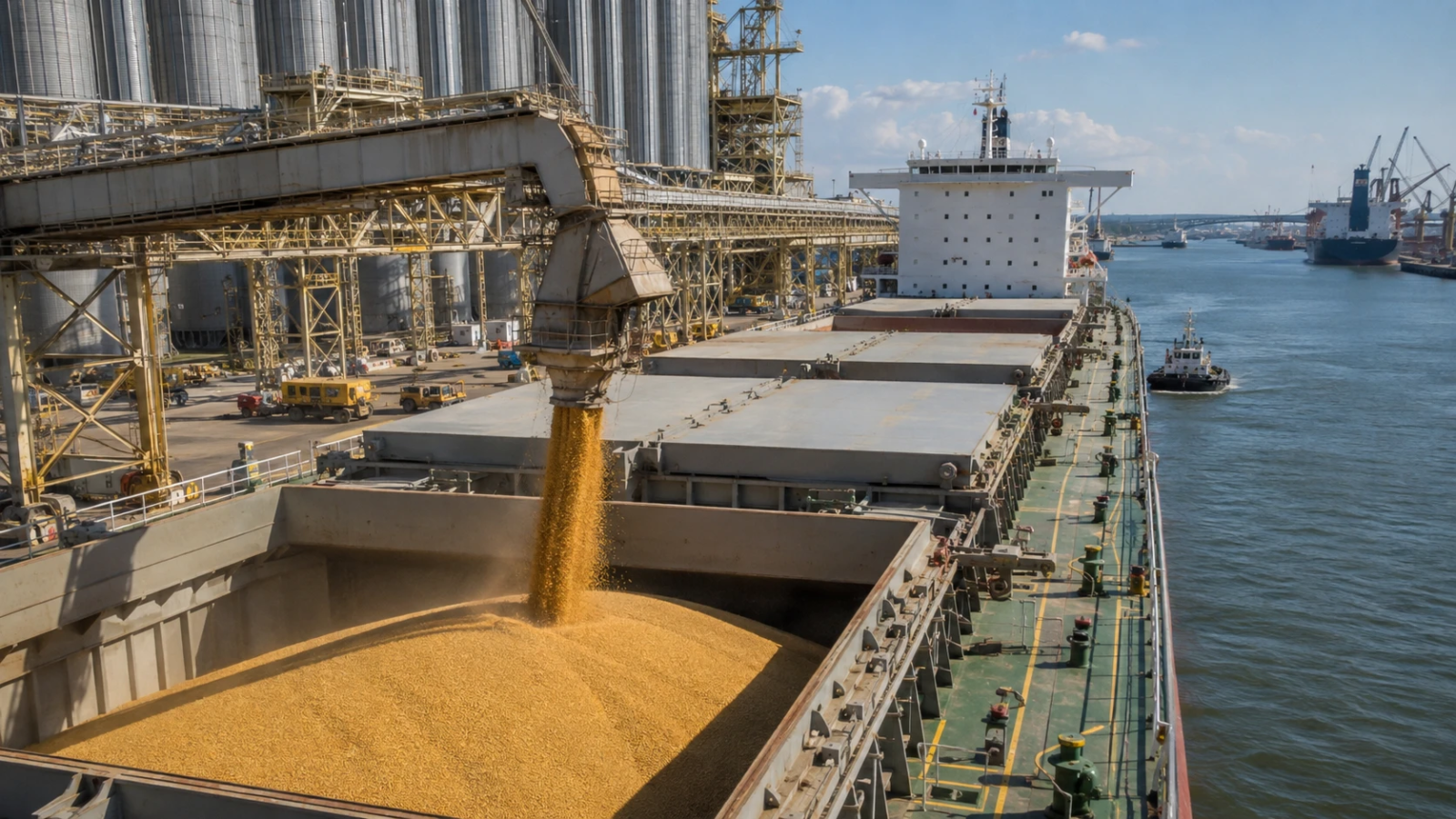
BEIJING/WASHINGTON — Aug. 12, 2026: Chinese state-owned companies have begun buying large volumes of soybeans from the United States, taking advantage of a more than 5% decline in global prices while seeking to meet commitments under a bilateral trade agreement, traders said.
Chinese state buyers have purchased nearly 1 million tonnes of US soybeans, according to market participants. The US Department of Agriculture (USDA) has so far confirmed sales of about 500,000 tonnes, Reuters reported.
Chinese buyers have booked 14 to 16 cargoes of US soybeans, according to international trade data. About eight shipments are expected to depart from ports along the US Gulf Coast, while another six are scheduled to leave from the Pacific Northwest.
The cargoes are due to arrive in China during October and November, traders said.
Sinograin leads purchases
The buying is being led by Sinograin, China’s state-owned agricultural trading company.
The purchases are also being viewed as a potential effort by Beijing to create a more favourable atmosphere ahead of a proposed visit by Chinese President Xi Jinping to the United States in September.
Soybeans have emerged as a key commodity in the trade relationship between the world’s two largest economies. China is the world’s biggest soybean importer, while the United States is one of the world’s major soybean exporters.
Under a bilateral understanding, China has committed to purchasing 25 million tonnes of US soybeans annually through 2028.
China has already purchased more than 4 million tonnes of US soybeans so far this year, putting purchases on track for their highest level in four years, according to traders and market data.
Tariffs remain a concern
Despite the recent buying spree, uncertainty remains over whether China’s private-sector importers will resume significant purchases if tariffs on US agricultural products remain in place.
State-owned companies have greater flexibility to make purchases as part of government-directed trade commitments, while private importers remain more sensitive to the commercial impact of tariffs and other trade restrictions.
The latest purchases therefore represent both a significant commercial transaction and a potentially important signal in the broader US-China trade relationship.
For US farmers and exporters, stronger Chinese demand could provide support to soybean prices and export volumes after a period of weak international prices.
For Beijing, increasing purchases from the United States could help meet its trade commitments while also reducing supply costs and easing tensions ahead of potentially important diplomatic talks.






COMMENTS