
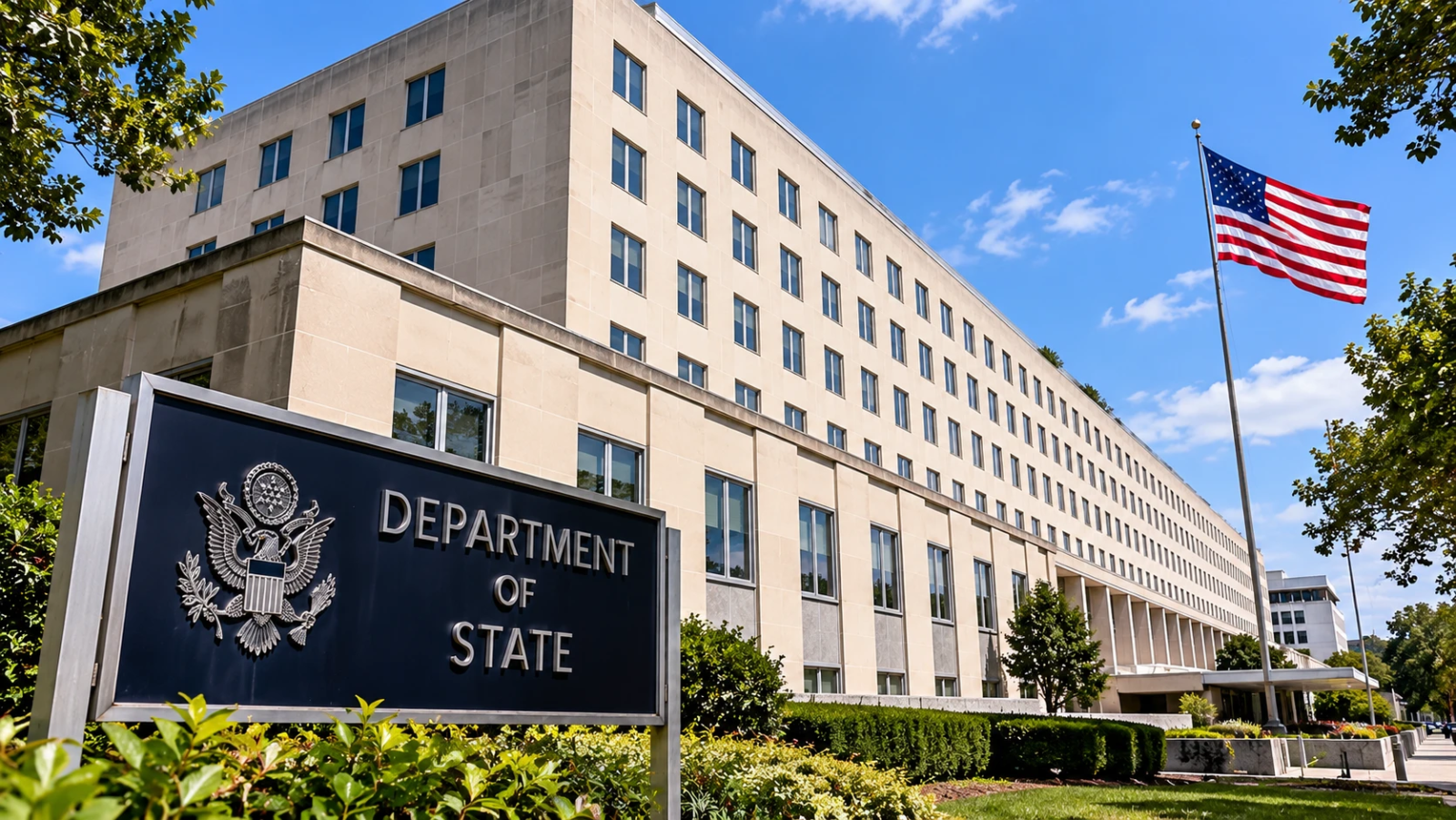
The United States has revoked more than 250,000 visas since President Donald Trump took office, as the administration has tightened visa screening and stepped up measures against illegal immigration, a State Department official told Fox News Digital.
State Department spokesperson Tommy Pigott said the department had reached the figure under Trump and Secretary of State Marco Rubio, describing it as a significant milestone in efforts to protect the American public.
According to the State Department, visa cancellations have targeted foreign nationals who violated the terms of their visas, became involved in criminal activity, called for violence against the United States or Americans, defrauded US citizens, abused the immigration system or posed a threat to national security.
Pigott said every visa decision involves a national security consideration, stressing that a US visa is “an opportunity, not a right.” He added that the department would continue its screening process to identify individuals considered threats to community safety.
Among the revoked visas were about 2,300 linked to so-called “birth tourism,” in which pregnant foreign nationals travel to the United States with the intention of giving birth there and obtaining US citizenship for their children.
On Monday, the US authorities also revoked the visas of 27 current and former Latin American officials and their family members from Bolivia, Colombia, Ecuador and Peru over allegations of corruption.
The Trump administration also began preparing this summer to revoke the B1 and B2 business and tourist visas of about 200,000 foreign nationals who subsequently applied for asylum.
Deputy Secretary of State Christopher Landau said on X that Americans were increasingly frustrated with what he described as fraudulent asylum claims, arguing that such applications exploited legal loopholes and contributed to a backlog in the immigration court system.
The latest figures follow the cancellation of more than 175,000 visas by the State Department in August. Those cancellations were primarily linked to encounters with law enforcement over allegations involving assault, driving under the influence, theft and drug-related offenses.



COMMENTS