July 13 — An International Monetary Fund (IMF) official has commended Pakistan’s economic reform efforts as “strong,” citing notable progress under the country’s $7 billion Extended Fund Facility (EFF) and its climate-focused Resilience and Sustainability Facility (RSF).
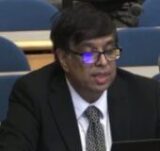
Speaking at a guest lecture hosted by the Sustainable Development Policy Institute (SDPI), IMF Resident Representative Mahir Binici highlighted Pakistan’s performance under the EFF as a key milestone in restoring macroeconomic stability and rebuilding investor confidence. The program, initiated in July 2024 and approved two months later, aims to foster inclusive and resilient growth.
“Early policy measures have helped restore macroeconomic stability despite persistent external challenges,” Binici stated, adding that the successful first review of the EFF, including agreement on the federal budget blueprint, marked a significant achievement.
Binici emphasized the importance of structural reforms for long-term sustainability, particularly those enhancing tax equity, improving the business climate, and encouraging private-sector-led investment. He reaffirmed the IMF’s continued support for Pakistan’s broader economic and climate reform agenda.
In March, Pakistan secured an additional $1.3 billion under the RSF to bolster resilience against climate-related vulnerabilities. Key reform areas include sustainable water resource management, disaster preparedness, and improved transparency in climate-related data.
Binici also addressed regional economic trends, noting that growth across the Middle East and North Africa (MENA) region, including Pakistan, is expected to strengthen in 2025 and beyond. However, he cautioned that global uncertainties—such as trade tensions and geopolitical fragmentation—continue to pose risks to economic recovery.
SDPI Executive Director Dr. Abid Qaiyum Suleri welcomed the IMF’s engagement, underscoring the value of informed dialogue and multilateral cooperation in Pakistan’s path toward sustainable development.
The lecture concluded with an interactive discussion on fiscal and monetary policy frameworks, external buffers, and the role of international institutions in fostering inclusive growth.
IMF Praises Pakistan’s Robust Economic Reform Progress Under $7 Billion Aid ProgramISLAMABAD,