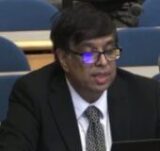

British Member of Parliament Bob Blackman has strongly criticized interim Bangladeshi leader Dr. Muhammad Yunus, raising serious concerns in the UK Parliament about what he described as “weak and failing leadership” in Bangladesh. The MP’s comments, made during a parliamentary session this week, have sparked a fresh wave of international scrutiny over the direction of Bangladesh’s current political transition.
Using the social media platform X (formerly Twitter), MP Blackman wrote, “#Yunus is failing #Bangladesh, & world is watching! British MP @BobBlackman raised crisis of weak leadership in #Bangladesh in #UK Parliament. #Yunus should be warned—his miscreant activities won’t last much longer.”
A Direct Rebuke of Yunus
Blackman’s remarks are among the most direct criticisms from a Western legislator since Muhammad Yunus assumed the role of interim leader in the wake of Sheikh Hasina’s resignation earlier this year. While the post-Hasina transitional government initially drew cautious support from Western capitals, criticism is now mounting over governance instability, human rights concerns, and alleged backchannel political maneuverings by Yunus and his associates.
Describing Yunus’s actions as “miscreant,” Blackman warned that such activities “won’t last much longer,” signaling a tougher line from parts of the UK political establishment. Though no formal diplomatic statement has been issued by the British government, the intervention by a sitting MP could reflect growing unease in Westminster over the unfolding crisis in Dhaka.
International Attention Intensifies
The UK Parliament has recently held multiple discussions on the situation in Bangladesh, especially amid growing tensions between supporters of the former Awami League government and the current administration. Human rights groups, South Asian diaspora communities in Britain, and some British lawmakers have expressed concerns about democratic backsliding, suppression of media, and the takeover of key institutions by Yunus-aligned figures.
Bob Blackman’s comments may be seen as representative of a broader political current within British conservatism that supports democratic stability and is wary of left-leaning or activist figures in positions of executive power—particularly if those figures appear to bypass electoral legitimacy.
Implications for UK-Bangladesh Relations
The remarks could also complicate UK-Bangladesh relations, which have traditionally been stable due to deep cultural, educational, and trade ties. Muhammad Yunus, a Nobel Peace Prize laureate, has long enjoyed respect in the West for his work in microfinance and poverty alleviation. However, his recent political actions and administrative decisions as interim leader have drawn criticism not only from domestic political opponents in Bangladesh but now increasingly from foreign observers.
Whether the UK government formally distances itself from Yunus or opens direct dialogue on the governance crisis remains to be seen. Nonetheless, Blackman’s intervention is a signal that international patience may be wearing thin.