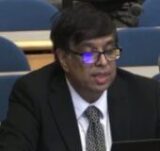

Geneva, July 4, 2025 — The United Nations Human Rights Council (UNHRC) decisively rejected Eritrea’s attempt to terminate the mandate of a U.N. special rapporteur investigating human rights abuses in the country—a rare move, signaling a strong rebuke to Asmara’s bid to evade international scrutiny.Eritrea, one of the few nations under a U.N. investigative mandate, brought a motion to end the tenure of Sudanese lawyer Mohamed Abdelsalam Babiker, the Special Rapporteur on Eritrea. In an unprecedented action, only four of the 47 Council members voted in favor, while 25 opposed and 18 abstained .The motion’s failure cleared the way for a counter-resolution proposed by the European Union, extending the mandate for another year. Advocates, including rights organizations and diaspora representatives, hailed the decision as crucial to maintaining external oversight on rampant abuses in Eritrea .In Babiker’s latest report, he warned that Eritrea’s human rights situation remained “critical,” with unchecked arbitrary detentions, indefinite national and military service, enforced disappearances, and a surge in migration fueled by repression . He emphasized that without the mandate, victims would lose a vital channel for accountability.African advocates, including DefendDefenders, applauded the decision, calling the rapporteur an “indispensable” voice for both survivors within Eritrea and the diaspora abroad .European Union representatives warned that ending the mandate would invite “impunity and repression” across the region . They argued the move would create a dangerous precedent, allowing states to block scrutiny simply by lodging objections at the international level.Eritrea’s chargé d’affaires in Geneva, Habtom Zerai Ghirmai, condemned the outcome, accusing Western nations of displaying a “neo‑colonial saviour mentality.” Supporters of Eritrea’s motion included Iran, Sudan, Russia, and China—nations also under human rights-focused review—marking a stark divide amid global stances on sovereignty and accountability .This confrontation signals an ideological split in the Council: while some members champion sovereignty and minimal interference, Western nations and NGOs argue that persistent violations by closed regimes require ongoing independent monitoring.The renewed mandate ensures that Babiker will continue to report on Eritrea through mid-2026, keeping pressure on Asmara to make meaningful reforms and adhere to international norms.