
November 25, 2026
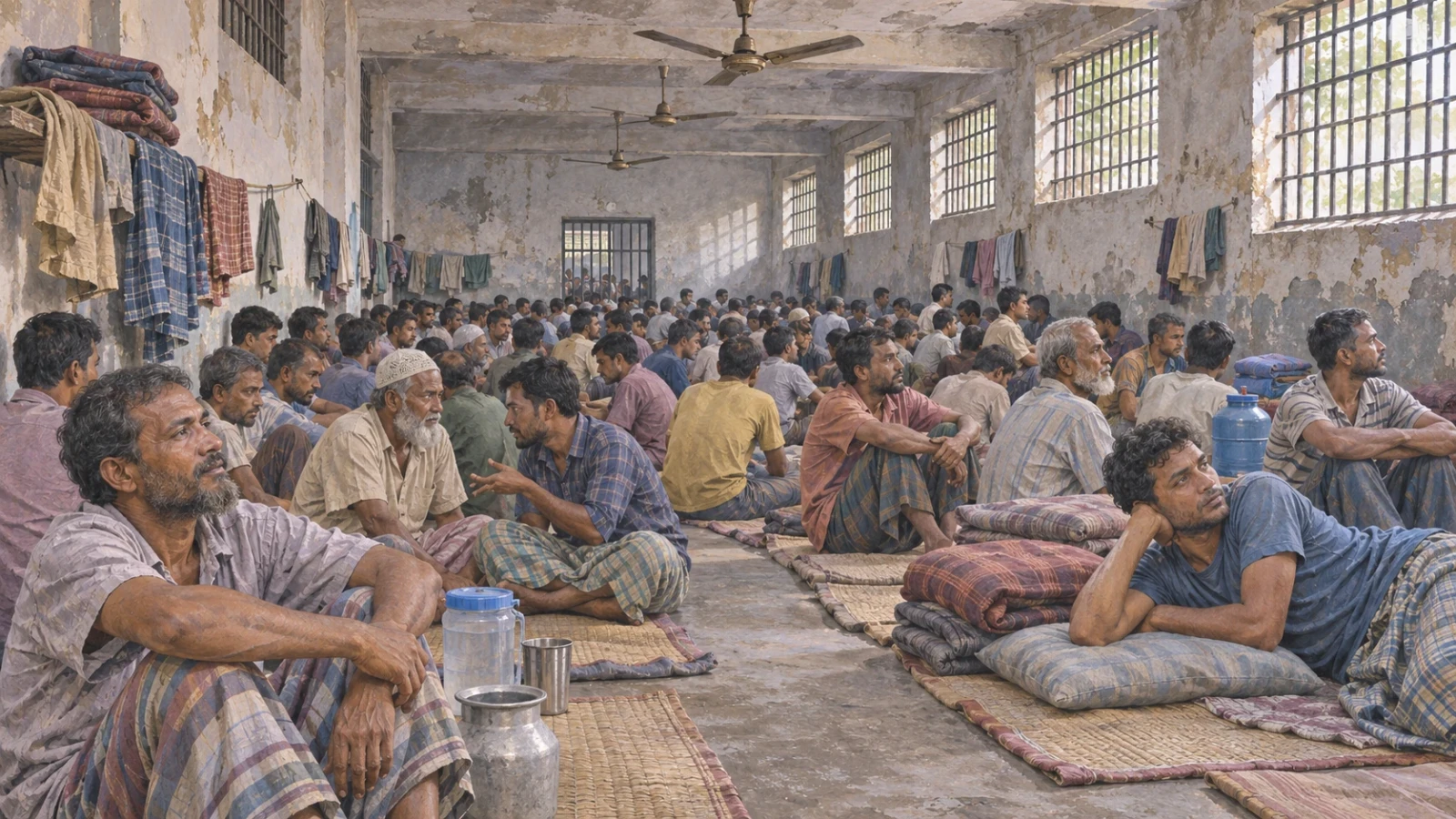
Bangladesh’s prison system is facing a mounting humanitarian crisis as the number of inmates has surged to more than two-and-a-half times the country’s total prison capacity, putting enormous pressure on accommodation, sanitation, healthcare and daily administration.
According to data from the Department of Prisons, the country’s 68 prisons have a combined capacity of 45,186 inmates. However, as of November 23, a total of 116,956 prisoners were being held across these facilities, exceeding capacity by 71,770.
William Plans to Strip Harry, Meghan and Their Children of Royal Titles
In other words, around 259 inmates are currently living in spaces originally designed to accommodate just 100 people.
Overcrowding Puts Pressure on Basic Facilities
The overcrowding has significantly affected prisoners’ living conditions, depriving many of adequate sleeping space, ventilation and access to hygienic facilities. The situation has also raised concerns about the physical and mental health of inmates.
Of the total prison population, 4,020 are women, while 2,483 prisoners are on death row and 170 enjoy division status.
The recent increase in arrests in political cases has further intensified pressure on an already overcrowded prison system. A significant number of arrested individuals remain behind bars, adding to the challenges of managing accommodation, food, healthcare and security.
Healthcare Services Under Growing Strain
Providing adequate medical care has emerged as one of the biggest challenges for prison authorities.
With limited medical staff and facilities, ensuring healthcare for nearly 117,000 inmates has become increasingly difficult. Experts warn that overcrowded living conditions increase the risk of infectious disease outbreaks.
Prisoners suffering from chronic illnesses, including heart disease, kidney disease, diabetes and high blood pressure, are particularly vulnerable due to difficulties in ensuring regular monitoring and treatment.
Emergency medical situations, including heart attacks, strokes and severe breathing difficulties, could become life-threatening if immediate treatment or hospital transfers are delayed.
Concerned stakeholders have also called for proper investigations into whether delays or negligence in medical treatment have contributed to deaths inside prisons.
Human Rights Concerns Grow
Human rights advocates say prison overcrowding should not be viewed merely as an infrastructure problem. It is also a matter of fundamental rights, human dignity and the state’s responsibility towards people in custody.
Human rights activist Abu Ahmed Faizul Kabir said overcrowding was undermining prisoners’ rights to personal space, adequate ventilation, hygienic living conditions, rest and medical treatment.
He warned that congested living arrangements increase the risk of infectious diseases and negatively affect prisoners’ physical and mental health.
“Being imprisoned means having one’s freedom restricted; it does not mean losing one’s human dignity and fundamental rights,” he said.
He also highlighted the difficulties faced by pre-trial detainees who remain in custody for extended periods due to delays in the judicial process.
Calls for Faster Trials and Alternative Sentencing
Faizul Kabir said building new prisons or expanding existing facilities alone would not resolve the crisis.
He stressed the need to reduce delays in judicial proceedings, ensure bail in bailable cases and introduce effective alternatives to unnecessary imprisonment.
He also called for strengthening rehabilitation and reintegration programmes so that prisons could serve not only as places of punishment but also as centres for correction and rehabilitation.
Prison Authorities Struggling to Manage Situation
The growing inmate population has also created significant administrative challenges. Authorities are struggling to maintain security, discipline and essential services with limited infrastructure, manpower and medical resources.
Inspector General of Prisons Brigadier General Md Anwarul Kabir acknowledged the situation.
“This is the reality, and we have to accept it. We are trying to manage the situation temporarily with the resources and support available to us,” he said.
Regarding prisoner deaths and accountability, the prison chief said authorities immediately examine the circumstances surrounding each death.
“If there is any negligence or anyone is found responsible, we take immediate action. Departmental measures are taken against those found accountable,” he added.
Urgent Reforms Needed
Experts and stakeholders warn that the situation could deteriorate further unless prison infrastructure, healthcare facilities and staffing levels are expanded in line with the growing inmate population.
They emphasise that reducing unnecessary detention through judicial and administrative reforms must go hand in hand with improving prison accommodation and medical services.
The growing overcrowding crisis has brought renewed attention to the need for comprehensive prison reform in Bangladesh, with greater emphasis on human rights, timely justice, healthcare and humane living conditions for all inmates.




COMMENTS