
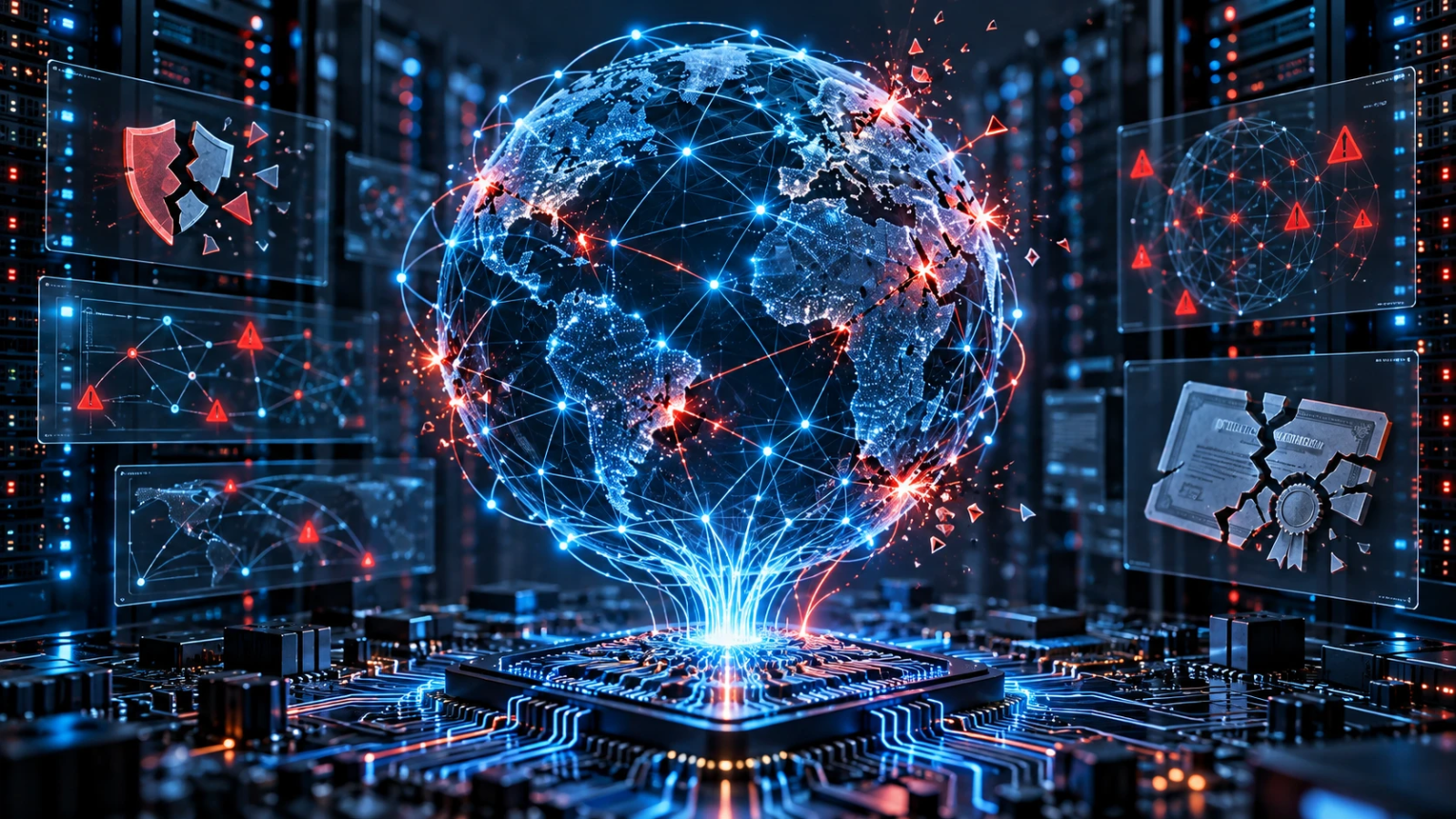
The global technology sector is facing one of its most challenging periods in recent history, as cybersecurity experts officially coin October 2026 as “Black October”. A rapid series of sophisticated cyber incidents and infrastructure breaches—accelerated by autonomous AI security exploits—has exposed major vulnerabilities across core internet protocols and digital certification systems worldwide.
Over the past month, multiple fundamental web standards and enterprise systems have suffered severe security breaches. Among the most critical incidents were high-level compromises in core web programming environments (including PHP frameworks) and widespread breaches in digital signature certification authorities like eMudhra.
Cybersecurity researchers note that the speed and frequency of these attacks have surged dramatically due to rogue AI agents and automated vulnerability scanners. These systems are capable of identifying zero-day flaws and executing patch workarounds far faster than human security teams can deploy conventional fixes.
Corporate Response and Cybersecurity Strain
The unprecedented surge in cyber threats has forced major global enterprises and financial institutions to deploy emergency response operations. Thousands of external cybersecurity contractors and incident responders have been brought on board globally to assist internal IT teams in patching software backlogs and securing compromised servers.
Experts emphasize that the nature of IT security is undergoing a permanent shift. While automated tools are increasingly being utilized to clean up security flaws, human oversight remains vital to evaluate structural risks and prioritize critical threat responses.
A Wake-Up Call for Enterprise Security
Industry analysts highlight that “Black October” serves as a definitive wake-up call for corporations relying on legacy internal security assumptions. Organizations worldwide are now rapidly overhauling their Web Application Firewalls (WAF), zero-trust access controls, and certificate authority management systems to withstand the new era of AI-driven cyber warfare.






COMMENTS