
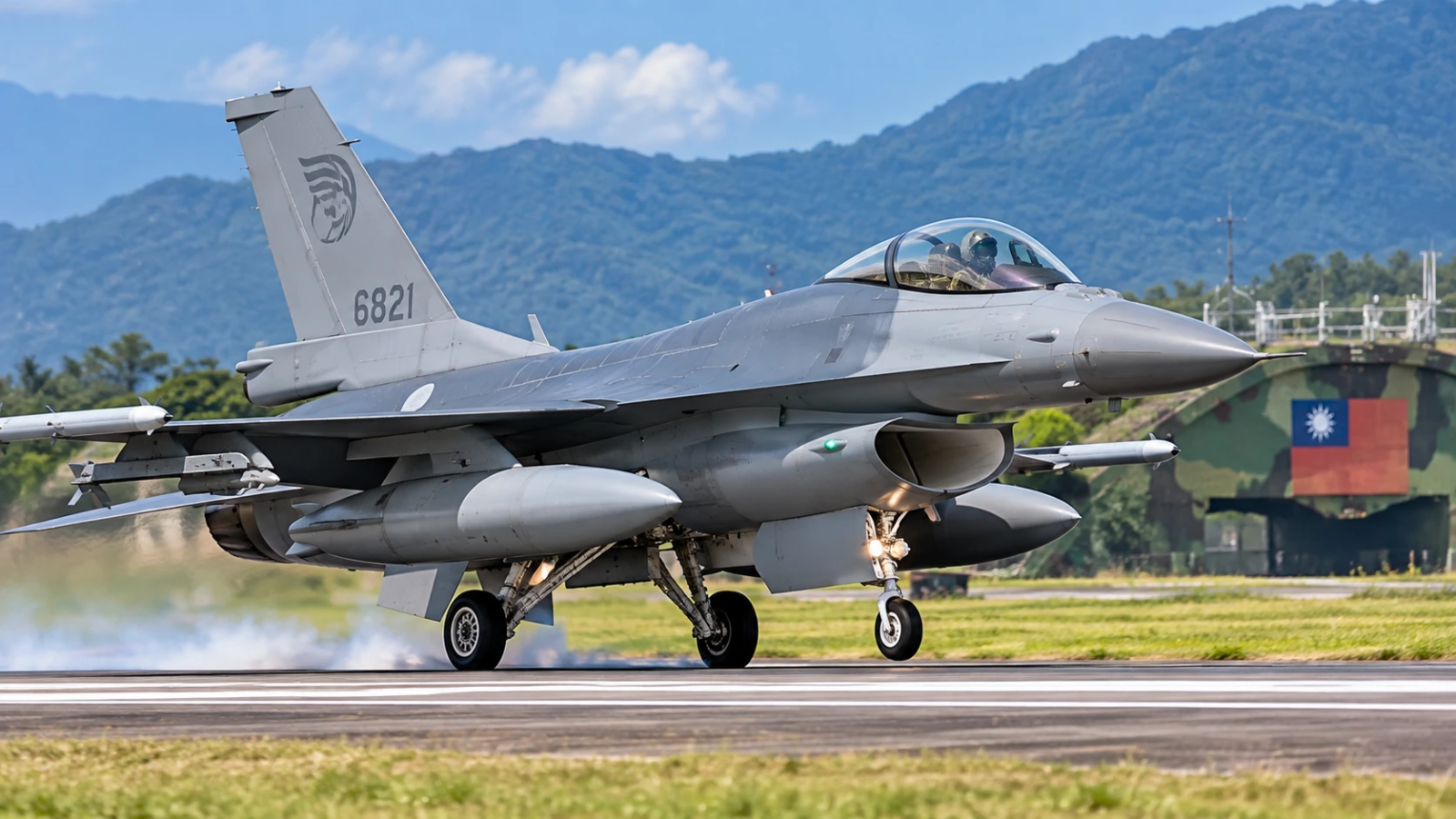
TAITUNG — Taiwan has received the first two of 66 newly purchased F-16V Block 70 fighter jets from the United States, as the self-governed island seeks to strengthen its air defence amid growing military pressure from China.
The two Lockheed Martin-built aircraft landed at Zhihang Air Base in Taitung on Taiwan’s east coast at around noon on Friday. The delivery marks the beginning of a long-delayed programme to upgrade Taiwan’s fighter fleet.
The aircraft reached Taiwan via Hawaii and Guam.
Taiwan has frequently scrambled fighter jets to monitor Chinese military activities around the island. Beijing claims Taiwan as part of its territory and has not ruled out the use of force to bring the island under its control. Taiwan, meanwhile, governs itself democratically.
The United States is Taiwan’s most important international supporter and a major supplier of military equipment. Taipei has repeatedly expressed concern over delays in the delivery of weapons purchased from Washington.
Taiwanese Defence Minister Wellington Koo said in parliament that more new F-16Vs would arrive soon, although he did not provide a specific number or delivery date.
The United States approved the sale of the 66 F-16V aircraft to Taiwan in 2019 in a deal worth about $8 billion. Once the new aircraft are incorporated, Taiwan’s F-16 fleet will exceed 200 jets.
The deliveries have faced delays linked to software and other technical issues.
The first two aircraft arrived about a week after a meeting between US President Donald Trump and Chinese President Xi Jinping in Washington.
In May, Trump said after meeting Xi in Beijing that he had held back approval of a proposed $14 billion arms package for Taiwan. He had previously approved an $11 billion arms package for the island in December 2025.
China has repeatedly urged Washington to stop supplying weapons to Taiwan. China’s Foreign Ministry did not immediately comment on the arrival of the new F-16Vs.
Asked about the aircraft, a US State Department spokesperson said Washington stood with its friends and partners in the Indo-Pacific, including Taiwan, to advance shared prosperity, security and values.





COMMENTS