
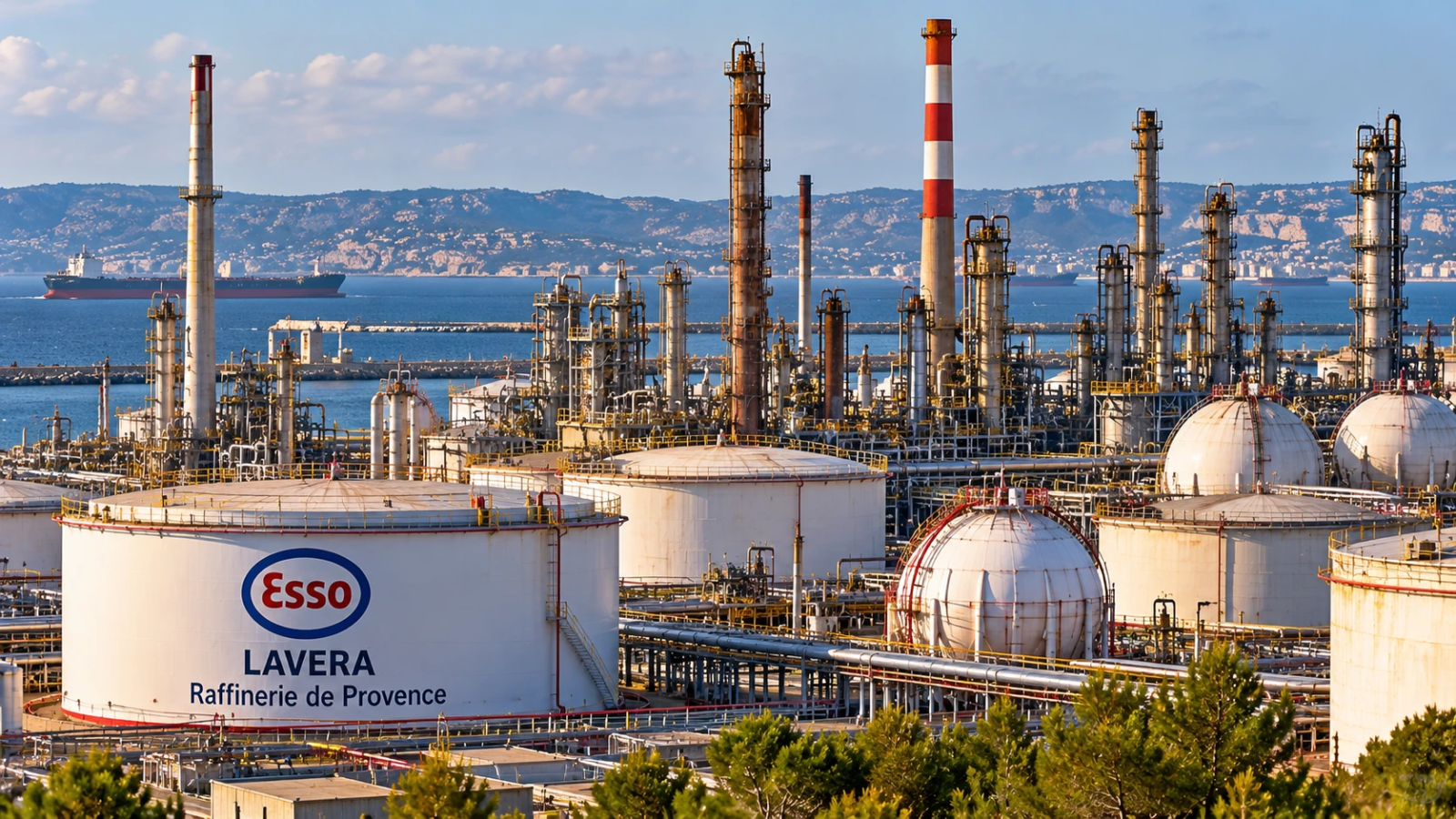
PARIS — The Group of Seven (G7) nations have agreed to release 100 million barrels of crude oil, diesel and other petroleum products from emergency reserves in a coordinated effort to ease pressure on global energy markets.
The decision was taken on Friday, Oct. 2, following mounting pressure from US President Donald Trump for European countries to release fuel from their stockpiles. The release will be coordinated through the International Energy Agency (IEA) and will begin immediately, continuing over a four-month period.
Under the agreement, G7 members and their partners will front-load a substantial volume of diesel within the first 20 days. The exact breakdown between crude oil and diesel has not yet been specified. The IEA will also convene discussions in the coming days on whether additional diesel supplies are needed.
The G7 — comprising the United States, Britain, Canada, France, Germany, Italy and Japan — also reaffirmed a commitment to refrain from imposing energy export restrictions among member countries. The leaders urged other energy producers to avoid measures that could further intensify market tensions.
The move comes as global energy markets face severe pressure, particularly in diesel supplies. IEA Executive Director Fatih Birol told G7 leaders that the impact of the Strait of Hormuz crisis remained acute, while disruptions to refined-product flows had tightened diesel markets and pushed prices higher.
Trump had repeatedly urged Europe to release its fuel reserves and had threatened restrictions on US diesel exports if European countries failed to act. The G7 agreement came after Trump held discussions with French President Emmanuel Macron and other G7 leaders over rising fuel prices and supply concerns.
The G7 said the measures are intended to stabilise immediate energy supplies, protect households and businesses from price shocks and strengthen the resilience of global energy markets. The IEA has been asked to monitor the implementation and assess the impact of the measures.


COMMENTS