
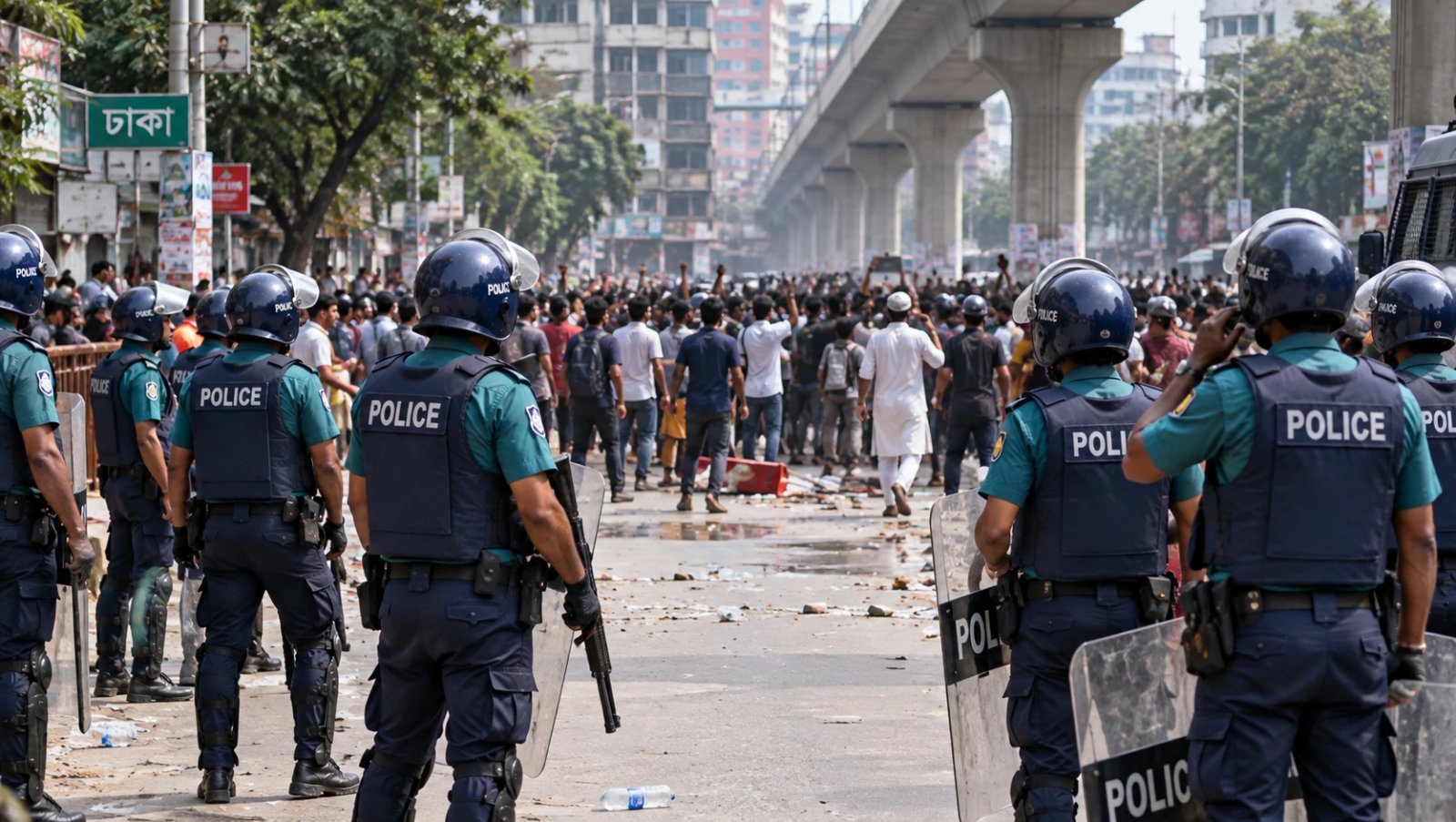
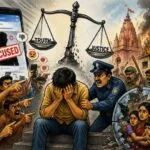
Rather than stabilizing following the political transition, the breakdown of law enforcement and the criminal justice system has led to widespread lawlessness, where mob lynchings, political reprisal, and state inaction are becoming normalized.
Key Systemic Issues under the Current Administration
1. Persistence of Targeted Harassment and Arbitrary Arrests
The practice of detaining individuals based solely on actual or alleged affiliation with the Bangladesh Awami League has continued unabated. Ordinary citizens, local business owners, and low-level political workers face mass lawsuits filed against hundreds of unnamed accused in First Information Reports, leaving anyone vulnerable to sudden arrest. Furthermore, the label is frequently used by political rivals and local actors to justify land grabbing, extortion, business takeovers, and physical assault. Merely invoking party ties has become a tool to legitimize arbitrary detentions and extrajudicial actions.
2. Mob Violence and Lynchings in the Presence of Law Enforcement
Human rights monitoring bodies, including Odhikar and the Human Rights Support Society, continue to record dozens of mob killings and lynchings monthly. These incidents stem from a near-total collapse of public trust in formal legal mechanisms. A critical concern highlighted by rights observers is the frequent passivity or outright presence of police officers during mob attacks. Fearing political backlash, physical harm, or acting under partisan pressure, law enforcement personnel regularly fail to intervene, effectively granting impunity to violent crowds.
3. Deprivation of Basic Civil Rights and Daily Life
The fundamental rights guaranteed under the Constitution, including the right to work, conduct trade, access education, and walk safely in public, are routinely compromised for anyone suspected of past regime ties or facing political rivalry. Independent reports confirm that political violence now includes widespread internal factional clashes, territorial control disputes, and extortion drives, further destabilizing everyday public life.
Human Rights Framework and Demands for Accountability
Under the International Covenant on Civil and Political Rights, Bangladesh is obligated to guarantee due process, protection against arbitrary arrest, and equal protection under the law for every citizen, regardless of political affiliation. When state security forces stand by during mob justice or extrajudicial violence, the state directly violates its legal duty to protect the right to life. Domestic and international human rights organizations urge the government to re-establish police authority, end mass blank-check lawsuits, hold perpetrators of mob violence accountable, and restore due process to prevent complete institutional decay.


COMMENTS