
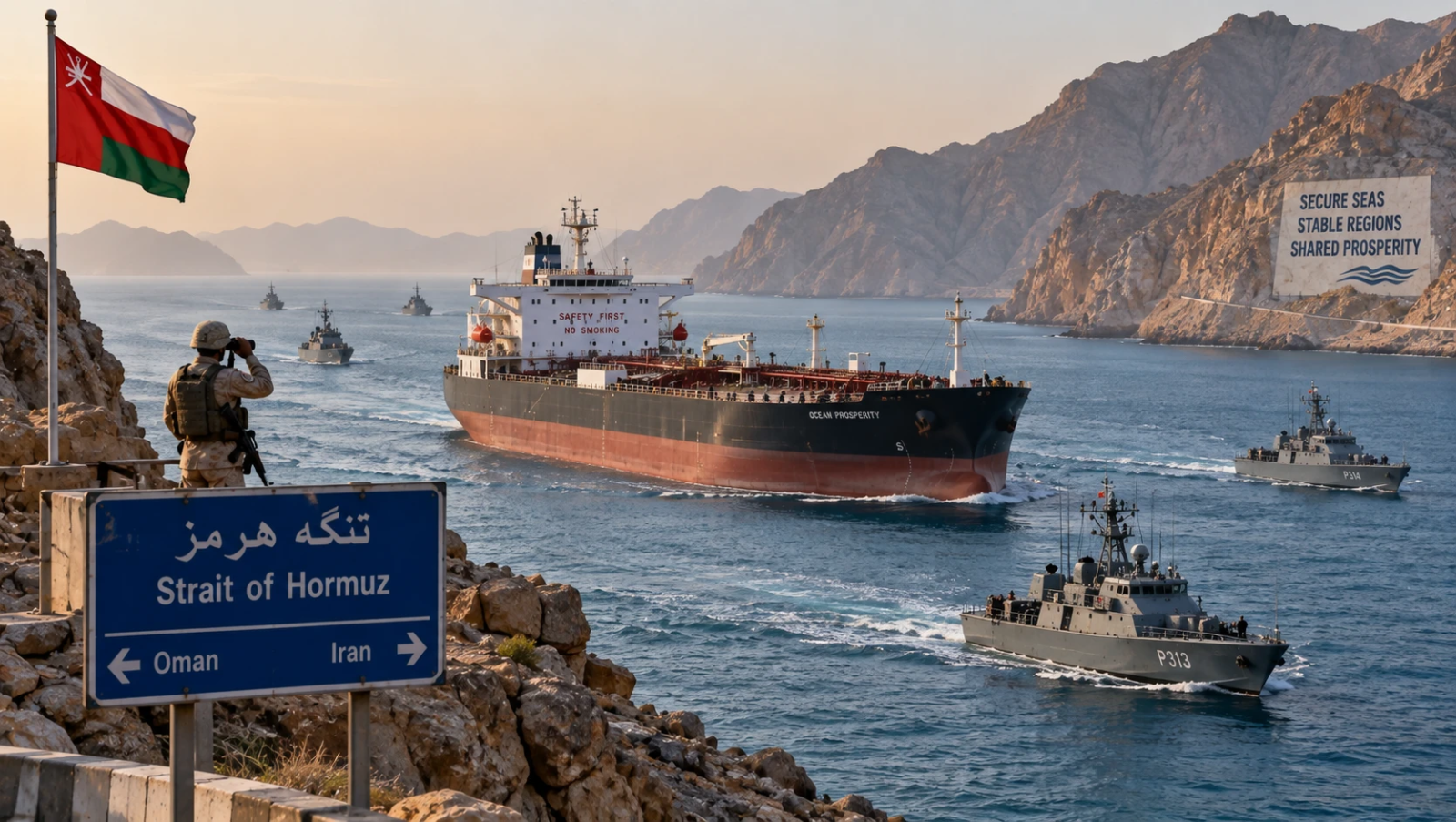
Shipping traffic through the strategically important Strait of Hormuz has fallen sharply amid escalating tensions in the Middle East, according to vessel-tracking data published Monday.
Only 12 cargo vessels were recorded passing through the strait over the latest weekend, compared with 35 vessels during the previous weekend. The decline comes amid an ongoing standoff between the United States and Iran.
The Strait of Hormuz is one of the world’s most important maritime routes, serving as a key transit point for oil and gas exports from the Middle East. Before the war began, roughly one-fifth of global oil and liquefied natural gas (LNG) supplies passed through the waterway.
However, publicly identifiable vessel traffic through the strait has now nearly come to a halt, with only a small number of ships being tracked. Despite the decline in visible shipping activity, oil-producing countries in the region continue to export crude.
Tracking vessels has also become more difficult because many tankers have switched off their Automatic Identification System (AIS), a system normally used to publicly track a ship’s location and movement.
According to preliminary data from analytics firm Kpler, four vessels whose positions could be identified passed through the Strait of Hormuz on Sunday. Two were carrying refined petroleum products, while the other two were empty vessels—one cargo ship and one gas carrier.
Two additional small oil tankers entered the Gulf region on the same day. On Saturday, several vessels were also observed moving through the area. Five ships left the Gulf carrying agricultural commodities, liquefied petroleum gas (LPG) and fertilizer.
A large gas carrier also entered the Gulf on Saturday while sailing empty.
Before the war between the United States, Israel and Iran began on February 28, an average of around 125 large commercial vessels passed through the Strait of Hormuz each day. These included oil tankers, gas carriers, bulk cargo vessels and container ships.
The sharp reduction in identifiable traffic highlights the impact that the ongoing conflict and regional tensions are having on one of the world’s most important energy shipping routes.



COMMENTS