
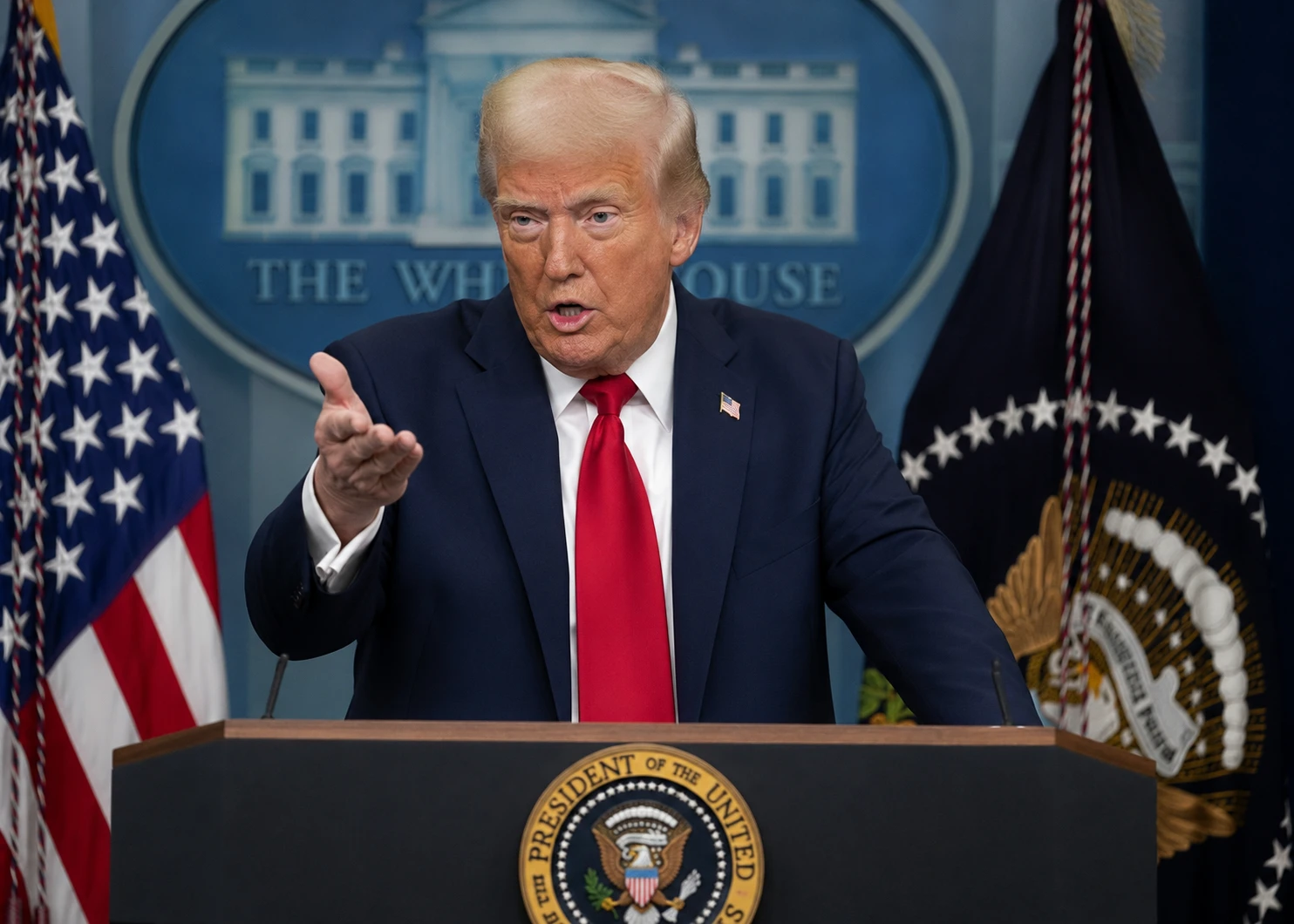
Washington, 19 August – US President Donald Trump has sent a blunt message to Washington’s allies: countries that refuse to support the United States on key foreign-policy issues should not expect special treatment elsewhere.
The approach has become increasingly visible during the Iran conflict, with Trump expressing growing frustration toward allies that have declined to directly support the US campaign or have sought to remain on the sidelines.
South Korea is the latest unexpected target. On Sunday, Trump reportedly ordered the Pentagon to significantly scale back the annual US-South Korea military exercise, Ulchi Freedom Shield. He cited the cost of the drills and his claim of having a “very good relationship” with North Korean leader Kim Jong Un.
The exercise has long been a central element of the US-South Korean deterrence strategy against nuclear-armed North Korea.
Trump said on Truth Social that he had recently asked South Korea’s president to join the US campaign to achieve the “denuclearization” of Iran, but Seoul had responded, “No, thank you!”
Speaking to reporters on Monday, Trump said the United States could not continue protecting countries that were unwilling to support Washington when it needed their assistance.
European allies have also increasingly faced pressure from the Trump administration. According to a Bloomberg report, the Pentagon has sent NATO allies a questionnaire as part of a broader review of whether US troops should remain deployed around the world or be withdrawn.
The questionnaire reportedly seeks information about allies’ support for US military operations, purchases of American weapons and, in particular, their alignment with the Trump administration’s foreign policy.
Germany has also faced consequences after Chancellor Friedrich Merz publicly criticized Trump’s Iran strategy. The Pentagon reportedly moved in May to withdraw around 5,000 US troops from Germany.
Spain faced a threat of a complete halt to trade with the United States after Madrid refused to allow its bases to be used for US military operations against Iran. A Pentagon official later reportedly suggested temporarily suspending Spain from NATO.
Even Oman, a longstanding US partner that has played a mediating role in efforts to resolve the Strait of Hormuz crisis, has come under Trump’s criticism. On Monday, Trump threatened Oman with severe consequences if he believed the country was obstructing a final agreement with Iran.
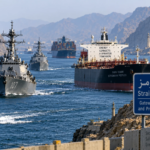
The developments also highlight growing pressure on US military resources. The United States has been unable to restore normal operations through the strategically vital Strait of Hormuz despite months of military and economic pressure.
At the same time, the US Navy has reportedly shifted aircraft-carrier deployments in the western Pacific, underscoring the strain created by Washington’s military commitments in multiple regions.
White House spokesperson Anna Kelly defended the administration’s approach, saying Trump had restored US prestige on the world stage and achieved what she described as major diplomatic and security successes.
She also stressed that Trump would not accept what he considers unfair treatment of the United States and would seek diplomatic relationships based on reciprocity and equal burden-sharing.
However, critics argue that the increasingly transactional approach could weaken America’s traditional alliance network. If allies become uncertain about whether Washington will support them during a crisis, they may increasingly seek alternative security and diplomatic arrangements.
Trump’s policy is therefore creating a new calculation for US allies: supporting Washington may bring benefits, but disagreement with the president could carry consequences well beyond the immediate issue.
COMMENTS