
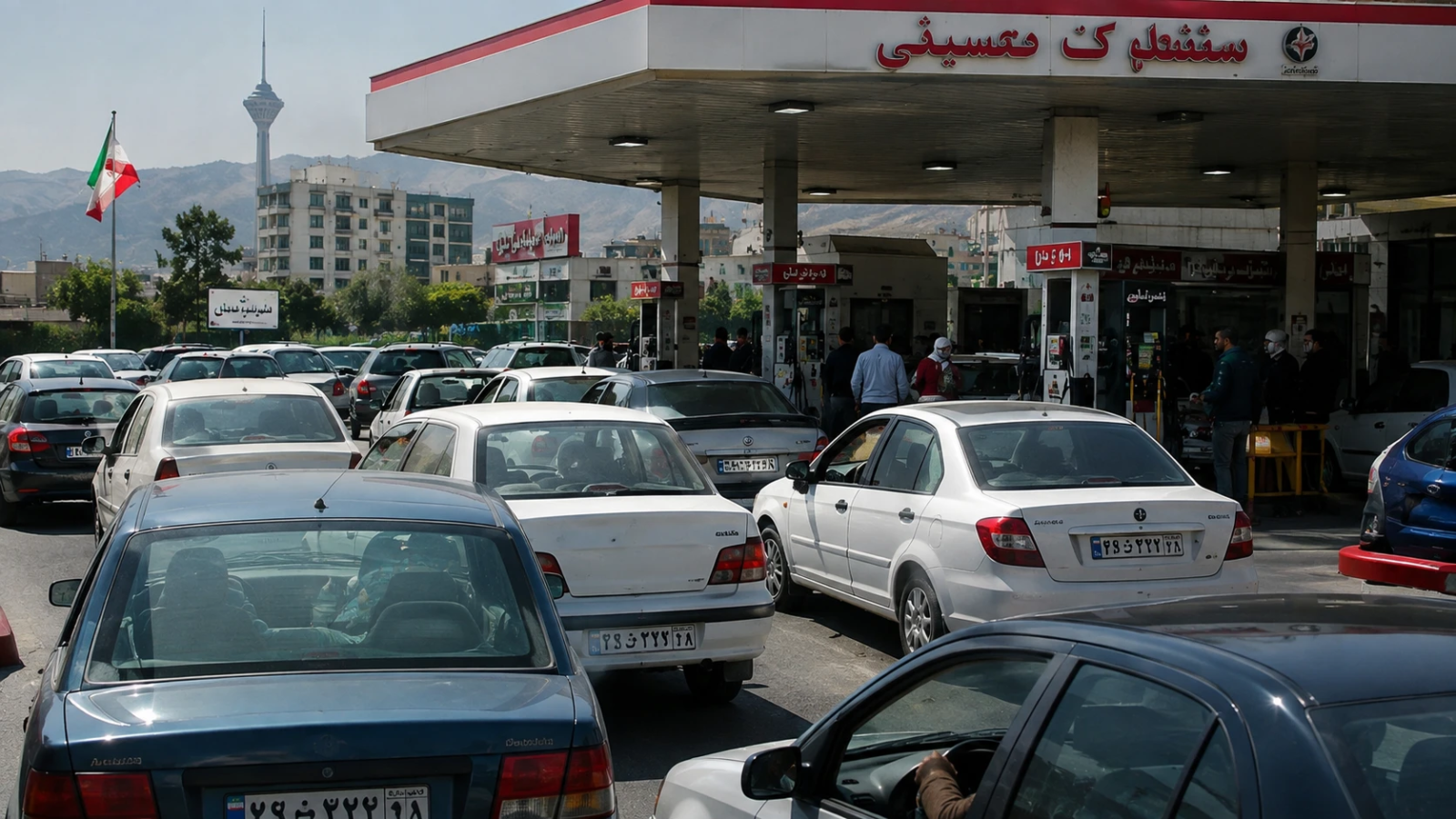
Tehran – Iran is preparing the public for a possible increase in fuel prices as the government struggles to contain mounting economic pressures caused by US sanctions, the war and a deepening fuel shortage.
The warning comes as the Iranian rial has fallen to a record low of around 2 million to the US dollar on Tehran’s open market. The International Monetary Fund has forecast that Iran’s gross domestic product could shrink by 5.4 percent in 2026.
President Masoud Pezeshkian said his government was attempting to protect people from further economic hardship but was facing growing pressure from what he described as hostile actions against the country.
Pezeshkian said the government spends about 1.3 million rials to produce a litre of petrol at refineries, while the cheapest subsidised petrol is sold to consumers for just 15,000 rials per litre. Other subsidised rates stand at 30,000 and 50,000 rials.
Iran currently consumes around 135 million litres of fuel a day while producing approximately 121 million litres, leaving a daily shortfall. The government is seeking to increase refinery output and dilute fuel with chemical additives, while fuel imports have been halted amid the war.
Officials have outlined several options to address the crisis. These include maintaining current prices but shutting petrol stations once their stocks run out, providing every citizen with a monthly 30-litre fuel allocation that could be traded, or fully liberalising petrol prices to around 872,000 rials per litre.
A full price liberalisation, however, could sharply increase transport costs and fuel inflation, potentially worsening the country’s already severe cost-of-living crisis.
Iran previously faced widespread protests after a petrol price increase in 2019. Fuel prices were also adjusted shortly before protests erupted in January 2026, making the government cautious about implementing another major increase.
A pilot project to introduce the highest fuel price in Kerman province was reportedly cancelled at the last moment. First Vice President Mohammad-Reza Aref has suggested that the government could retain a minimum 60-litre quota while gradually changing or liberalising prices at higher consumption levels.
The pressure is already being felt by Iranian households. According to July data from Iran’s Statistics Center, consumer prices rose 88 percent year on year, while food prices increased by more than 128 percent.
Residents have warned that a fuel price increase would push up the cost of transportation and basic goods. One Tehran shop worker said the government often compared Iran’s fuel prices with those in other countries without considering differences in wages, housing costs and other living expenses.
A driver also warned that higher petrol prices would increase the cost of almost everything, saying Iranians were already struggling under the burden of high inflation.





COMMENTS