
A dramatic and deeply troubling scene unfolded inside Bangladesh’s International Crimes Tribunal-1 (ICT-1) on 23 November 2025, raising fresh concerns about the tribunal’s credibility and the safety of those who appear before it.
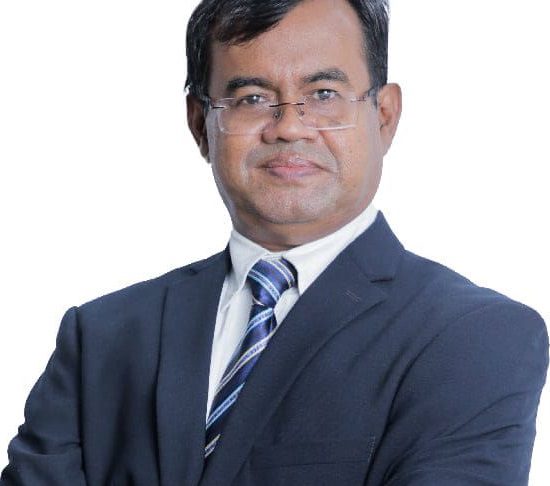
During a routine hearing, the Chief Prosecutor Mr. Tajul Islam openly shouted at and threatened advocate Ms. Nazneen Nahar, the counsel for Major General (retd.) Ziaul Ahsan, one of the accused currently facing proceedings before the court.
The confrontation began when Nahar informed the court that she had been barred from attending her client’s interrogation. Under Bangladeshi law, an accused has the right to consult a lawyer from the moment of arrest. Instead of responding to what is clearly a constitutional concern, the Chief Prosecutor told her to remain silent and warned that she could also be made an accused. Many in the courtroom were stunned.
Senior lawyers, journalists and legal observers present said they could not recall another moment in the country’s judicial history where a state prosecutor openly threatened a defense lawyer for carrying out her professional responsibilities.
Mr. Tajul Islam himself once appeared as defense counsel for several convicted war criminals during earlier tribunal proceedings, and never faced the slightest threat of prosecution for representing clients who were both widely reviled and politically sensitive.
A Growing Crisis of Legal Rights Legal Rights:
Under Bangladesh’s Constitution, as well as international human rights standards, no lawyer may be intimidated, harassed or threatened simply for defending an accused person. Informing the court of a rights violation, filing an application or raising an objection is part of a lawyer’s professional duty. For such actions, they cannot lawfully be treated as suspects.
The restriction placed on Nahar is itself a breach of constitutional guarantees. Article 33 of the Constitution affirms the right of every detainee to consult a lawyer of their own choice from the moment of arrest. Yet the International Crimes Tribunal has frequently been criticized for denying defense lawyers access to clients, limiting their role during interrogation and curtailing their access to crucial case materials. The public threat issued in this case has intensified concerns that the tribunal’s procedures fail to meet even the minimum standards required by law.
Intimidation Undermines Fair Trial Rights:
Human rights groups and legal experts have long argued that intimidation of defense lawyers erodes the very basis of a fair trial. A justice system cannot function if lawyers fear reprisals for performing their duties. When a prosecutor threatens to turn a defense counsel into an accused, the adversarial balance collapses.
This latest incident adds to the perception that the International Crimes Tribunal, originally established to deliver justice for the atrocities of 1971, is increasingly vulnerable to political influence and institutional pressure.
Bangladesh’s Legal Protections Are Clear:
The legal rights of the accused in Bangladesh are well established. These include the right to protection of law, due process, personal liberty, freedom from arbitrary arrest, the presumption of innocence, access to counsel, open and fair hearings, protection from torture and the right to bail where appropriate.
Defense lawyers too enjoy strong legal protections. They are entitled to meet their clients, review evidence, file motions, cross examine witnesses and act independently without interference or fear of retaliation. Any obstruction of these rights is unlawful.
International Obligations Strengthen These Guarantees:
Bangladesh is a signatory to the International Covenant on Civil and Political Rights and the Convention Against Torture. These treaties require the state to ensure access to legal counsel, protection from coercion, public hearings, fair procedures and the right to appeal. International principles governing the role of lawyers also make it clear that legal professionals must not be associated with the causes of their clients and must be free to act without intimidation.
The incident of 23 November is a direct violation of these obligations.
A Deeply Alarming Sign for the Judiciary and Rule of Law:
What happened inside the tribunal is no ordinary courtroom exchange. It represents a deeper institutional risk, where the independence of the legal profession is weakened and constitutional safeguards are disregarded. If defense lawyers can be threatened in broad daylight, with judges and officers of the court watching, it raises an alarming question about the safety of the accused and the integrity of the justice system.
Bangladesh frequently emphasizes its commitment to accountability and rule of law. Yet this episode suggests a troubling gap between rhetoric and reality. When the defense counsel herself becomes vulnerable simply for representing her client, the principle of justice stands on fragile ground.
The International Crimes Tribunal now faces a moment of reckoning. It must either take decisive steps to restore confidence in its procedures or risk reinforcing the belief that its commitment to fairness is steadily slipping away.
Writer: Parvez Hashem, Lawyer and Human Rights Activist


