
Christians in Bangladesh have faced escalating violence and intimidation since the military- and Islamist-backed interim government led by Nobel laureate Muhammad Yunus took power following the ouster of Sheikh Hasina on 5 August 2024. Other minority groups, including religious, ethnic and those with differing viewpoints, have also been affected. The recent wave of attacks has drawn international attention and concern from the head of the Catholic Church.
Although Christians are a small minority of around 500,000 in a country of nearly 170 million, they have increasingly become targets of communal violence. Homes, shops and places of worship have been looted, vandalized or set on fire. Schools run by Christian organizations have suffered damage, and staff face threats and discrimination. Converts to Christianity from Muslim, Hindu and ethnic minority backgrounds have experienced harassment, attacks and social exclusion.
The violence has continued into 2025. In October and November crude homemade bombs were hurled at Christian sites in Dhaka. On 8 October a bomb exploded at the gate of Holy Rosary Catholic Church, one of the oldest churches in the city. On 7 November a bomb detonated near St Mary’s Cathedral while a second device was found on the church grounds. The following night a bomb exploded inside St Joseph’s Higher Secondary School and College, a well-known Christian institution. Although no casualties were reported, the psychological impact on the community has been severe, with many living in constant fear.
Authorities arrested a 28-year-old suspect reportedly linked to a banned student political group. Investigations are ongoing and security around churches and Christian institutions has been increased. Religious leaders warn that these attacks are part of a wider pattern of hostility, intimidation and property destruction against Christians. According to the Bangladesh Hindu Buddhist Christian Unity Council, more than 2,400 incidents of communal violence affecting minority groups were recorded between August 2024 and June 2025.
Adding to the concern, just before Christmas 2025, the Tripura Christian community in the Chittagong Hill Tracts faced another violent attack. Reports indicate that homes and community centers were vandalized and several families were forced to flee. Indigenous Christians in remote areas feel increasingly vulnerable due to delayed government protection.
The Bawm, a small Christian Indigenous community in the Chittagong Hill Tracts of Bangladesh, is facing a severe campaign of repression that is tearing families apart and emptying villages. Security operations, mass arrests, deaths in custody, and sweeping “anti insurgency” measures have blurred any distinction between civilians and militants, turning everyday life into a struggle for sheer survival. In places like Bethel Para in Bandarban, villagers were rounded up in a joint operation on 8 April 2024 and many, including women, elders and children, were taken away, with over twenty Bawm women and several very young children still behind bars a year later.
Archbishop Bejoy N. D’Cruze of Dhaka described the attacks as extremely alarming and urged the government to take immediate steps to protect Christians and prosecute the perpetrators.
The wave of violence comes amid political upheaval in the country. Christians fear that such threats are becoming normalized and that religiously motivated violence could weaken pluralism, the rule of law and trust in public institutions. The attacks raise serious questions about the safety and future of minority communities in Bangladesh.
Internationally, the Pope and global Christian leaders have expressed deep concern. Pope Leo XIV reminded the world that Christians in several countries, including Bangladesh, face serious threats. His message has sparked wide discussion and serves as a reminder of the challenges religious minorities face in the country.
Minority communities in Bangladesh live with constant vulnerability. Attacks on places of worship, intimidation and social exclusion are frequent, and victims often remain silent out of fear of retaliation or delays in justice. This growing insecurity weakens the promise of equal rights enshrined in the constitution.
Bangladesh has a long history of cultural and religious harmony. However, the growing pressure on minority groups shows that harmony cannot survive without active protection and accountability. Every citizen deserves the freedom to practice their faith without fear. When any community is targeted, the social fabric of the entire nation is threatened.
The Pope’s call for prayers is important, but it is equally a call for action. Authorities must ensure the safety, justice and dignity of all vulnerable groups. The interim government faces an urgent need to act decisively. Protecting religious communities, prosecuting perpetrators and strengthening security at vulnerable sites are essential to prevent further escalation. Failure to do so risks deepening fear and division, undermining social cohesion and Bangladesh’s international reputation.
Christians across the country continue to pray for safety while demanding justice and equality. The world watches as Bangladesh confronts a challenge that is both moral and political, demanding protection for its most vulnerable citizens. Violence against Bangladesh’s Christian community is not random; it persists because mobs attacking minorities act with political protection and near total impunity. When the state fails to stop these assaults and instead shields or encourages those responsible, it sends a clear message that minorities’ lives, homes and churches are expendable. Until the government makes it costly to organize or tolerate such attacks through swift investigations, fair trials and visible support for vulnerable communities, the cycle of fear and flight will only deepen. Ending this crisis demands political courage: to stand up to majoritarian mobs, uphold the rule of law and affirm that every citizen, regardless of faith, has an equal place in Bangladesh.
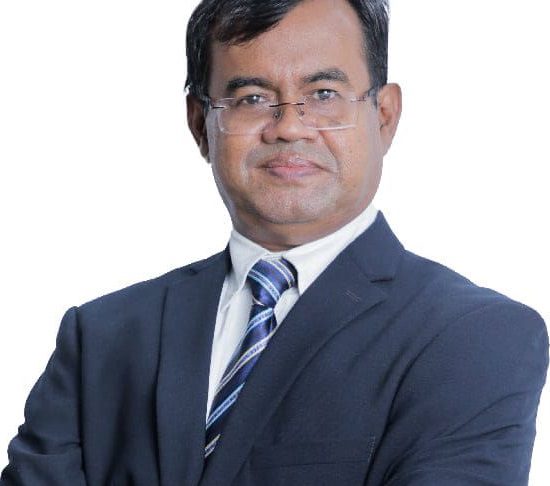
Writer: Parvez Hashem, Lawyer and Human Rights Activist


