
DHAKA — Bangladesh’s interim government has been shaken by explosive allegations against Professor Dr. Ali Riaz, the head of the Constitution Reform Commission and Special Assistant to Chief Adviser Dr. Muhammad Yunus, after a woman publicly accused him of exploiting her emotionally, coercing her into a sexual relationship under false pretenses of marriage, impregnating her, and then forcing her into an abortion through intimidation and manipulation.
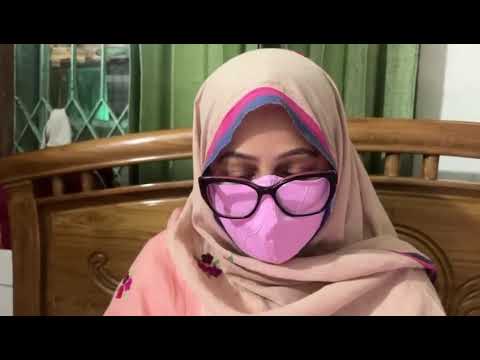
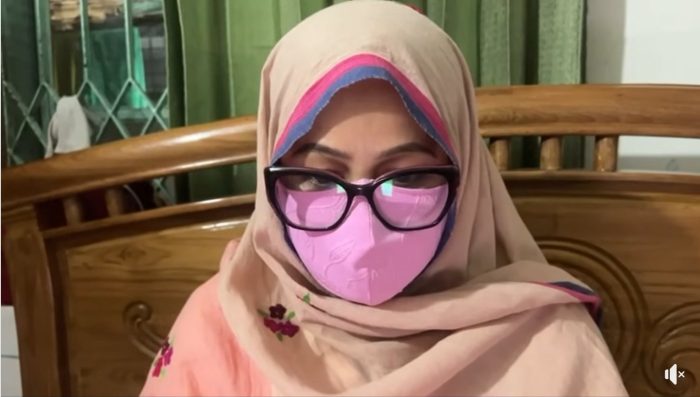
The woman, poet and writer Atandranū Ripa, made the allegations in a video that went viral across social media on Tuesday, prompting intense national debate, condemnation from women’s rights advocates, and growing concern about abuses of power inside the interim administration.
The allegations come just weeks after a separate newspaper report raised questions about Riaz’s personal conduct involving another woman, and at a time when the Yunus government is facing criticism for failing to uphold due process in several politically sensitive cases.
The Viral Video Allegations
In her emotional video statement, a visibly distressed Ripa stated that Ali Riaz initiated an intimate relationship with her by promising marriage and a new life together in the United States. According to her account, Riaz assured her that he had undergone a vasectomy — a claim that falsely suggested pregnancy was impossible and removed the need for contraception.
“On his assurance, I trusted him. I believed him. That is how the relationship started,” she said.
Ripa alleges that when she later discovered she was pregnant, Riaz abruptly withdrew contact.
According to her account, Riaz then instructed his longtime companion, Dilruba Sharmin, to pressure her into terminating the pregnancy. In the video, Ripa alleges that she was told:
- “If the Awami League returns to power, the situation will worsen, Ali Riaz will be in danger.”
- “Do not keep the baby now. Later, when you go to America, you can have a child.”
Frightened and increasingly isolated, Ripa says she was taken to Gonoshasthaya Kendra in Dhanmondi, where she was forced to undergo an abortion under duress — an experience she described as traumatic and coercive.
“After that, he cut all contact with me. Then people began threatening me… threatening to abduct me, kill me. I am running for my life,” she says in the video.
Hospital Declines Details, Citing Privacy
When contacted, officials at Gonoshasthaya Kendra Hospital declined to confirm or deny the abortion, citing patient confidentiality. They clarified that women often use pseudonyms when seeking sensitive medical procedures.
Their refusal has added further complexity to verifying the details of Ripa’s account, but has not reduced public outrage.
Mounting Public Reactions and Social Media Firestorm
The allegations have sparked profound concern across Bangladesh’s intellectual, activist, and media circles.
Overnight, the video triggered:
- widespread condemnation of sexual exploitation,
- debates over abuse of power by influential men,
- and renewed criticism of the interim administration’s handling of justice and accountability.
Prominent journalists, writers, and academics have questioned how a senior figure tasked with rewriting the nation’s constitution could be accused of wrongdoing of such magnitude.
One commentator wrote: “If he can deceive and endanger one woman in private, how can 180 million citizens trust him with the constitution?”
Earlier Allegations Resurface
The scandal deepens against the backdrop of a recent Daily Inqilab report alleging extramarital involvement between Ali Riaz and a woman named Dilruba, with whom he was reportedly seen at multiple resorts. Those allegations stemmed from claims made by expatriate journalist Najmus Saqib, who previously accused Riaz of similar conduct while he was living in the UK.
Riaz did not respond publicly to those earlier accusations, nor has he issued a formal rebuttal of Tuesday’s viral allegations.
Government’s Reaction: Denial and Threat of Action
Late Wednesday, the Chief Adviser’s Press Wing issued a statement on Riaz’s behalf. The administration described Ripa’s video as:
- “false, fabricated, baseless”
- “an attempt at character assassination”
The government asserted that it was “monitoring the matter closely” and hinted at possible action.
Ali Riaz, through the Press Wing, stated:
- He does not know the woman,
- he never had any communication or relationship with her,
- and the allegations are “purposefully spread with malicious intent.”
But Questions of Power Imbalance Persist
Women’s rights advocates argue that even if some details remain contested, Ripa’s consistent and detailed allegations reflect a deeply familiar pattern of exploitation — where influential men use promises of marriage, professional support, or immigration opportunities to initiate relationships, only to later abandon the women involved.
A Dhaka-based gender violence researcher, speaking anonymously, said: “Her testimony speaks to structural vulnerability. When a man in power offers the world, and then turns coercive, women suffer silently. Her courage to speak publicly is extraordinary.”
A Crisis of Credibility for the Interim Government
The controversy strikes at a sensitive political moment. Ali Riaz is currently overseeing a high-stakes constitutional reform process, giving him sweeping influence over the country’s future governance structure.
For many citizens, the scandal highlights deeper anxieties about:
- lack of transparency in the Yunus administration,
- erosion of rule of law,
- increasing targeted attacks on dissenting voices, and
- the rise of intimidation tactics against critics.
A Victim Seeking Safety
In the final moments of her video, Ripa pleads for protection: “I appeal to the people of Bangladesh, to the State — please ensure my safety. My life is in danger.”
Her words, trembling with fear, have resonated widely, raising urgent concerns about whether a woman who alleges abuse by a high-ranking state official can receive justice, protection, or even a fair hearing.
Unanswered Questions
As of the time of writing:
- Ali Riaz has offered no personal statement,
- the interim government has not announced any independent inquiry,
- and it remains unknown if police have taken steps to locate or protect Ripa — who says she is now in hiding.
The unfolding controversy will likely test:
- the interim government’s commitment to women’s rights,
- its stated principles of justice and integrity,
- and public confidence in its ability to conduct fair and transparent governance.
For now, Bangladesh watches closely as a frightened woman’s testimony challenges the moral legitimacy of one of the most powerful figures in the country’s current political transition.


