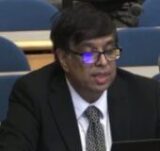

Washington, D.C., June 19, 2025 — U.S. President Donald Trump is set to meet Pakistan’s Chief of Army Staff General Asim Munir in a high-profile engagement that comes just days after the Biden administration reportedly denied Munir an invitation to the annual U.S. military parade, signaling deepening divisions in Washington over engagement with Islamabad.General Munir, who arrived in the United States this week, is also expected to hold meetings with U.S. Secretary of State Marco Rubio and Defense Secretary Pete Hegseth, according to diplomatic sources familiar with the visit.The timing of Munir’s meetings is critical, as the region faces mounting instability due to the rapidly intensifying conflict between Israel and Iran. With Pakistan sharing a 900-kilometer border with Iran, the country’s strategic location has once again drawn the attention of U.S. military planners and diplomatic officials.“Pakistan’s position as a frontline state — bordering Iran and Afghanistan — is not just geographic; it’s geopolitical,” said a senior analyst at the Center for Strategic and International Studies. “If the U.S. becomes more directly involved in the Iran-Israel conflict, Pakistan’s cooperation or resistance could shape regional outcomes.”Trump’s decision to engage with Munir despite the snub from the Biden administration is likely to fuel speculation about backchannel diplomacy and alternative strategic alignments. While Trump currently holds no formal office, his influence over U.S. foreign policy discourse — and his potential return to the presidency — makes the meeting symbolically significant.Neither the Pentagon nor the State Department has officially confirmed the meeting schedule, though security analysts have noted increased activity surrounding Pakistan’s embassy in Washington.General Munir’s visit also comes at a time when Islamabad faces growing criticism over its internal human rights record and its controversial balancing act between U.S. interests, Chinese investments, and historical ties with Iran and the Gulf states.With tensions escalating across the Middle East, Pakistan’s evolving stance — and its quiet diplomacy with both Washington and Tehran — could prove decisive in the weeks ahead.