
Bangladesh is facing mounting pressure over subsidies in the power and energy sector, with the government releasing around 26,000 crore taka—nearly 60 percent of the annual allocation for electricity and liquefied natural gas (LNG)—during just the first two months of the 2026–27 fiscal year.
According to data from the Finance Ministry cited in a report, the government allocated 48,000 crore taka for electricity and LNG subsidies for the entire fiscal year. Of this amount, 26,000 crore taka was released in July and August, leaving 22,000 crore taka for the remaining 10 months.
The electricity sector was allocated 37,000 crore taka for the year, of which 15,000 crore taka had already been released in the first two months.
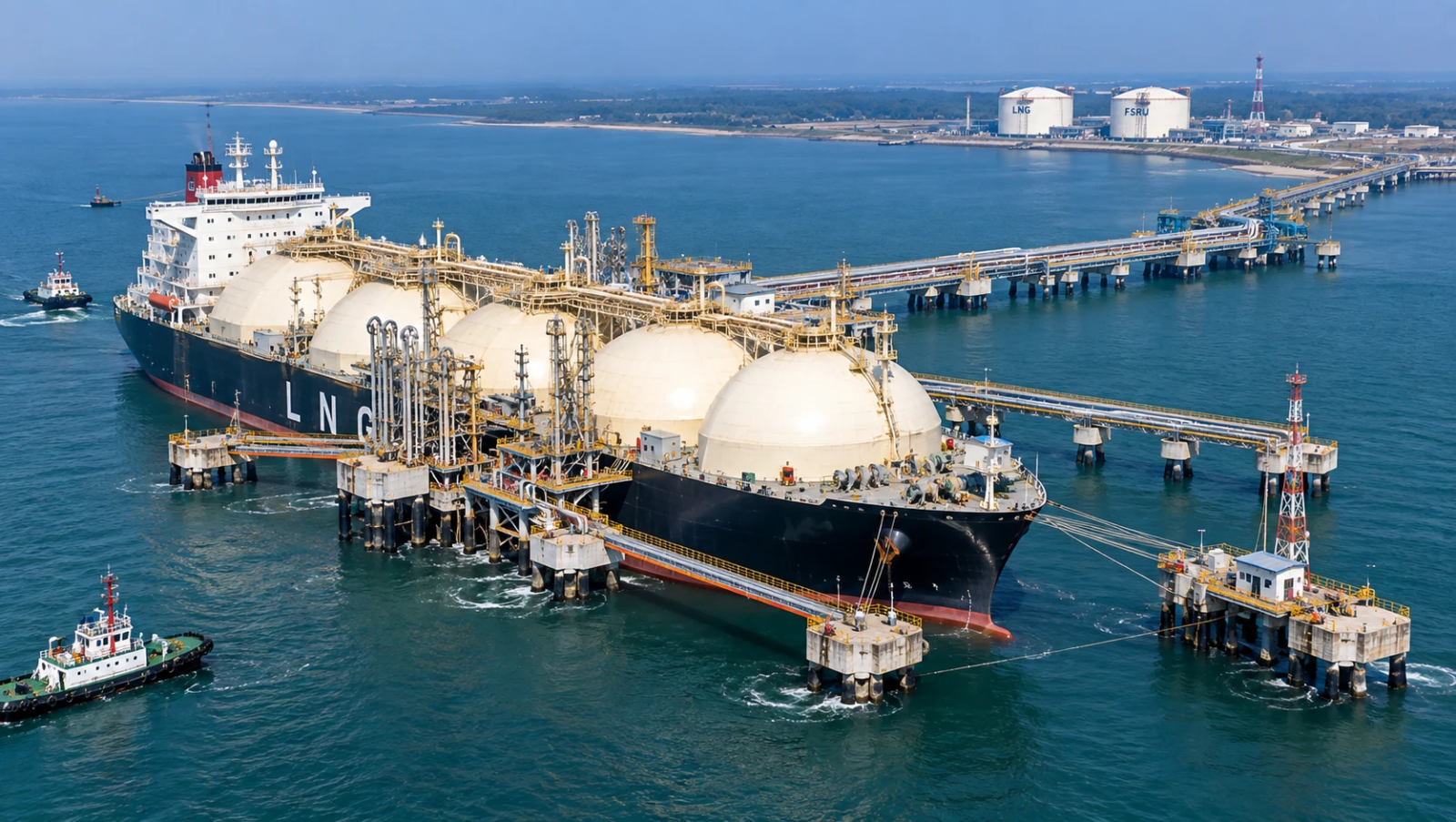
The situation is more acute in the LNG sector. Against an annual allocation of 6,000 crore taka, the government spent about 11,000 crore taka during July and August, creating a reported shortfall of 5,000 crore taka at the beginning of the fiscal year.
The additional LNG expenditure has been linked to purchases from the international spot market at higher prices, amid insufficient supplies under long-term contracts.
On September 21, the government released another 5,000 crore taka following a demand from the Power Division. The money is intended to clear outstanding payments to 94 domestic and international power plants, according to the report.
The subsidy pressure has raised concerns about how the government will finance power and energy costs over the remaining months of the fiscal year.
The International Monetary Fund (IMF) has been pressing Bangladesh to reduce subsidies in the power and energy sectors. However, sharply reducing subsidies or increasing energy prices could put additional pressure on low- and middle-income households and potentially affect inflation and production costs.
Economist Shah Md Ahsan Habib said simply increasing electricity and gas prices or eliminating subsidies would not provide a sustainable solution, arguing that support remains important for low-income households, agriculture and industry.
Towfiqul Islam Khan, additional research director at the Centre for Policy Dialogue (CPD), attributed the underlying problems to systemic inefficiencies, corruption and losses in the power and gas distribution systems. He argued that reducing waste and irregularities could save significant public funds.
Officials at the Finance Ministry have also stressed the need for independent audits of power plants and distribution systems to establish actual costs and strengthen oversight.
The figures have intensified debate over whether Bangladesh can maintain its current subsidy structure while managing rising energy costs and fiscal pressures during the remainder of the 2026–27 financial year.





COMMENTS