
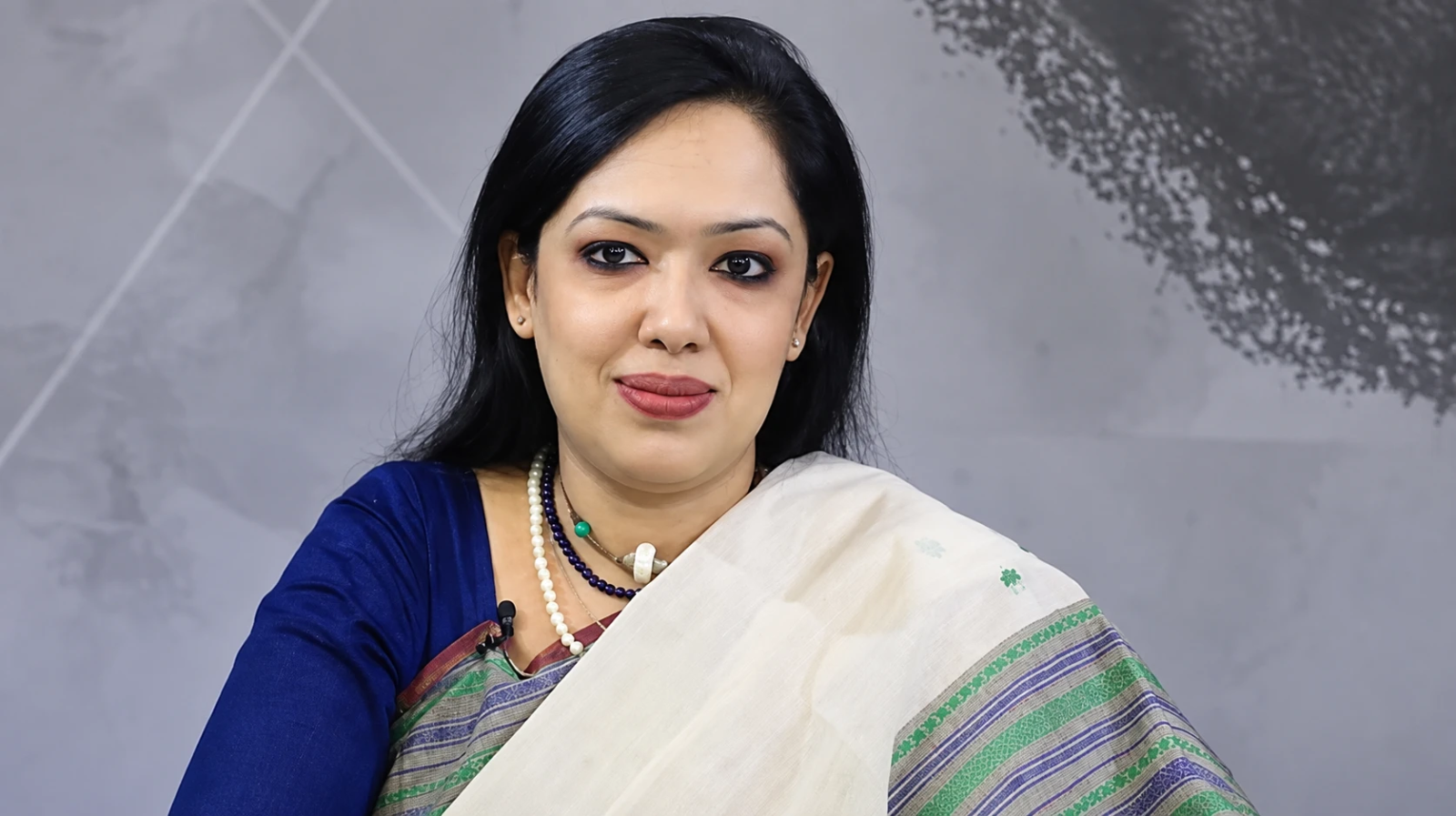
Independent lawmaker Rumeen Farhana has said Bangladesh cannot expect to avoid shortages of electricity, gas and fertiliser if the Bangladesh Nationalist Party (BNP) returns to power, while also accusing the party of presiding over widespread corruption and loan defaults in the past.
Farhana, an elected independent MP from Brahmanbaria-2, made the remarks while speaking on a proposal to seek public opinion on a bill during the third session of the 13th Jatiya Sangsad on Wednesday night.
“Every government has a character. If the BNP comes to power, it cannot be that there will be no gas or electricity crisis,” she said.
She also referred to past shortages of agricultural fertiliser, saying poor farmers could again face difficulties in obtaining supplies.
“BNP coming to power and Bangladesh not becoming a champion in corruption—that too is not possible,” Farhana said. She further alleged that the country could again see a rise in loan defaults under a BNP government.
Farhana also criticised what she described as an increasingly intolerant atmosphere in parliament, comparing the conduct of BNP lawmakers with that of lawmakers during the Awami League’s previous tenure.
“The parliament has become so intolerant that it feels as though we have returned to the Awami League era,” she said, adding that lawmakers from the Awami League had also disrupted proceedings when she criticised them.
Her remarks triggered protests and commotion from the treasury benches. Deputy Speaker Kaisar Kamal repeatedly called for order.
Farhana also alleged that many lawmakers in the current parliament were known as loan defaulters and criticised the practice of seeking court intervention to have names removed from loan-default lists ahead of elections.
She said such practices had been witnessed repeatedly in the past, alleging that candidates often sought to clear their names from default lists shortly before elections.
When her allotted two-minute speaking time expired, Farhana’s microphone was switched off. She continued speaking without a microphone, prompting further commotion in the chamber.
The deputy speaker made several further appeals for order and later drew the attention of the chief whip of the treasury benches.
Addressing the chief whip, Kamal said every lawmaker had the liberty to express their views and that other members should not obstruct a speaker.
“You will have your turn, and you can rebut her arguments then,” he said, stressing that preventing a lawmaker from speaking was not compatible with democratic parliamentary pradebate



COMMENTS