
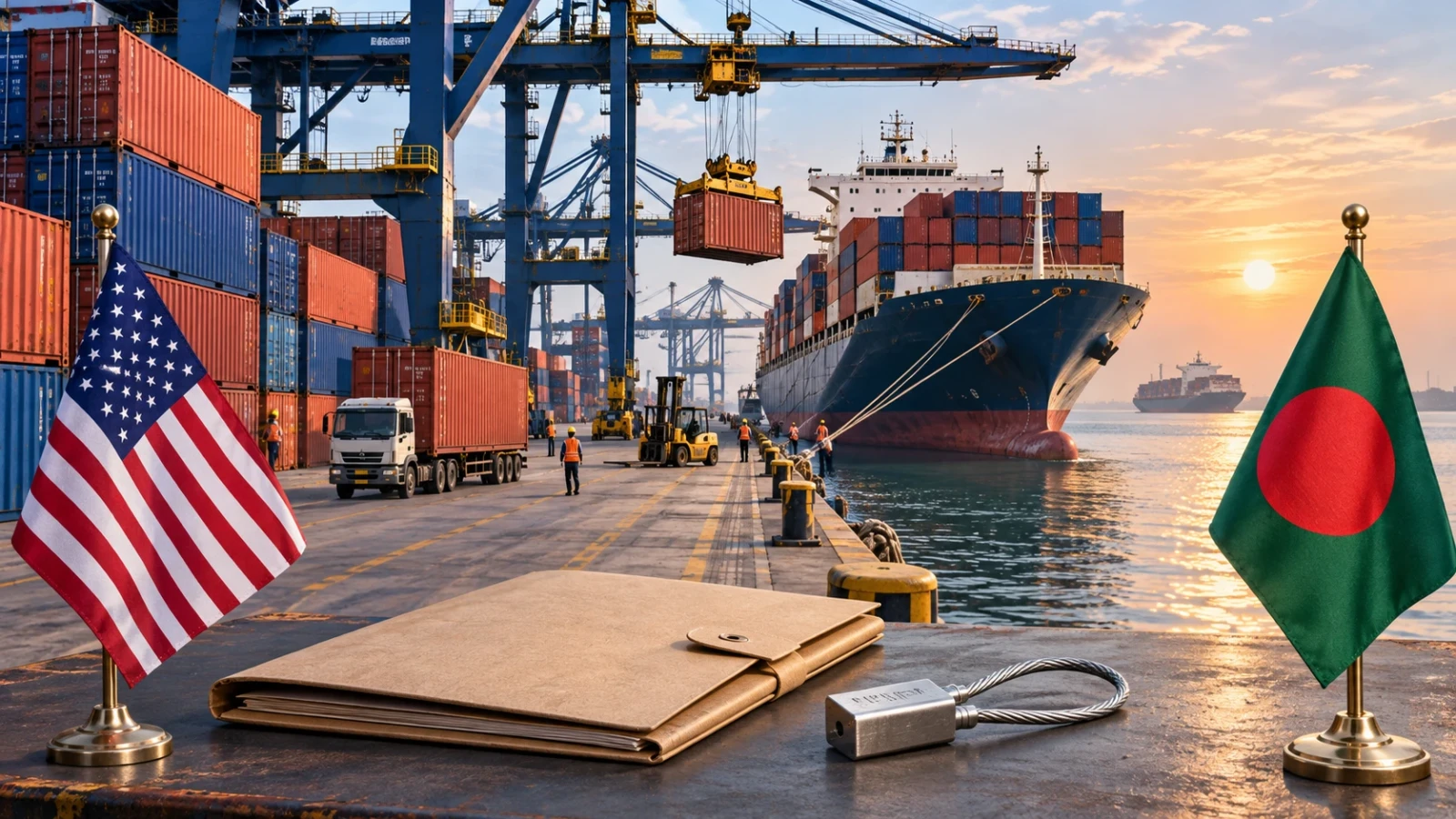
The United States is preparing to announce the findings of an investigation into alleged excess industrial production capacity involving 16 major trading partners, including Bangladesh. The findings could pave the way for new import tariffs on goods from the countries concerned.
The Trump administration was expected to release the investigation results on Tuesday afternoon, local time, according to three sources familiar with the matter, Reuters reported.
The Office of the United States Trade Representative (USTR) may propose separate tariff rates for individual countries. Any new duties would be added to tariffs already in place. However, Mexico and Norway are unlikely to face immediate additional tariffs, one source said.
16 Countries and the EU Under Investigation
The investigation was launched under Section 301 of the US Trade Act of 1974. The countries and trading partners under scrutiny include Bangladesh, China, India, Japan, South Korea, Mexico, Vietnam, Taiwan, Thailand, Malaysia, Indonesia, Switzerland, Norway, Singapore, Cambodia and the European Union.
The White House is reportedly considering maintaining tariff ceilings established under existing trade agreements. These include a maximum tariff rate of 15 percent on goods from the European Union, Japan and South Korea, and 19 percent on Malaysian products.
The administration may also retain the maximum 20 percent tariff imposed on Chinese goods during Trump’s second term. However, tariffs on Chinese products could increase further if the US-China trade truce, scheduled to expire on January 10, is not extended.
Tariffs Could Reach 25 Percent
Ryan Majerus, a former US Commerce Department official, believes the investigation could recommend separate tariff measures for all 16 trading partners.
According to Majerus, the administration may propose tariffs ranging from 15 to 25 percent on products from various sectors in countries accused of maintaining excess industrial capacity. These duties would be imposed on top of existing tariffs.
Alternatively, Washington could initially propose lower tariff rates while introducing conditions for gradual increases if the countries fail to take steps to reduce excess production capacity.
China Accused of Flooding Global Markets
The United States has accused China of creating excess industrial capacity that has resulted in an oversupply of products such as steel, aluminium, electric vehicles, household appliances and solar energy equipment in global markets.
China has rejected the allegations, arguing that its exports reflect the country’s competitive manufacturing capabilities.
The investigation also covers Chinese investments in Southeast Asian countries, particularly Vietnam, Indonesia and Cambodia. Washington alleges that Chinese companies are manufacturing goods in these countries to bypass existing US tariffs and gain access to the American market.
Separate Investigations Could Reshape Trump’s Tariff Policy
In March, the USTR launched the investigation into industrial overcapacity. At the same time, Washington initiated a separate investigation into weaknesses in the enforcement of laws against forced labour in 59 countries and the European Union.
Through these investigations, the Trump administration aims to rebuild its so-called ‘Liberation Day’ tariff framework, some elements of which were struck down by the US Supreme Court in February.
Reuters also reported that Trump’s tariff policies have contributed to higher consumer prices in the United States.
A Reuters/Ipsos poll conducted after the November midterm elections found that 62 percent of respondents supported efforts to roll back tariffs.
For Bangladesh, the proposed measures could create additional uncertainty for exporters seeking to maintain access to the US market, particularly if new duties are imposed on key export products.






COMMENTS