
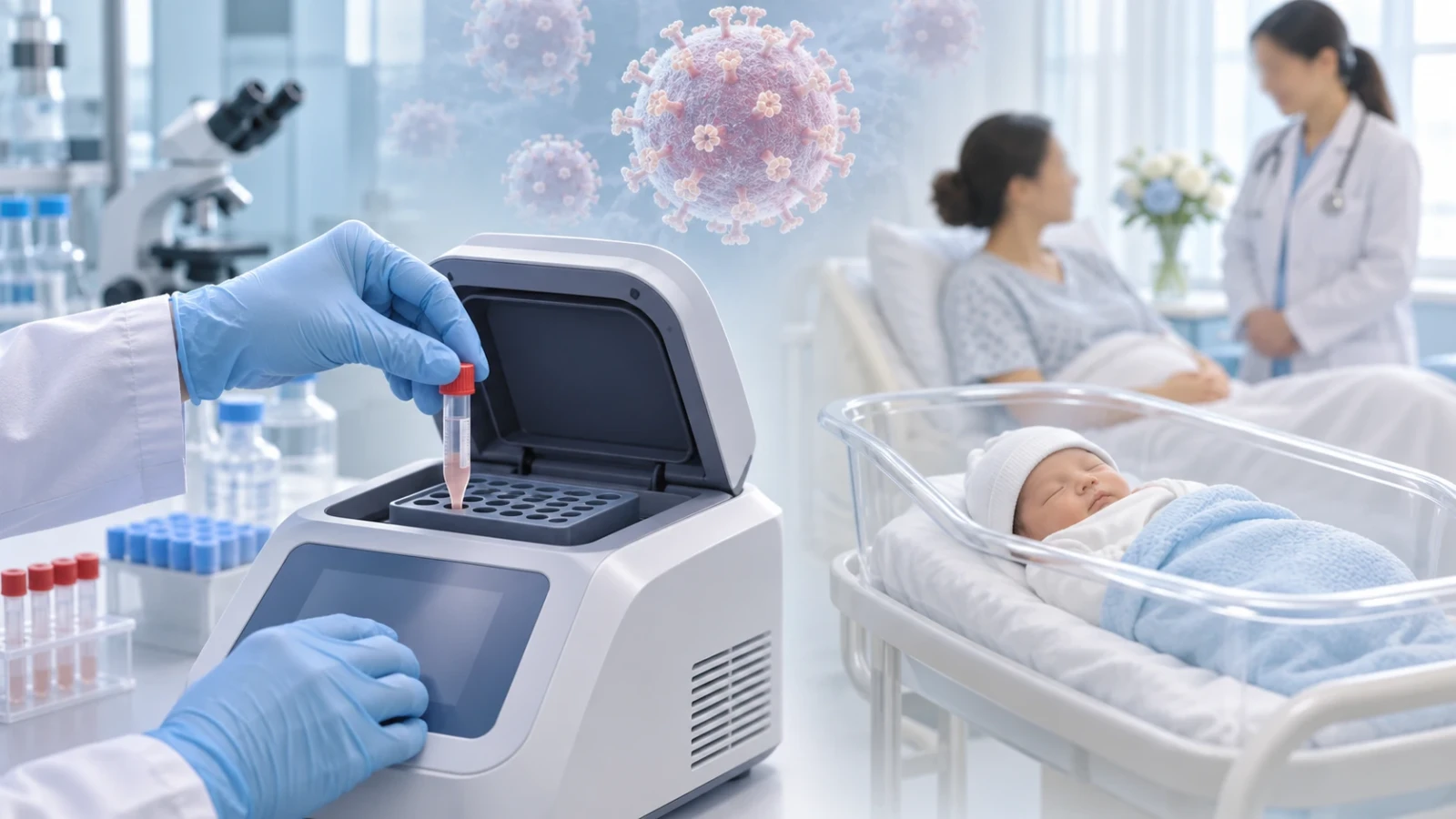
Thirteen newborn babies in the United States have been found to have measles infections acquired in the womb after their mothers contracted the disease during pregnancy, according to a recent study.
The findings, published on November 16 in NEJM Evidence, cover the period from January 2025 to September 2026, during which 112 pregnant women were diagnosed with measles. Of them, 13 babies were confirmed to have congenital measles infections shortly after birth.
The study found that 110 of the 112 women had either not received measles vaccinations or had no documented vaccination history.
Among the infected women, 26 were hospitalised for reasons unrelated to childbirth. Eleven developed pneumonia, two experienced respiratory complications, and one required admission to an intensive care unit (ICU).
Researchers also documented 21 pregnancy outcomes within 14 days of the onset of measles symptoms in mothers. Two pregnancies ended in miscarriage, while eight babies were born prematurely. Another eight newborns required admission to neonatal intensive care units.
Of the 16 babies tested within 10 days of birth, 13 tested positive for measles through polymerase chain reaction (PCR) testing.
AL Calls Countrywide Shutdown; Security Tightened Amid Fears of December Unrest
Congenital measles refers to an infection transmitted from an infected mother to her unborn baby during pregnancy, with evidence of infection detected shortly after birth. A positive PCR test within 10 days of birth, or the development of fever and rash during that period, may indicate congenital measles.
However, the United States does not yet have a nationally established surveillance definition for the condition.
Risks for Mothers and Newborns
Medical experts warn that measles during pregnancy can increase the risk of serious complications, including maternal pneumonia, miscarriage, stillbirth, premature delivery and low birth weight.
Newborns may also develop fever, rash, jaundice, pneumonia and neurological complications.
Doctors Sabine Kapasi and Aishwarya R. noted that the virus can cross the placenta, allowing infection to spread from the mother to the developing baby.
Experts Urge Vaccination Before Pregnancy
Healthcare professionals recommend that women planning to become pregnant review their vaccination history and immunity against measles.
According to Dr Kapasi, women who need protection should receive the measles, mumps and rubella (MMR) vaccine before pregnancy.
As the MMR vaccine contains live but weakened viruses, it is not recommended during pregnancy. Women are generally advised to wait at least 28 days after vaccination before attempting to conceive.
Pregnant women who have been exposed to someone with measles should seek medical advice promptly.
Depending on the level and timing of exposure, doctors may consider administering immunoglobulin (IG) to provide temporary antibody protection.
Experts stress that the MMR vaccine should not be administered during pregnancy.
They emphasise that protecting mothers through vaccination and preventive healthcare is essential to safeguarding the next generation, as preventing measles infection is far safer than managing its potentially serious complications during pregnancy.






COMMENTS