
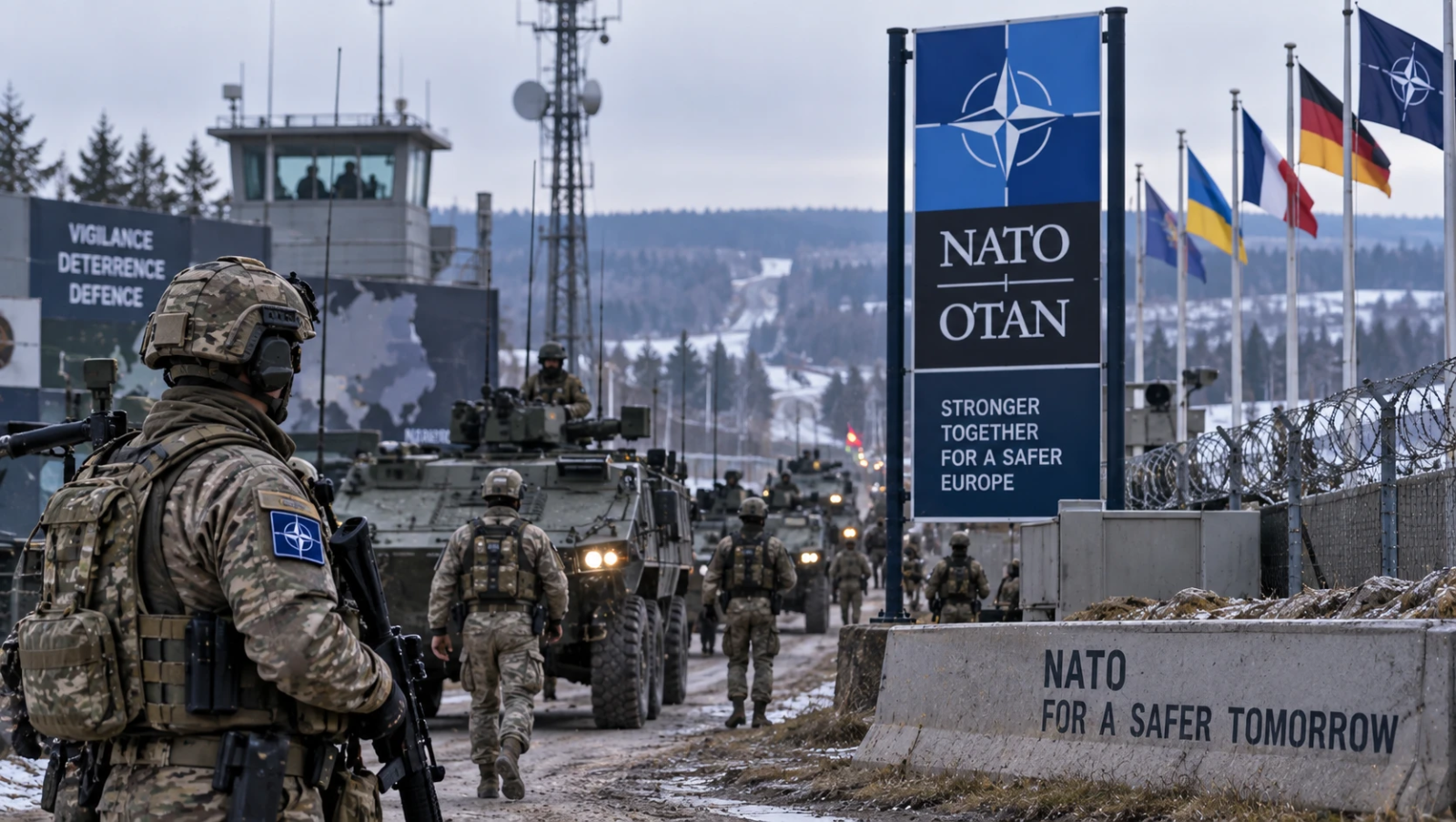
Polish Prime Minister Donald Tusk told parliament that Russia could seek to test how effectively NATO’s Article 5 — the alliance’s collective-defence provision — would work in practice. French President Emmanuel Macron described Tusk’s assessment as specific and evidence-based.
In separate interviews with The Guardian, several European intelligence chiefs discussed the potential risks. Michal Koudelka, head of the Czech Security Information Service, said Russia could use drone operations or a small-scale military incursion or provocative action along NATO’s eastern flank.
Koudelka said such a scenario could emerge within the next few months. He suggested that Moscow might seek to create a sufficiently serious crisis to pressure European countries into reducing or ending their support for Ukraine.
Intelligence officials in the Baltic states, however, struck a more cautious tone. Normunds Mezviets, director general of Latvia’s State Security Service, said there was currently no clear evidence of an imminent direct attack, although he believed Moscow was preparing for a major move in Europe.
Mezviets said it remained unclear whether Russia had a specific operational plan or was primarily seeking to create fear and uncertainty in Western societies.
Estonian Foreign Ministry Secretary Jonatan Vseviov also urged the public to remain calm amid growing speculation about possible attacks.
Meanwhile, Thomas Nilsson, head of Sweden’s military intelligence service, said Russian sabotage activity across Europe had increased significantly. He described the recent incident involving an armed drone at Leipzig Airport in Germany as a potential “gamechanger.”
Mezviets also said Moscow appeared to be moving beyond isolated acts of sabotage and increasingly targeting Western defence industries and rail networks involved in supporting Ukraine.
The Kremlin has rejected speculation that Russia is preparing an attack against NATO. Kremlin spokesman Dmitry Peskov said such claims had no connection with Russia’s intentions or reality.
European officials nevertheless remain cautious, citing Russia’s denials before its full-scale invasion of Ukraine in 2022. Intelligence chiefs in Sweden and Latvia agreed that, regardless of how the broader situation develops, Russian sabotage activities in Europe could intensify in the coming months.





COMMENTS